At the height of summer, Cantabria hovers around 21-24°C at its highest, against the 35°C-plus that's typical in southern Spain. July and August are the region's driest, most stable months, with an especially good window between late July and the first week of September.
July and August have a bad reputation across much of Spain: heatwaves, sleepless nights, beaches packed before ten in the morning. In Cantabria, summer plays a different game. This isn't a tourism marketing promise — it's what the region's own temperature data has shown for decades, and it's what anyone who's spent an August here after fleeing the heat elsewhere in Spain will tell you.
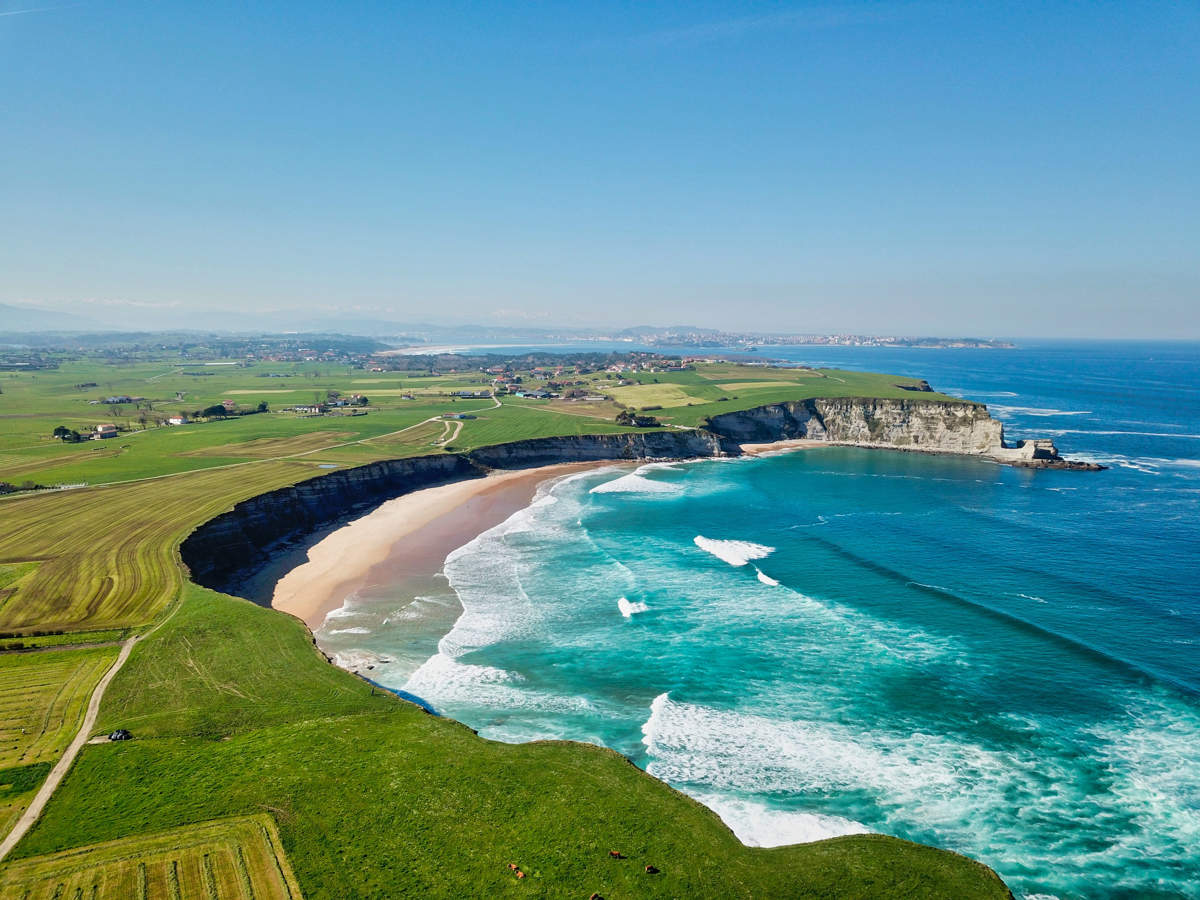
That doesn't mean it never gets hot here, or that the north is free of surprises: summer 2025 brought the odd day of exceptional heat to the Cantabrian coast too, with warnings that used to be rare in the area. But that's exactly what they are — exceptions that make headlines precisely because they're not the norm. The normal pattern for July and August in Cantabria is different, and it's worth knowing before deciding where to spend the summer or where to look for a second home.
How hot Cantabria's summer really gets
According to climate data gathered by Turismo de Cantabria and several weather portals, July in Cantabria moves between a regional average low of 17°C and a high of 21°C, with the coast running a bit milder thanks to the sea. In Santander, where the bay softens temperatures even further, the August average sits around 20,5°C and July and August highs tend to stay close to 24°C. Those are numbers you can appreciate for a walk, lunch on a sunny terrace, or a midday hike without feeling overwhelmed — something that's simply not on the table in much of Spain in the middle of August.
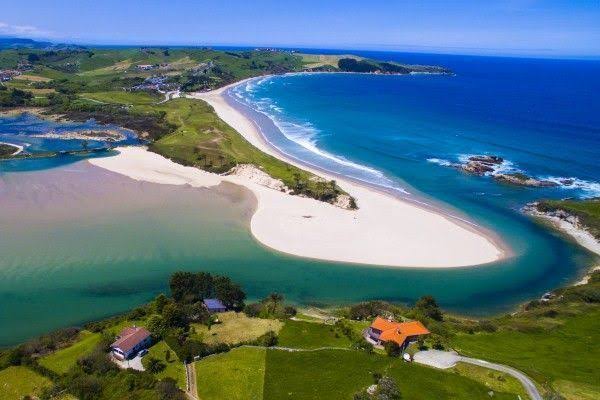
Cantabria's summer climate versus the rest of Spain
The difference really stands out when you compare it to the south. In Seville, around 60% of July and August days go above 35°C at their peak — something that practically never happens in Cantabria in a normal summer. That's why more and more families who used to travel to the Mediterranean in the middle of August are starting to look toward the Cantabrian coast instead: the same vacation month, but without needing to shut themselves indoors between two and six in the afternoon or plan the whole day around the air conditioning.
The perfect window: from mid-July to September
Cantabria's summer doesn't arrive all at once. On the coast, it really kicks in from mid-July, when the dry northeasterly winds that bring the driest, calmest weather of the year settle in. From there, according to the area's historical records, there are roughly three genuinely good weeks: the last week of July, the second or third week of August, and the first week of September, by which point the sea has warmed up from the previous weeks' heat and the beaches empty out fast as soon as the holiday month ends for most people. If you have flexibility with your dates, that final stretch of late August into early September tends to be the most rewarding: the same good weather, far fewer people, and somewhat lower accommodation prices.
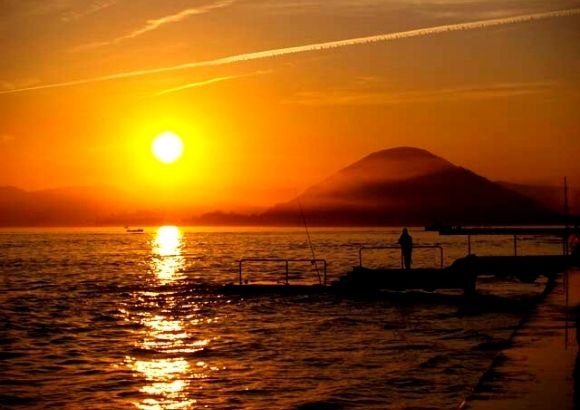
What to do with this climate near Bareyo
A summer climate this stable makes it much easier to plan any outdoor activity without depending so much on the day's forecast. A hiking route, a morning at the beach, and a long lunch on a terrace are all perfectly compatible on the same day — something that's much harder to pull off elsewhere in Spain in the middle of August without the midday heat ruining it. If you also want to avoid the busiest hours and days, we've put together a complete guide to getting around Cantabria in summer without the crowds, with schedules and lesser-known alternatives so you're not relying only on the most popular beaches.
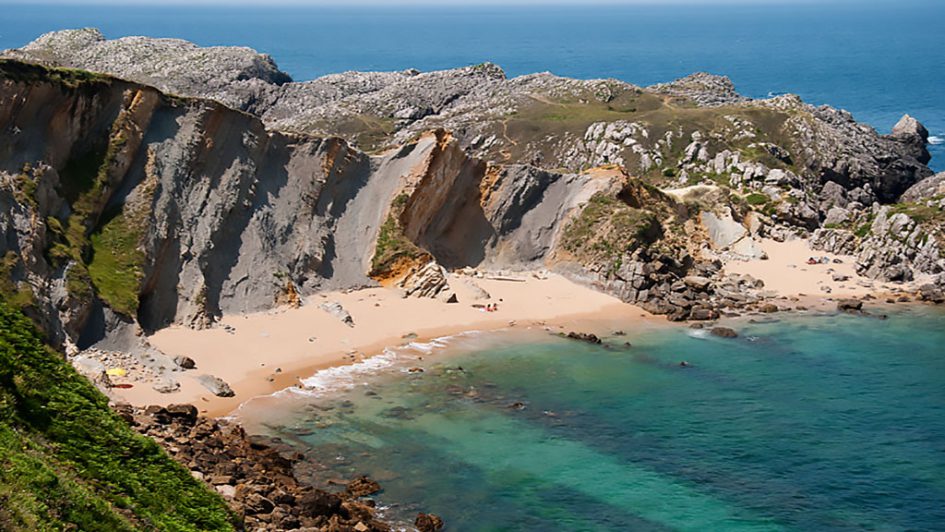
What you need to know
What you need to know: July and August are the driest months of the year in Cantabria, but it's worth always packing a long-sleeved layer for the evenings, which cool down noticeably more than in the south. The sea water tends to be more pleasant from the second half of August onward, once it's had time to warm up. And although Cantabria's summer is much milder than the rest of Spain's, on the odd hotter day it's still worth taking the usual precautions: shade during the central hours, water, and sun protection, especially if you're traveling with children or older adults.
“Summer in Cantabria doesn't promise empty beaches all through August, but it does promise you won't be sweating through the heat.”
This kind of climate is, along with the landscape, one of the underlying reasons why more and more people are looking for a second home on the Cantabrian coast instead of the Mediterranean, where summers have become increasingly hard to bear. Bareyo Residences is being built precisely on that stretch of coast where summer is enjoyed without the swelter, with deliveries planned from September 2027.