The most authentic things to buy in Cantabria are edible: Santoña anchovies, sobaos and quesadas from the Pas valleys, cheeses with a protected designation of origin (Picón Bejes-Tresviso, Quesucos de Liébana and Queso Nata de Cantabria), Liébana honey and orujo from Liébana. If you're after something you can't eat, wooden albarcas are the traditional souvenir.
As Christmas gets closer, or simply at the end of a few days on the coast, the usual question comes up: what to take home. In Cantabria the answer is hardly ever in a souvenir shop full of magnets and T-shirts; it's in a bakery, an anchovy cannery or a market stall. The region has a small but very recognisable larder, and many of its products carry an official seal that guarantees where they come from.
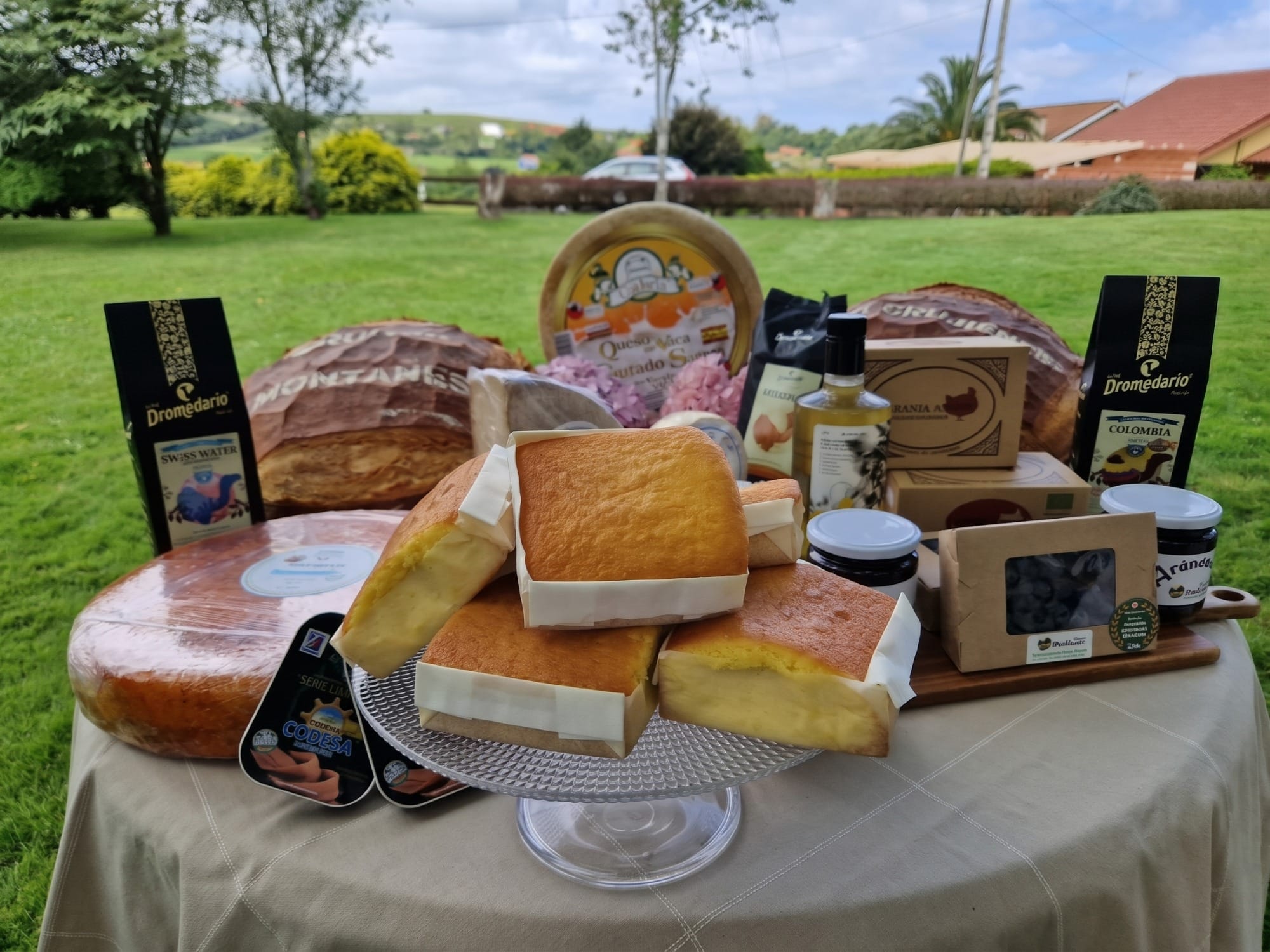
This list focuses on what travels well and impresses whoever receives it, with tips on labels and transport, which is where things tend to go wrong.
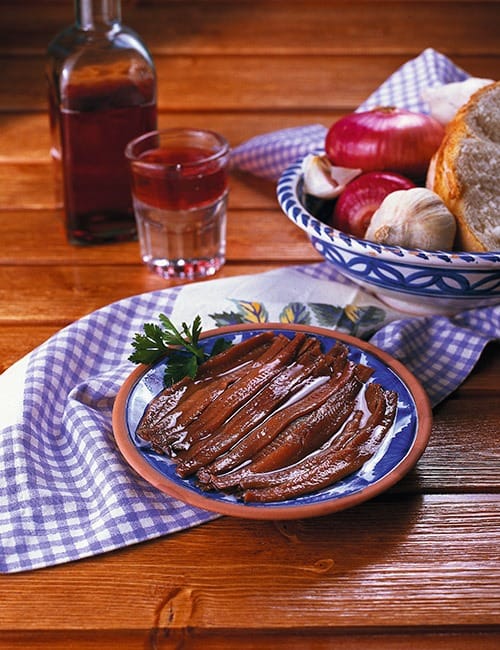
Santoña anchovies: the gift that travels furthest
If you have to pick just one product, make it anchovies. Santoña, about twenty minutes from Bareyo, is the benchmark for salt-cured anchovies filleted by hand, and its canneries sell tins and jars in different sizes that fit in any suitcase. A good one stands out for the thickness of the fillet and the balance of salt. A practical detail many people don't know: anchovies in oil are a semi-preserve, not a true preserve, and must be kept cold. If your journey home is long, ask the shop to pack them for the trip and put them in the fridge as soon as you arrive.
Sobaos and quesadas pasiegas: what to look for on the label
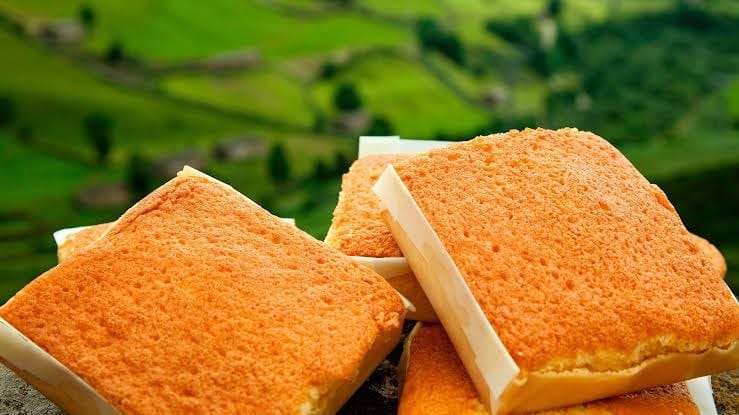
The two great sweets of the Pas valleys behave very differently on a journey. The sobao, made with butter, sugar, egg and flour, keeps well for several days and has Protected Geographical Indication status: look for the Sobao Pasiego seal on the packaging if you want to be sure it comes from the area and follows the traditional recipe. The quesada, made from curdled milk, is more delicate and best eaten soon, so it works better as a gift for someone you'll see within a day or two. You'll find both in the bakeries of Vega de Pas, Selaya and Villacarriedo.
Cantabria's cheeses with protected designation of origin
Cantabria has three cheeses with Protected Designation of Origin, and each suits a different kind of gift. Picón Bejes-Tresviso, an intense blue matured in caves in the Picos de Europa, is for people who love strong flavours. Quesucos de Liébana, small and often smoked, are easy to carry and to share. Queso Nata de Cantabria, mild and buttery, pleases almost everyone, children included. For a car journey an insulated bag is enough; if you're flying, ask for them to be vacuum-packed, because the smell of picón won't go unnoticed in a suitcase.
From Liébana: honey and orujo
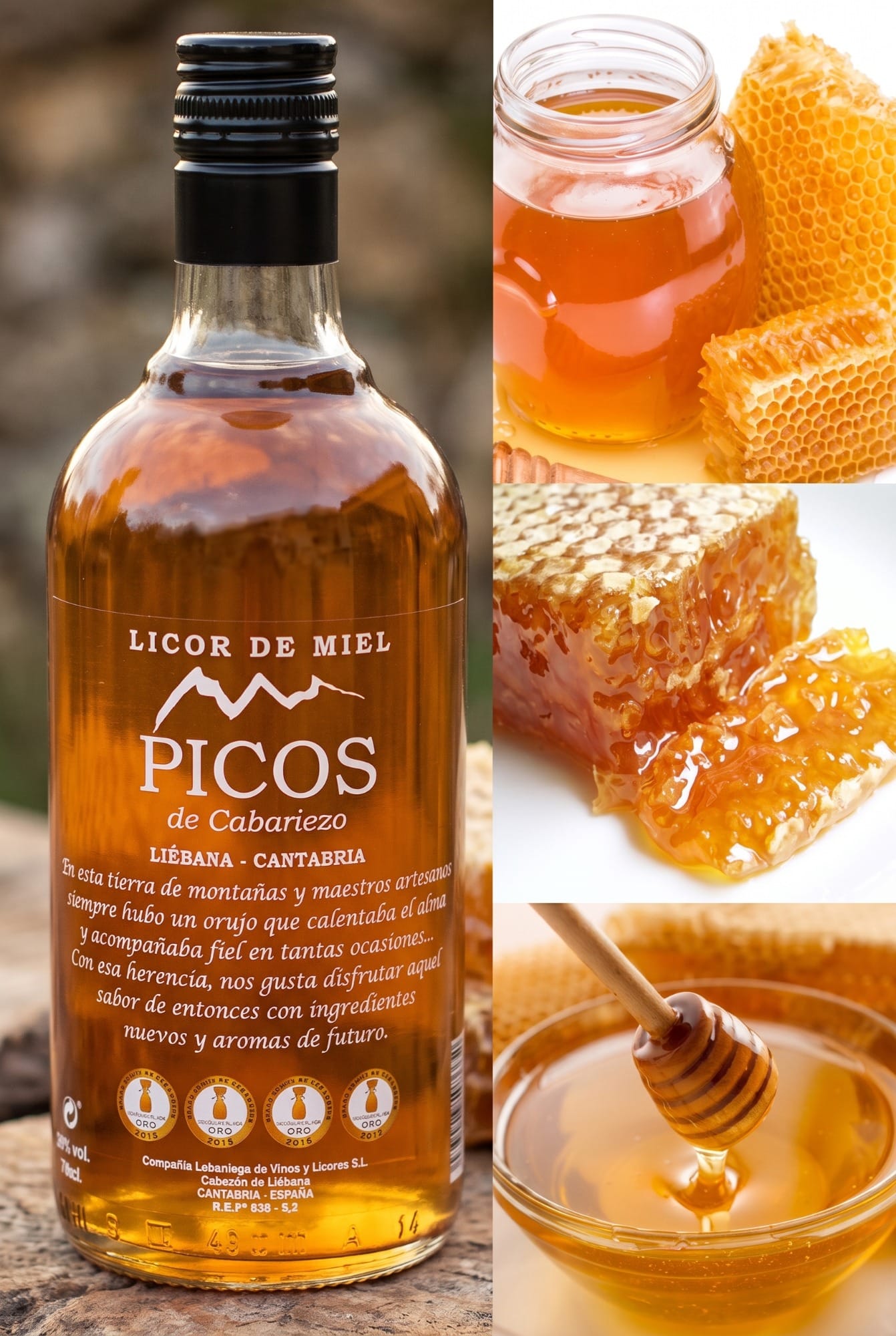
The Liébana district, around Potes, adds two products with plenty of character. Liébana honey has Protected Designation of Origin status and, according to the Spanish Ministry of Agriculture, it is sold thick or crystallised, which sometimes puzzles people used to runny supermarket honey: it's a sign of authenticity, not of poor storage. Orujo de Liébana, distilled from grape skins, is the classic after-dinner gift, and the shops in Potes sell the clear version as well as herbal orujo and orujo cream liqueurs.
Albarcas and crafts: the souvenir you can't eat
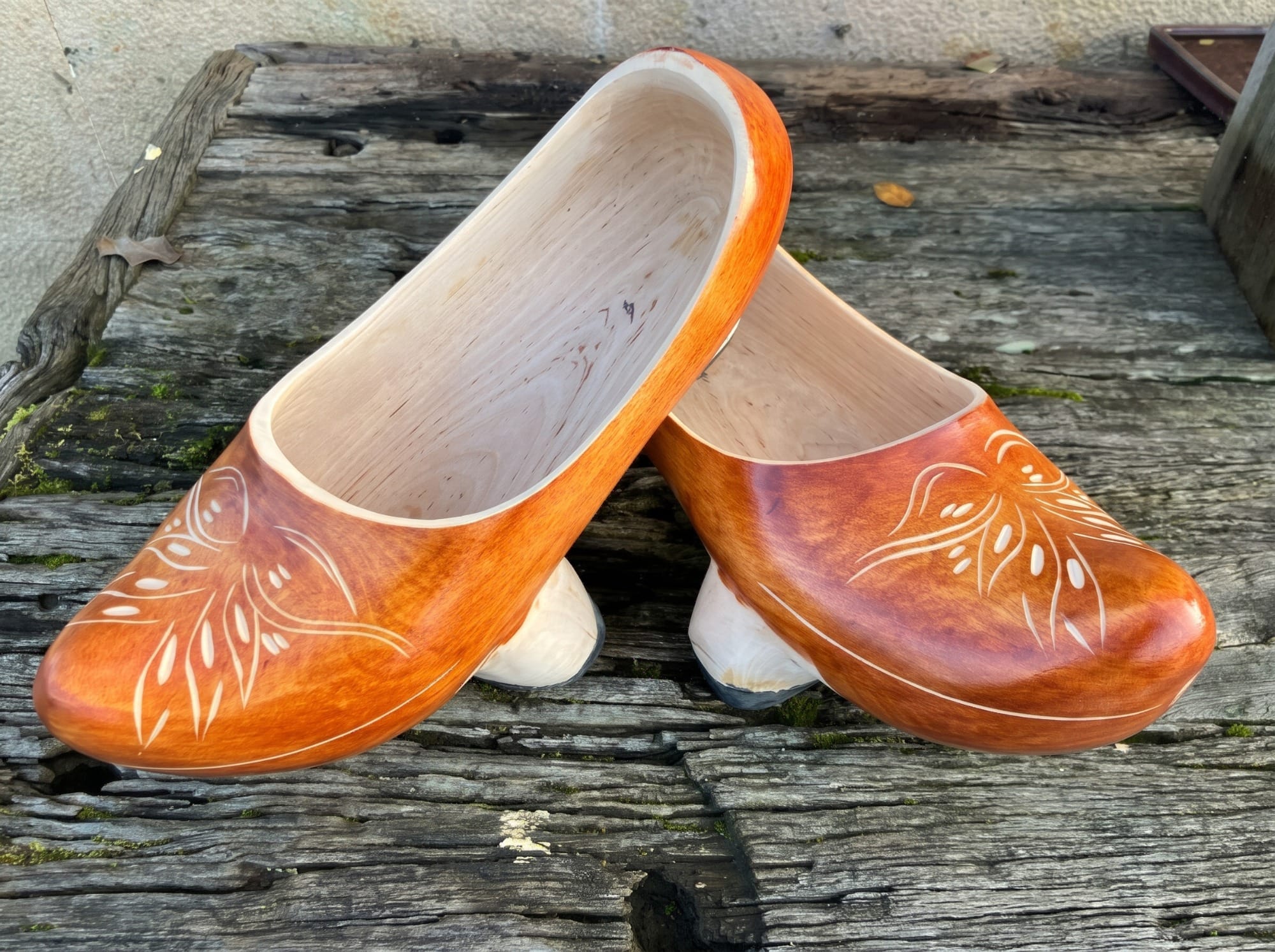
Albarcas, the wooden clogs once worn in the countryside to get through the mud, are the object most closely tied to Cantabria's traditional culture. Only a few albarca makers are left, and they mostly work to order; many of the albarcas you see in shops are machine-made and don't come from the region. If you want a handcrafted piece, ask directly whether it's hand-carved and who made it. In Carmona, in the Cabuérniga valley, the woodworking tradition lives on, and the Museo Etnográfico de Cantabria, in Muriedas, helps you understand the craft before you buy.
Where to shop in Cantabria without losing the whole morning
The easiest option is to do your shopping in one place with plenty of choice. In Santander, the Mercado de la Esperanza brings together fishmongers, cheese stalls and local produce under one roof; you'll find opening times and tips in our guide to Santander's markets, so you don't turn up when the stalls are already packing away. For everything else, the rule is to buy at source whenever you can: anchovies in Santoña, sobaos in the Pas valleys and honey or orujo in Liébana. It also lets you talk to the people who make them.
Good to know
Labels: if you're wondering what to buy in Cantabria with confidence, look for the PDO or PGI seals on the packaging; they certify origin and production. Anchovies: they're a semi-preserve and need to be kept cold; don't leave them for hours in the boot. Cheese: an insulated bag if you're driving, vacuum-packed if you're flying. Flying: honey, orujo and anchovies in oil count as liquids at security; most airports still apply the 100 ml limit in the cabin, so the safe bet is to pack them in your checked luggage. Albarcas: ask whether they're hand-carved; factory-made ones are cheaper but aren't local craftsmanship. Timing: in the weeks before Christmas, bakeries and canneries are busier; if you want a large order, place it in advance.
“The best souvenir from Cantabria doesn't go on the fridge door: it goes inside the fridge.”
Buying at the bakery, the cannery or the market stall is also a way of getting to know the region, because behind every product there's a valley, a harbour or a family that still makes it the old way. From Bareyo, Santoña, the Pas valleys and Santander are all close at hand, and an unhurried morning of shopping can turn out to be one of the best plans of the trip.