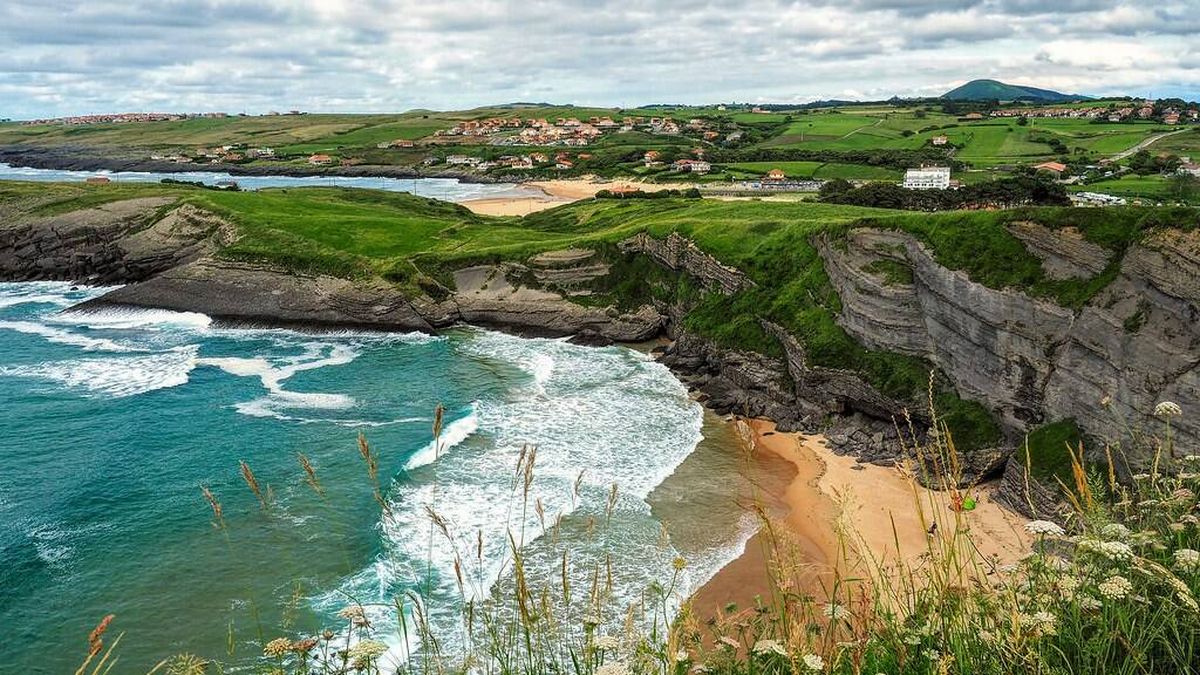
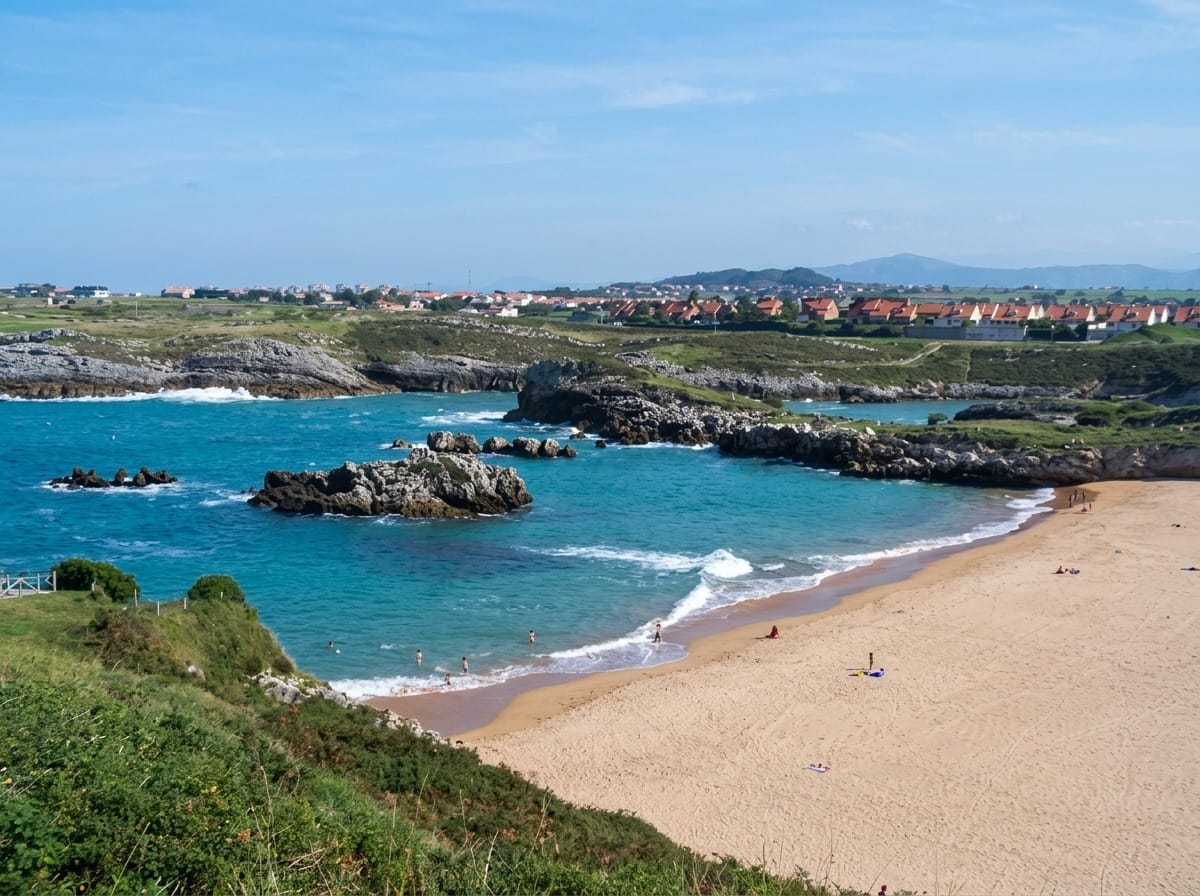
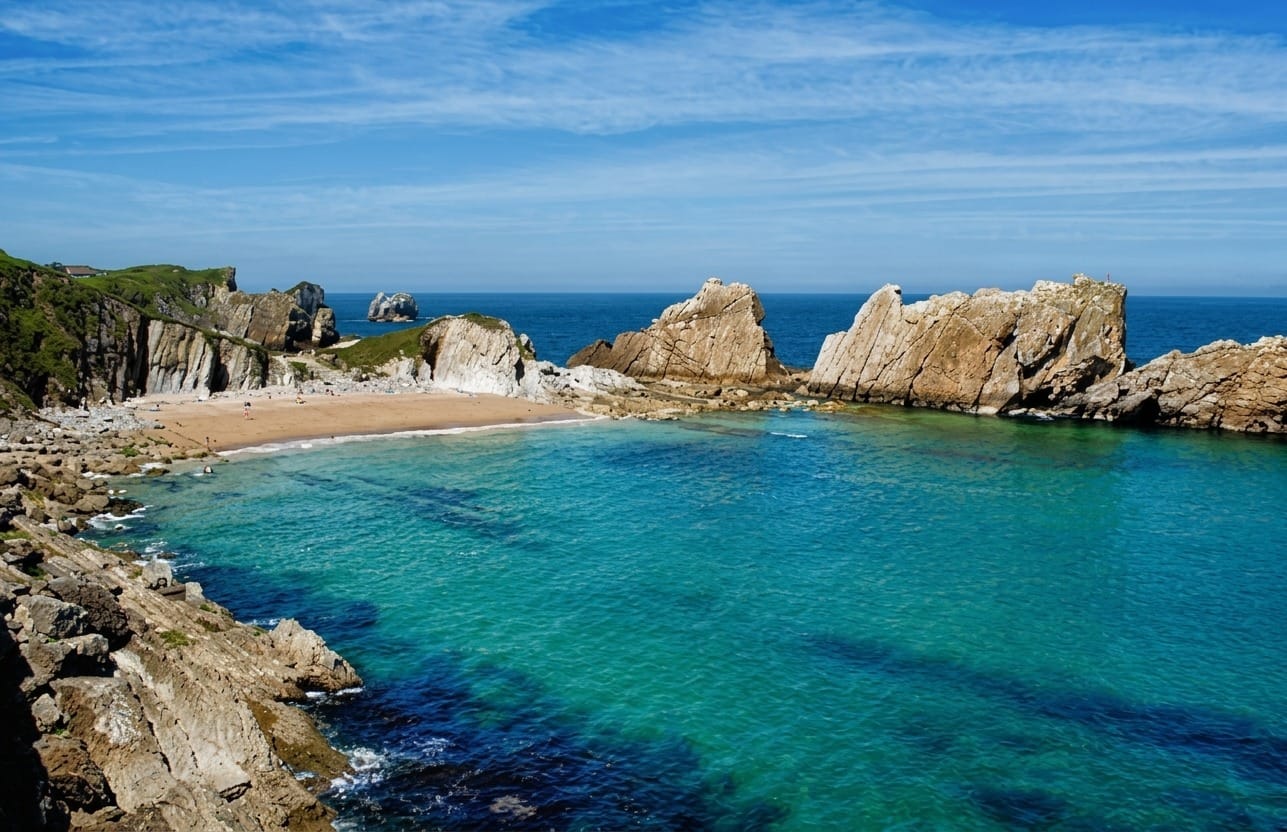
Sonabia beach, in Liendo, is a cove of about 150 metres between cliffs that you can only reach on foot: you park at a high point and walk down a path that takes 15 to 20 minutes. There are no services on the sand, so bring water and a warm layer, and keep an eye on the tide.
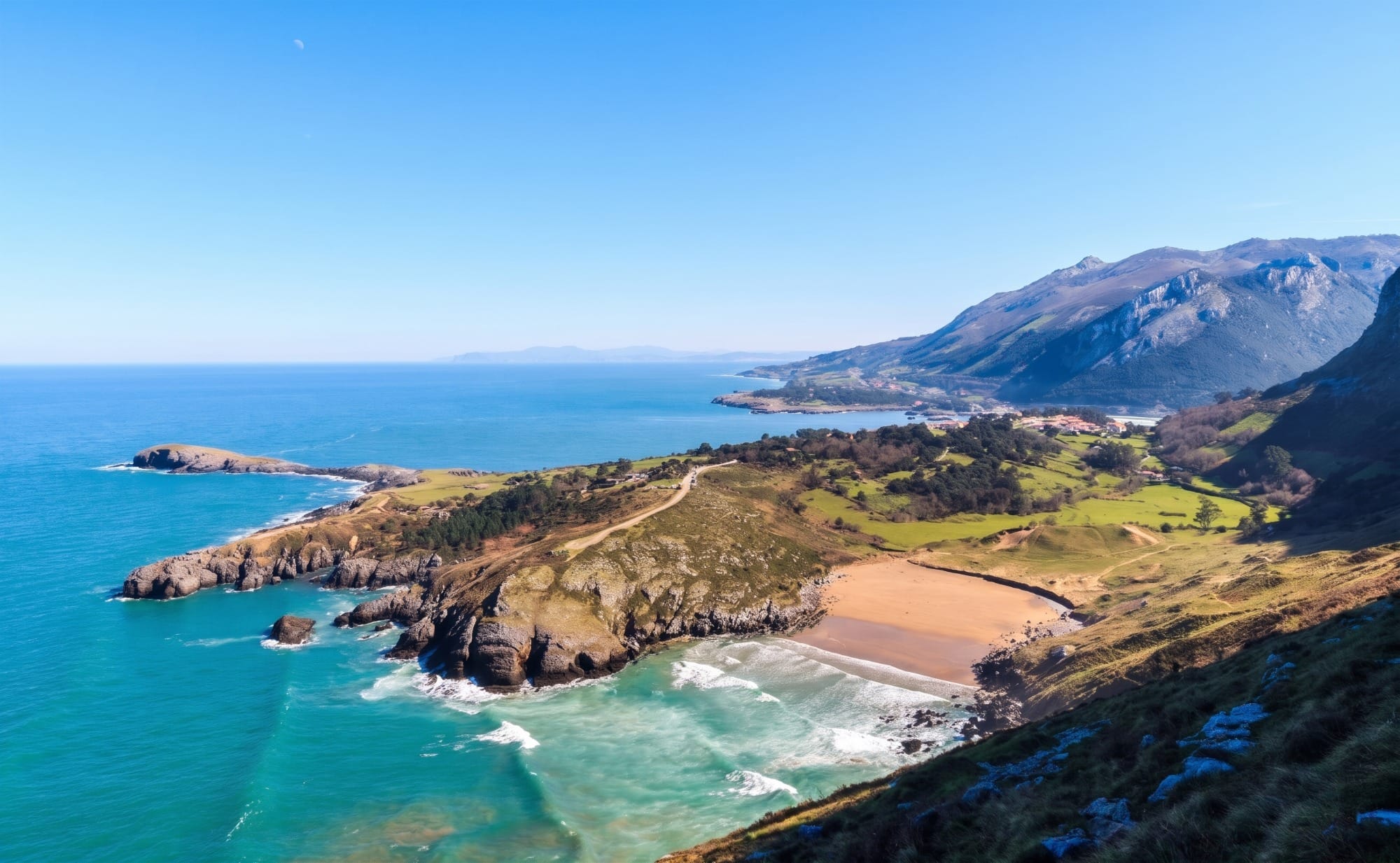
At the eastern end of Cantabria, where the coast is already peeking into Bizkaia, there is a beach that doesn't appear in the summer brochures. Sonabia has no promenade, no showers, no beach bar on the sand. It has a cove wedged between vertical rock walls, the sea in front and, behind, the Candina massif.
That is precisely why it's a good option in November. Without the August parking queues and with the low autumn light, the walk down becomes part of the plan. It's not the beach for bringing the parasol and the cooler. It's the beach for walking, looking at the sea and climbing back up with tired legs and a clear head.
What Sonabia beach is like
Guides describe it as a small cove: around 150 metres between cliffs, although the figures vary depending on the source and, above all, on the tide, which changes the size of the sand a lot. At low tide there is more room to walk; at high tide the dry strip narrows and it's best not to stray far from the way up.
The setting comes from the rock walls that close it in on both sides. It's a rougher landscape than the big golden-sand beaches of the coast, like Oriñón, a few kilometres away, and it suits a contemplative walk better than a classic family beach day. Some sources point out that conventional bathers and naturists share the cove, which is worth knowing before you go.
How to get to Sonabia beach
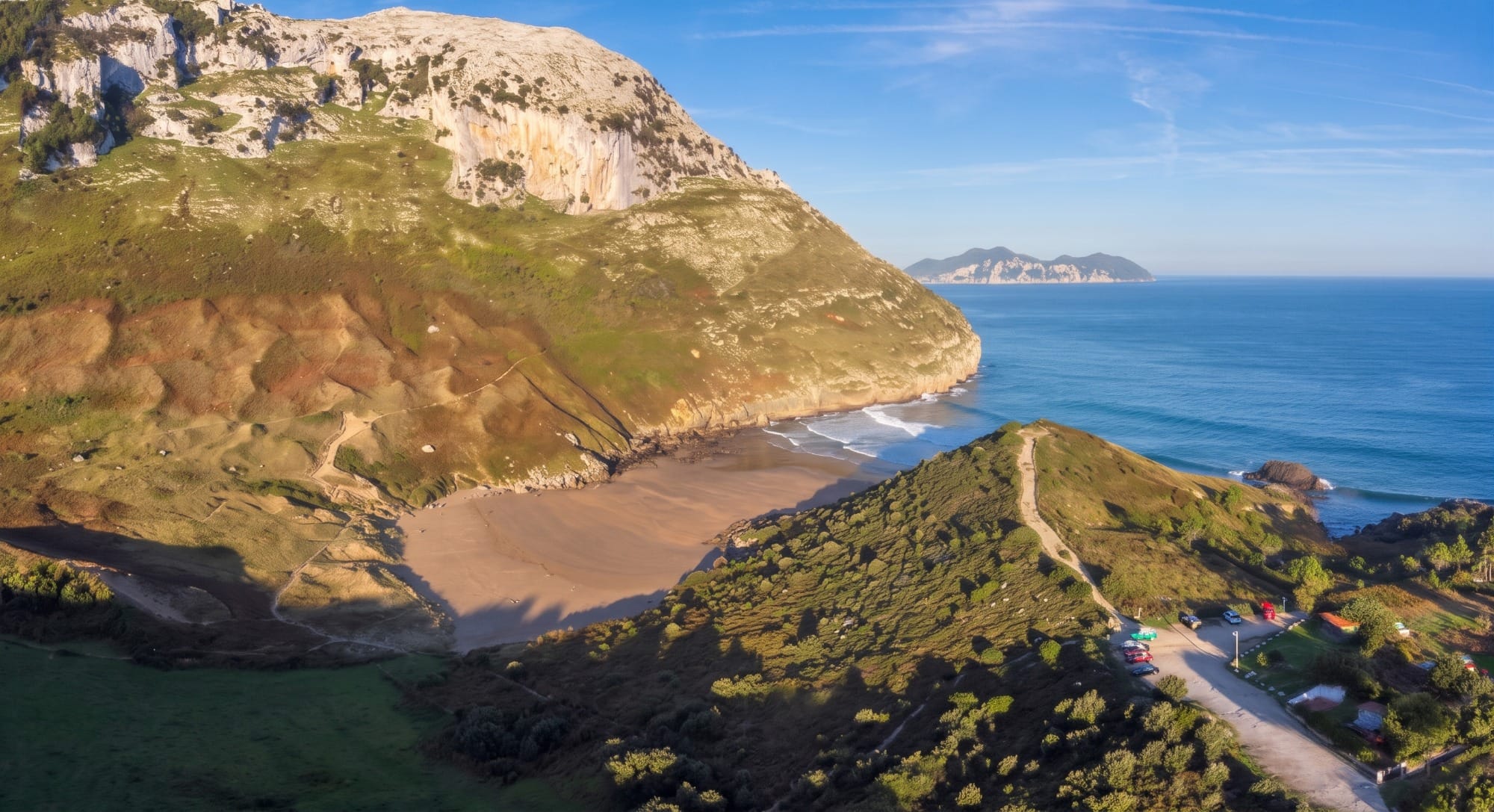
From Bareyo, the most direct way is the A-8 towards Bilbao as far as Liendo; allow a little under an hour by car. From there, follow the road towards Sonabia to a car park at a high point, next to the road. According to the listings consulted, it is unattended and has fewer than 50 spaces, and in summer it fills up early; in November it's not usually a problem.
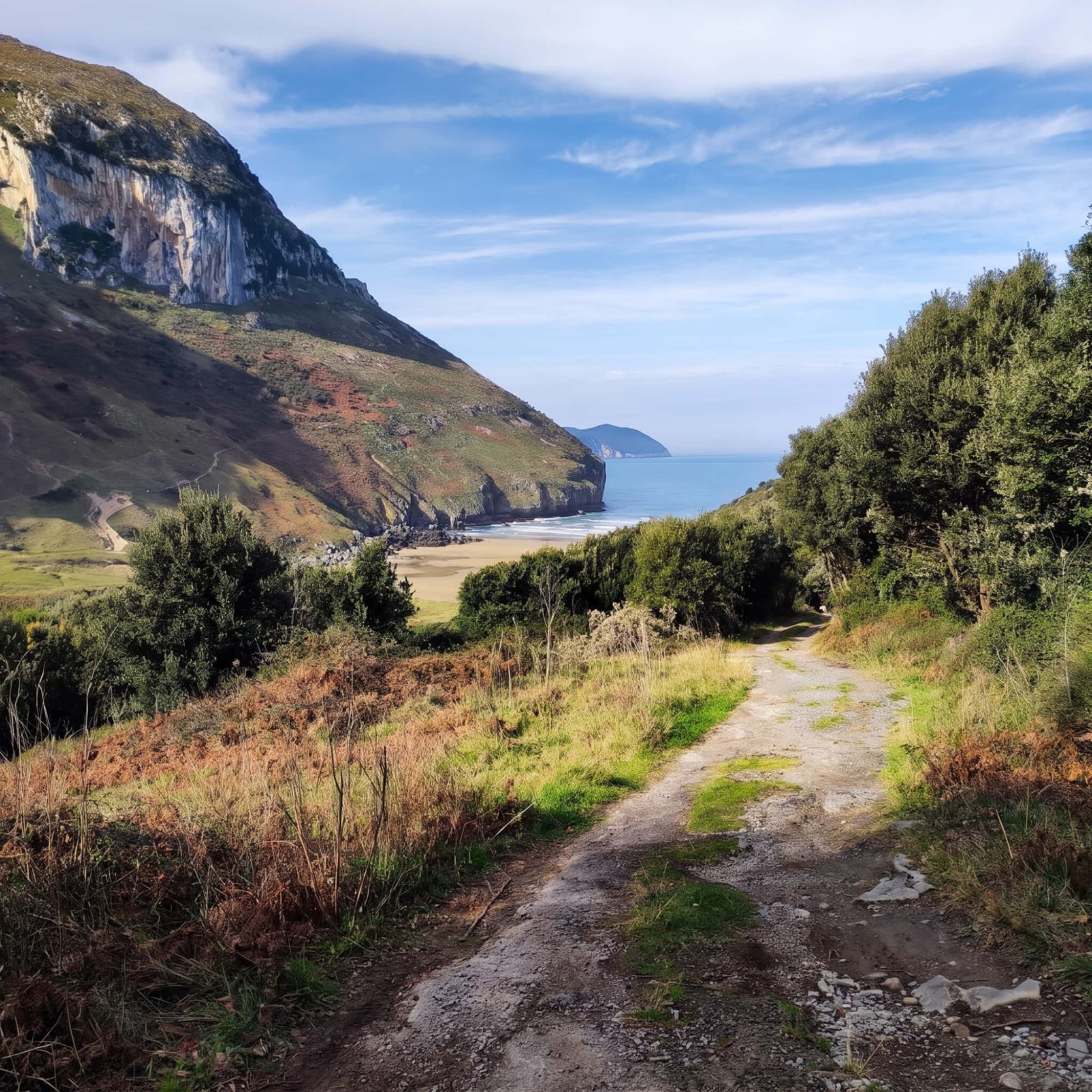
The beach is down below. You walk down a path and the trip takes, according to the guides, between 15 and 20 minutes each way. It is not an accessible route for people with reduced mobility, nor comfortable for pushchairs. Wear shoes with good grip: after rain, which is frequent in Cantabria in autumn, the ground gets slippery.
Services and rules out of season
There are no services on the sand. Lonely Planet mentions a couple of seasonal bar-restaurants next to the car park, which means that in winter they may be closed: bring water and something to eat, and don't count on them.
As for dogs, one guide says they are allowed on this beach, but municipal rules can change and vary between the season and outside it. Check the signs at the access or ask the Liendo Town Hall before going down with yours. And as in any cove closed in by cliffs, don't get close to the foot of the wall at high tide or after days of heavy rain: rockfalls are a real risk on this kind of coast.
What to do from Sonabia
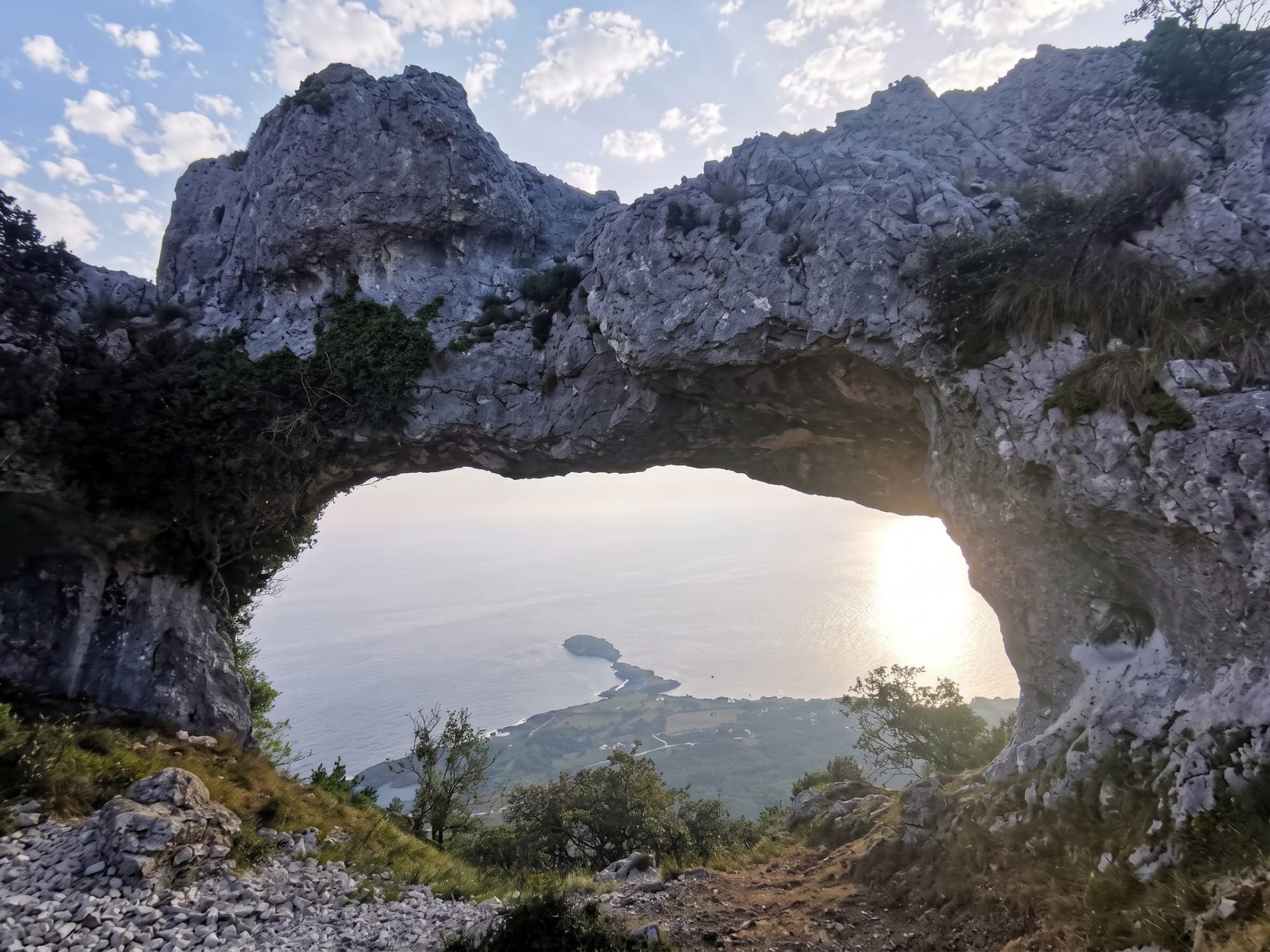
Sonabia is the starting point for several walks. The best known leads to the Ojos del Diablo, a loop of about 7 km that climbs the Candina massif; we cover it step by step in our circular route to Monte Candina and the Ojos del Diablo from Sonabia. If you'd rather follow the coastline, there is a coastal path linking Sonabia with Laredo, of around 10 km along the base of the cliffs, although some stretches are flagged as delicate in bad weather.
To plan the rest of the day, the Cantabria tourist office publishes up-to-date information on routes and beaches in the eastern area, which is where you should check the sea warnings before setting out.
Good to know
Where: Sonabia, municipality of Liendo (Cantabria), on the eastern coast. Size: cove of about 150 metres between cliffs, varying with the tide. Access: on foot only, 15-20 minutes down from a car park at a high point, unattended and with fewer than 50 spaces. Services: none on the sand; seasonal bars next to the car park. Accessibility: not suitable for reduced mobility. What to bring: shoes with grip, water, a warm layer, and check the tides and sea warnings beforehand. When to go: the autumn and winter light is good, but avoid stormy days.
“You don't visit Sonabia from a towel: you walk to it and come back feeling you've earned the sea.”
Bareyo is a good base camp for anyone who wants to get to know the whole Cantabrian coast, from the Ajo estuary to remote coves like this one. After a morning of trails and cliffs, going back to a quiet villa and the unhurried rhythm of Trasmiera is the best way to end the day.