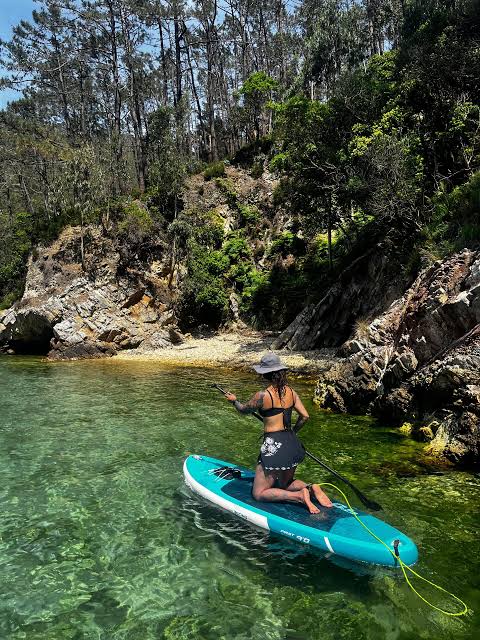
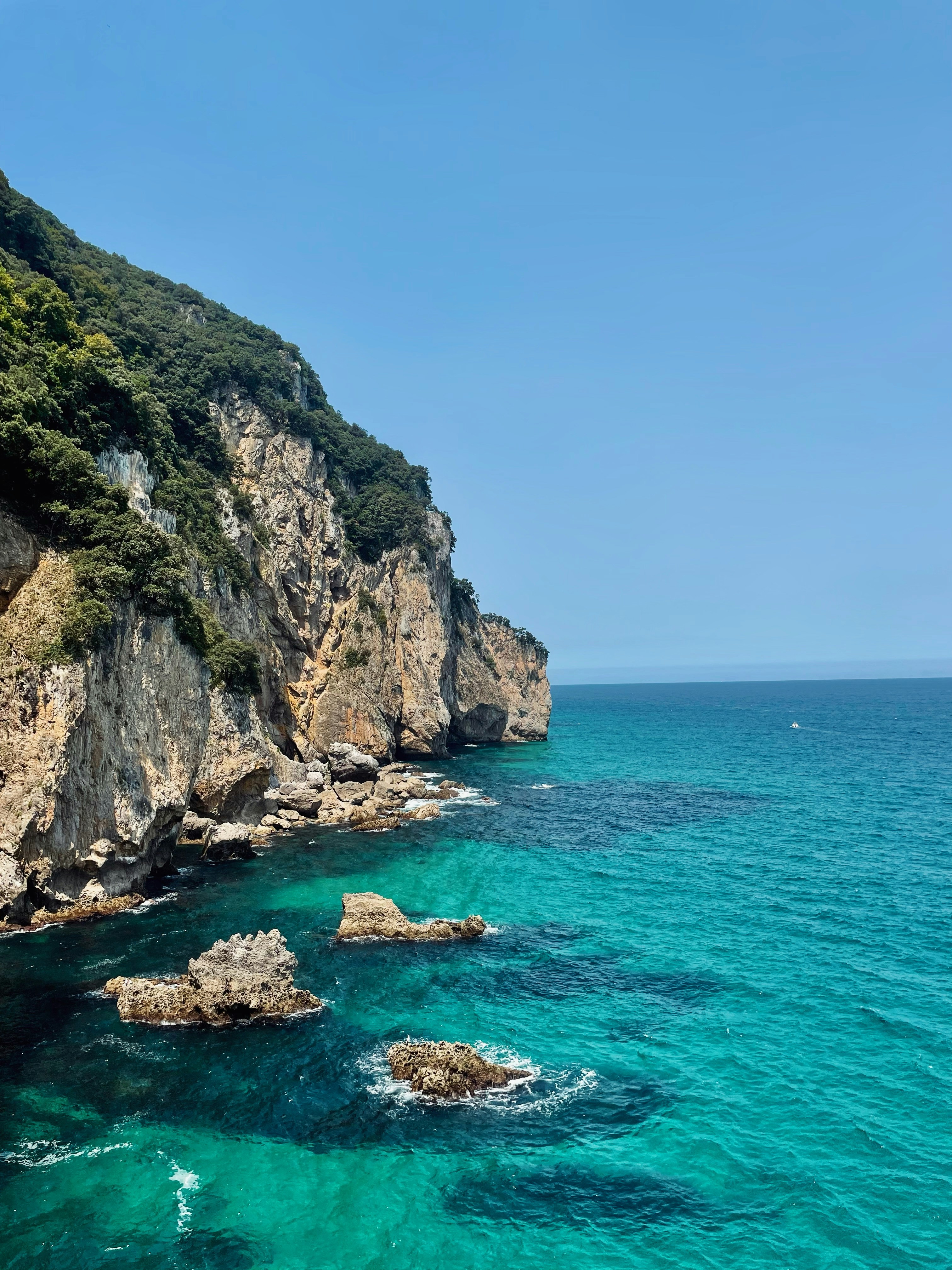
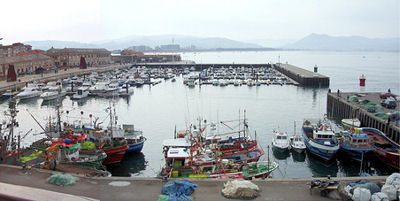
The bay of Santoña, about 15 minutes from Bareyo, is the go-to spot for boat fishing along the Cantabrian coast. There are shared trips from around €70 per person, and private boat rental with a skipper, arranged through platforms like Capitán Charter or directly at the Club Náutico de Santoña.
Between the Ajo estuary and the mouth of the Asón, you can fish for bonito, sea bass, sea bream or conger eel depending on the time of year, and you don't need to bring your own rod or have ever fished before: the skippers who work the area provide the gear and explain the technique as you go. It's a different way of getting to know the Trasmiera coast, more unhurried than a regular boat trip, with the chance to head back to port with dinner sorted.

Unlike a tourist boat ride, here the aim is to fish for real, with rod and reel, guided by someone who knows the local fishing grounds. We'll tell you where to head out from near Bareyo, what paperwork you need, and what to expect from a day of sport fishing in the bay of Santoña.
The bay of Santoña: the starting point for sport fishing near Bareyo
The bay of Santoña, barely a quarter of an hour by car from Bareyo, concentrates most of the boat fishing on offer in the area. It's a sheltered estuary with easy access to the open Cantabrian Sea, which allows for short trips without needing to sail for hours to find good fishing grounds.
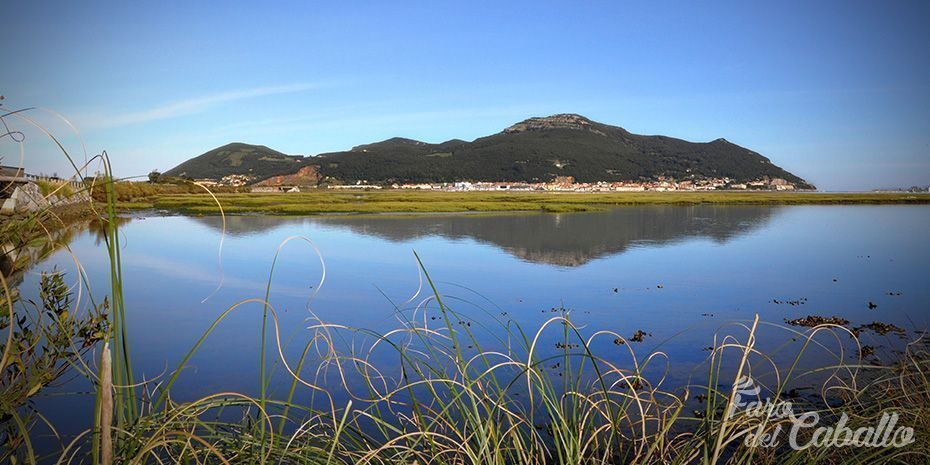
How to book a trip: Capitán Charter and the Club Náutico de Santoña
The simplest way to organise a trip is through platforms like Capitán Charter, which brings together several dozen fishing options in Santoña with different skippers and boats. Shared trips, with several anglers on board, start at around €70 per person; renting the whole boat with a skipper for your group, on the other hand, can go over €2,000 depending on duration and type of fishing.
For those who prefer to sort it out in person, the Club Náutico de Santoña is the physical reference point of the marina, with boats moored and direct contact with local skippers.
What you can fish in the bay of Santoña, and when
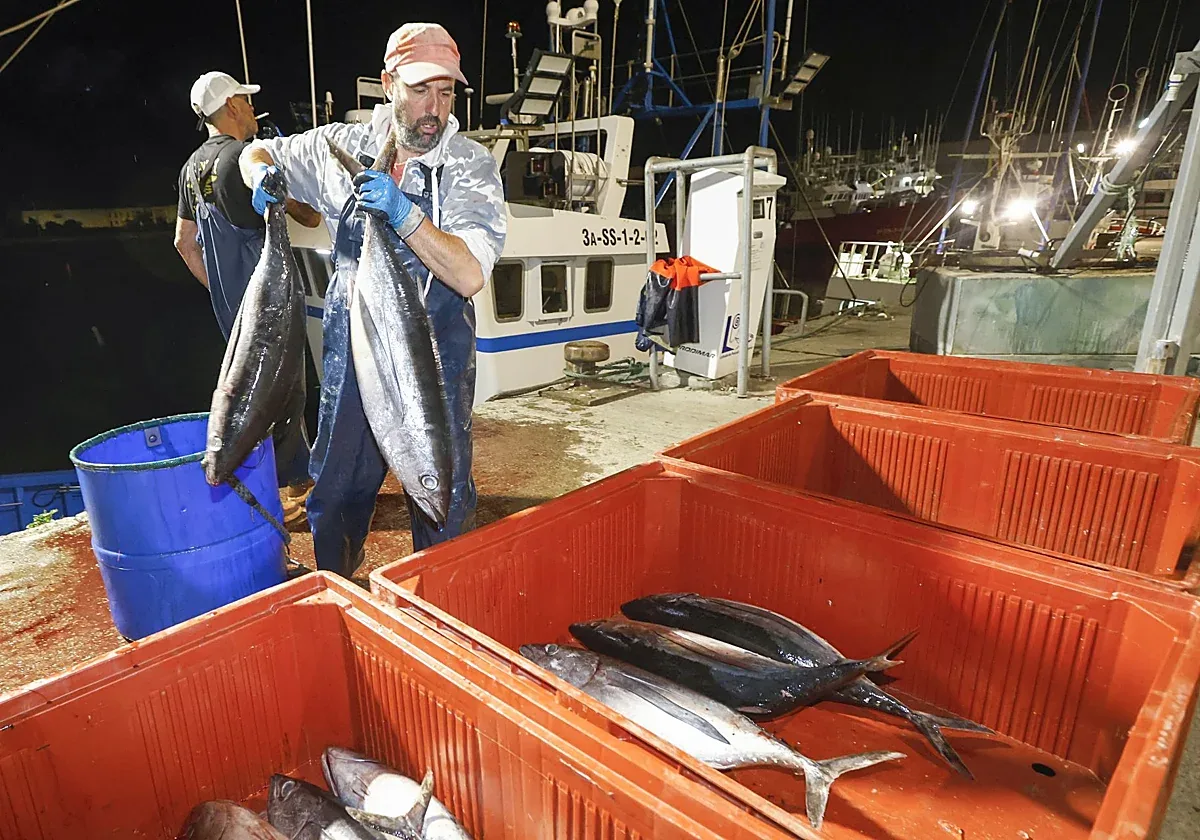
North Atlantic bonito is behind much of the summer trips, with a strong season between July and September, when it comes in close to the coast to feed. The rest of the year alternates between sea bass, sea bream, conger eel or mackerel, depending on the tide and time of year. Skippers adjust the type of trip — offshore or inshore, closer to the coast — based on what's being caught those days, so it's worth asking when booking which species is most likely.
The fishing licence: what you actually need
If you go out with a professional skipper as part of an organised trip, you normally don't have to arrange anything: the activity is covered by the boat's commercial permit. If instead you rent a boat without a skipper to fish on your own, you do need your own recreational sea fishing licence, which is processed through the Government of Cantabria's electronic office and can be requested by anyone over 16, or from 14 with an adult's authorisation. It's worth confirming with the skipper or the booking platform which arrangement applies before you head out.
What to expect from your first sport fishing trip
A shared trip usually lasts between three and four hours, with equipment — rods, reels and bait — included in the price. The skipper picks the spot and helps you rig your line if it's your first time; the rest is patience and a bit of luck. Most boats have a toilet on board and some covered area, though it's worth bringing warm clothing and non-slip footwear, because the deck of a fishing boat is different from that of a tourist excursion.
What you need to know
Rough price: from €70 per person on a shared trip; private boat rental with a skipper, from several hundred euros up to over €2,000 depending on duration. Typical duration: between 3 and 4 hours for shared trips. Best time: July to September for bonito, the rest of the year for sea bass, sea bream and conger eel. With kids: it's worth checking the recommended minimum age with the skipper, as it varies by boat and type of trip. What to bring: warm clothing, non-slip footwear and something for seasickness if you're not used to being on the water.
"You don't need to know how to fish to come back to port wanting to do it again; the skipper handles the technique, you just have to hold the rod."
Going out to fish in the bay of Santoña is one of those experiences that changes the way you look at the coast around Bareyo: you stop seeing it from the beach and start understanding it from the water, with its fishing grounds and its tides. If you'd rather watch a real fisherman at work instead of fishing yourself, our guide to boat trips in Cantabria has exactly that option, skipper included. And if you're looking for a quiet base from which to organise these trips without depending on hotel schedules, Bareyo Residences is a short step from the bay of Santoña.