Cantabria has preserved half a dozen palaces and mansions built by indianos who made their fortune in the Americas and came back to build mansions, universities and gardens in their homeland. The most notable are concentrated in Comillas, Solares, Villaverde de Pontones and Ruiloba, almost all less than an hour from Bareyo and open to view from outside all year round.
Between the late 19th and early 20th centuries, thousands of Cantabrians emigrated to Cuba, Mexico or Argentina, and some came back with fortunes large enough to transform their home towns. These returning emigrants were known as indianos, and Turismo de Cantabria covers this legacy well: the trail can still be followed today in neo-Gothic façades, palm trees that shouldn't really grow this far north, and entire universities built in towns of just a few thousand people.
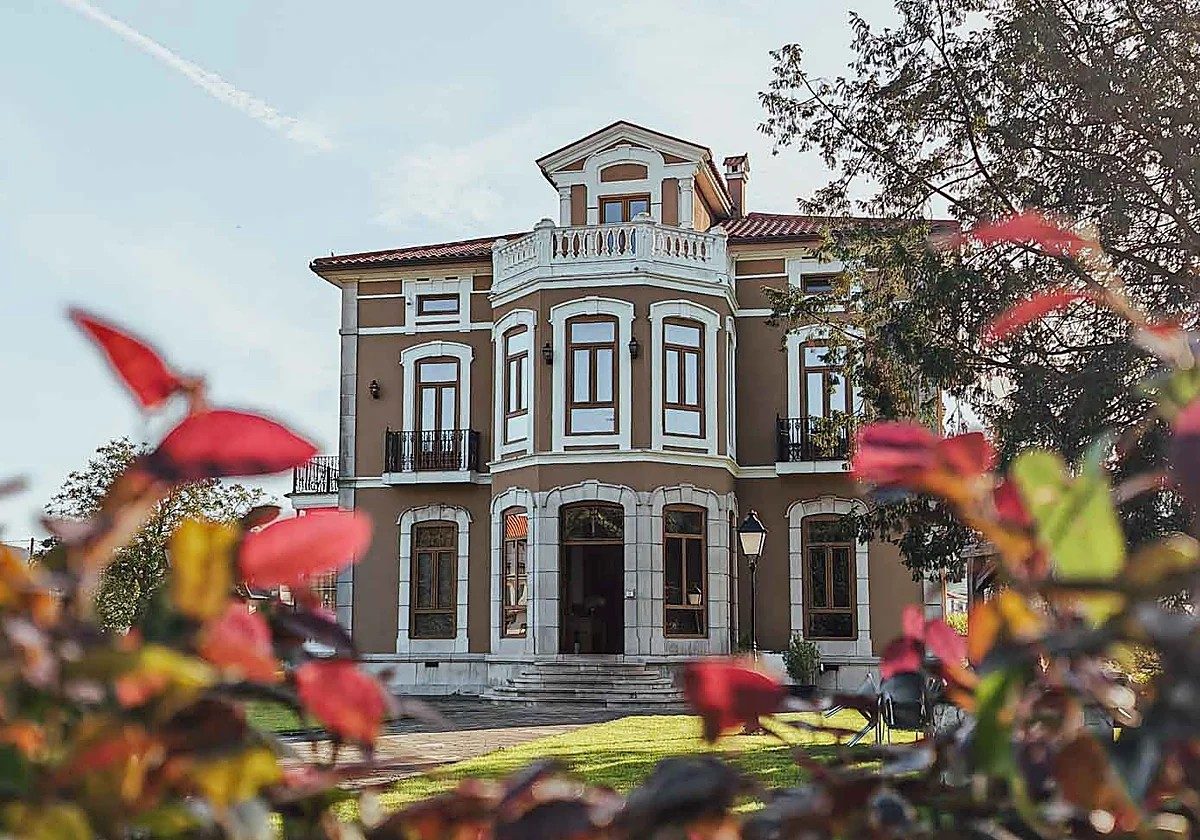
We've picked six stops that sum up this legacy well without overlapping each other: two buildings from the same complex in Comillas that already deserve a trip of their own, a free museum in Solares, a palace with gardens in Villaverde de Pontones and a mansion with its own tower in Ruiloba. The criteria were simple: each should be possible to visit, or at least view from outside without a complicated advance booking, and each should bring something different to the route instead of repeating the same kind of façade.
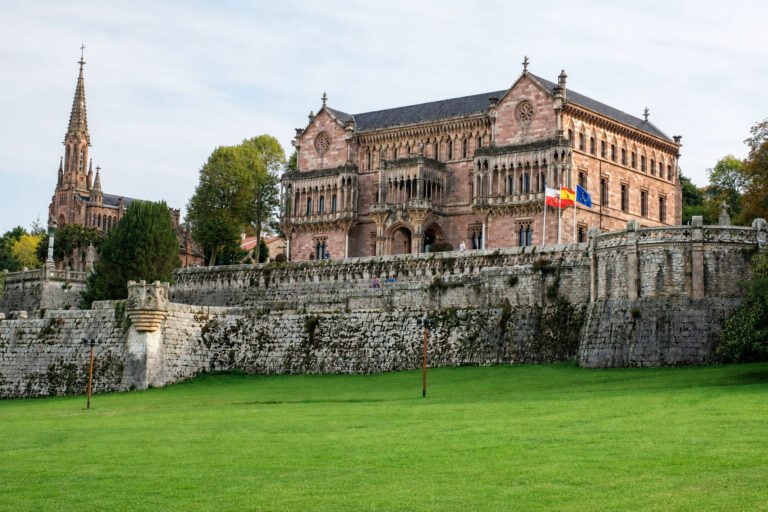
Palacio de Sobrellano (Comillas)
The Palacio de Sobrellano opens the list because, together with the adjoining Panteón Chapel, it's the building that best sums up the building ambitions of Comillas's indianos. It was built by the Catalan architect Joan Martorell for Antonio López y López, first Marqués de Comillas, in neo-Gothic style, with an interior that combines period furniture with modernist details commissioned from a young Gaudí, who was working in López's circle at the time. The garden surrounding it, with sea views, can be explored even without going inside the building, and it's a good starting point for the rest of Comillas's indiano route, practically a stroll from the other two stops on this list in the same town.
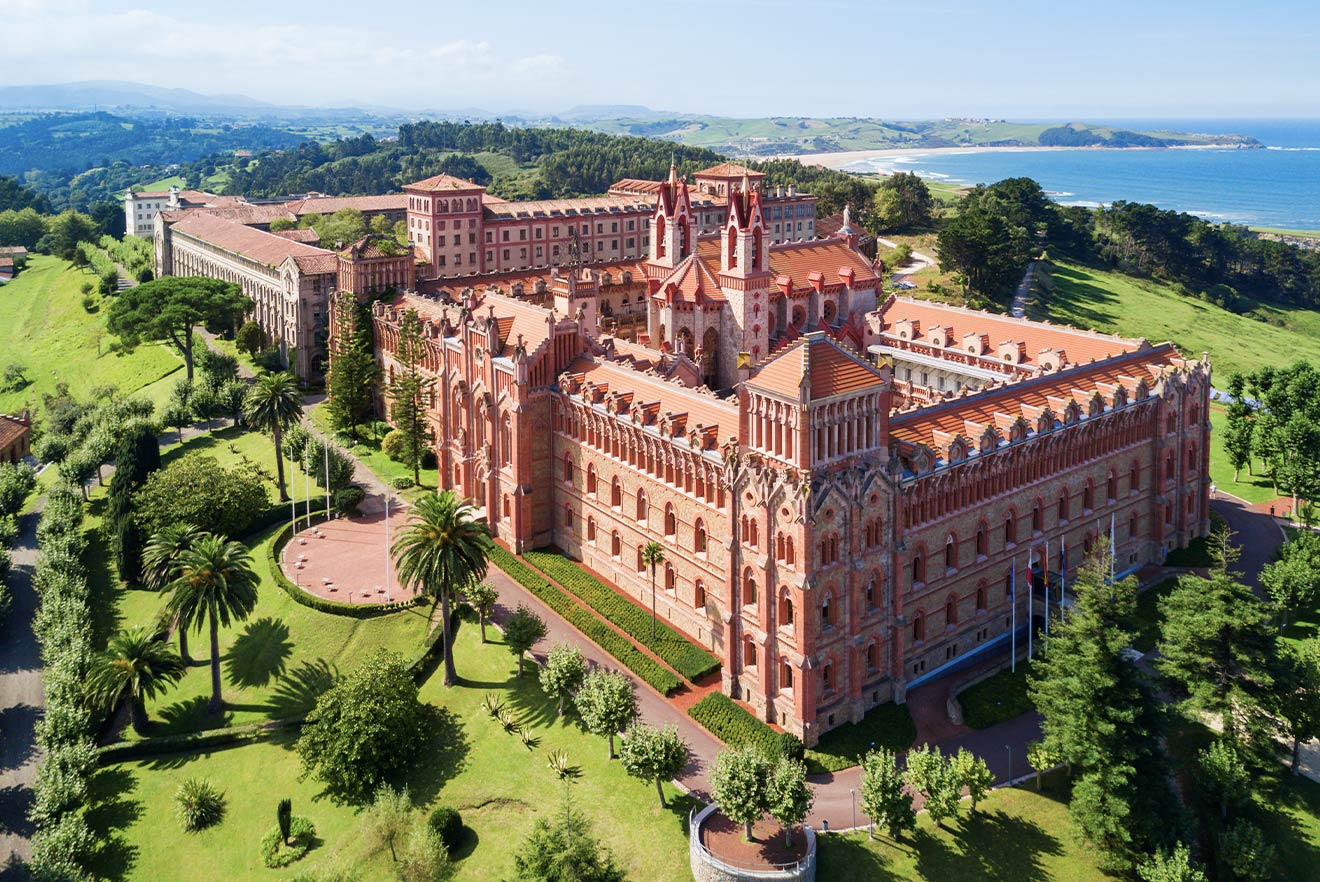
Universidad Pontificia de Comillas
A few metres from the palace, the former Universidad Pontificia occupies what used to be the Seminario Mayor, also built at the Comillas family's request to train priests. The building, with its monumental façade and interior chapel, functioned as an ecclesiastical university until it moved its main activity to Madrid, and today it can be visited on certain dates through the town's tourist office. Even if the visiting schedule doesn't line up with the day you're in Comillas, the exterior alone justifies the stop: it's one of the most photographed indiano complexes in Cantabria, especially from the walkway leading up to El Capricho.
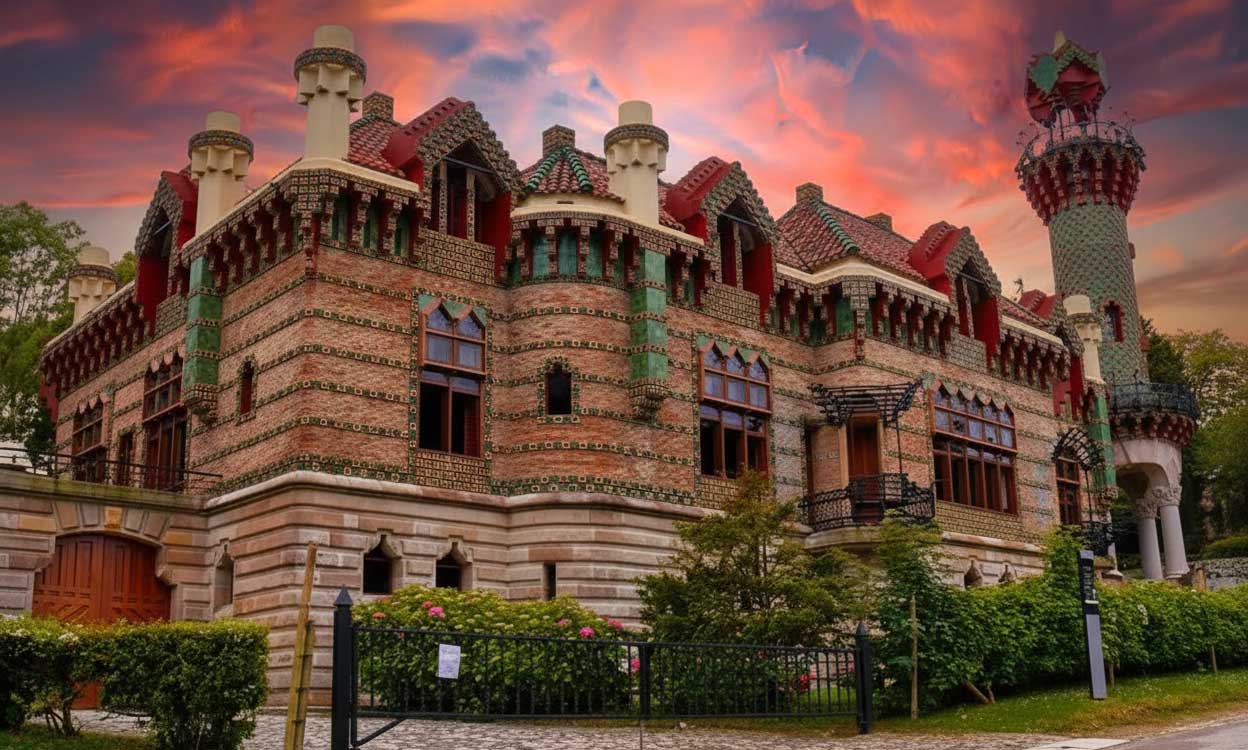
El Capricho de Gaudí (Comillas)
El Capricho is the only work Gaudí built outside Catalonia, which is why it functions almost as a piece apart within Comillas's indiano complex — the reason we've dedicated it a full guide of its own. Commissioned by Máximo Díaz de Quijano, an unmarried indiano who wanted a leisure house, it mixes ceramics with sunflower motifs, wrought iron and a lookout tower that remains the most recognisable building on the route today. It can be visited inside with a paid ticket, and it's worth booking ahead in high season, though outside the hottest months the queues are usually manageable.
Casa Blanca del Marqués de Valdecilla (Solares)
In Solares, less than half an hour from Bareyo, the Casa Blanca was the residence of the Marqués de Valdecilla, the indiano whose Cuban fortune ended up funding the university hospital that bears his name in Santander. The small palace preserves original furniture and a colonial-style garden, and unlike other stops on this list, admission is free: a rarity among Cantabria's indiano heritage, where the norm is to pay an entrance fee or settle for viewing the façade from the street. It's also the easiest stop to combine with a short getaway from Bareyo, without needing to set aside a whole day for it.
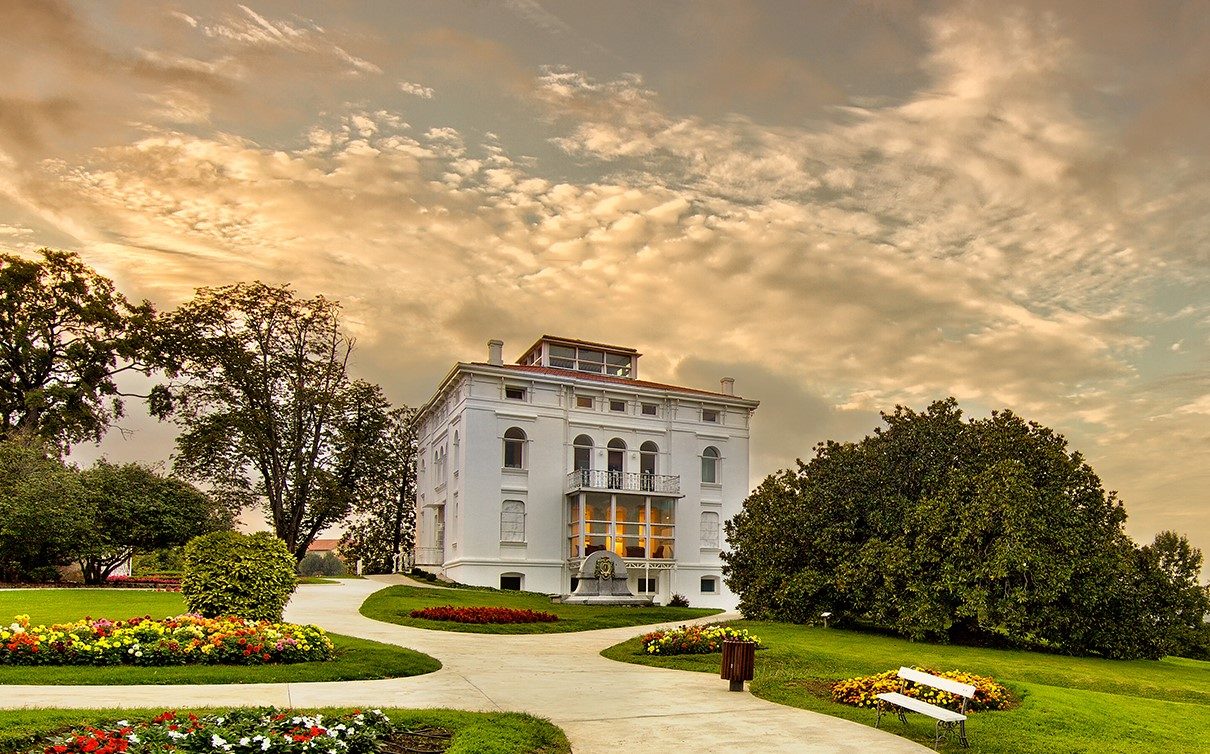
Palacio de Elsedo (Villaverde de Pontones)
The Palacio de Elsedo, in Villaverde de Pontones, belongs to a somewhat earlier generation of indianos — those who made their fortune in the 18th century rather than the 19th — but shares with the rest of the list that mix of stately architecture and gardens that don't quite fit with the rural landscape around them. Its geometric gardens, with clipped hedges and a large wooded estate, open for guided visits at certain times of year, and the complex is usually included in the organised routes of indiano mansions in the Trasmiera area, the same region where Bareyo is located.
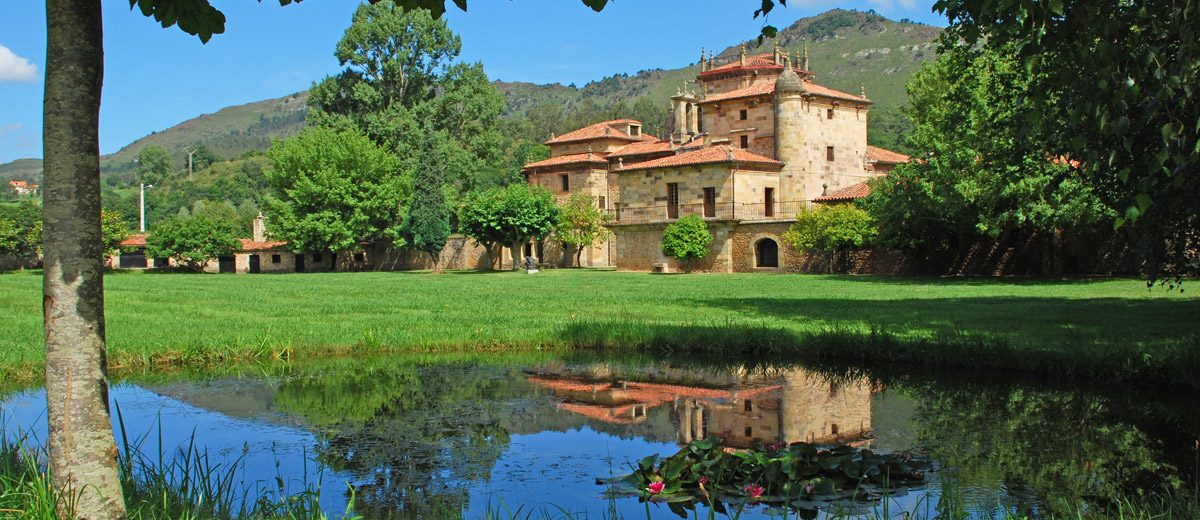
Casona de los Reyes and Torre de Trasierra (Ruiloba)
Ruiloba closes the list with a different case: not a single palace, but an entire village built by indianos competing with each other to put up the grandest mansions. The Casona de los Reyes, in the Liandres district, and the Torre de Trasierra are the two most-cited examples, as noted in the Ruiloba tourism guide, but it's enough to walk through the village centre to find stepped façades and towers that don't always make it into the guides. It's the least monumental stop on the list, and for that very reason the one that best conveys how the look of these villages changed when money from overseas arrived.
What you need to know
Of the six stops, only El Capricho and the Casa Blanca in Solares offer regular organised interior visits; the rest can be viewed from outside or require arranging a visit in advance through the relevant tourist office. Comillas concentrates three of the six stops (Sobrellano, the Universidad Pontificia and El Capricho) and can be covered on foot in one morning; Solares, Villaverde de Pontones and Ruiloba are more spread out and are best combined with other stops in the area if you're visiting in a single day. Almost all the buildings are less than an hour from Bareyo except Ruiloba, a little further west, which is around 50 minutes by car on the A-8.
“The indianos didn't just bring back money: they brought plants, styles and an idea of home that Cantabria had never seen before.”
If this route leaves you wanting more heritage from the area, at Bareyo Residences we have our own piece of local history close by — the village's Romanesque church and tide mill — which makes a good half-day addition.