Cantabria's churches and hermitages make up one of the best-preserved Romanesque collections in northern Spain, alongside cliffside chapels that have withstood the waves for centuries. These nine are the most representative: from the Ermita de Santa Justa, carved half into the rock at Ubiarco, to the Colegiata de San Martín de Elines in Valderredible, declared a National Monument in 1931.
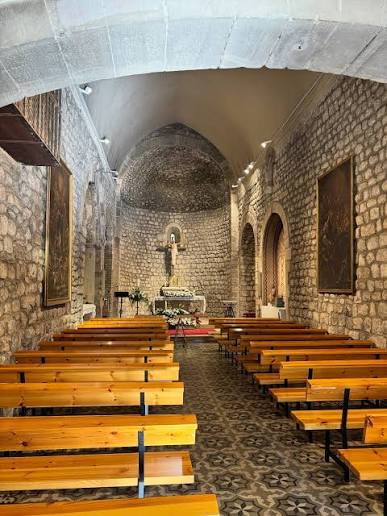
The eastern coast of Cantabria, the stretch around Bareyo, has its own small, understated seafront hermitages. But head south, to Campoo and Valderredible, and you'll find one of the densest concentrations of rural Romanesque art in Spain, on par with parts of northern Palencia or Burgos. Between these two extremes lies a body of religious heritage that rarely makes headlines, yet underpins much of the identity of the villages where it stands.
We've picked nine temples we could actually verify, each with known visiting hours or access arrangements, leaving out any that can only be seen from the outside or that lack reliable opening information. The route starts on the coast, near Bareyo, and ends inland, in Liébana, for anyone who wants to turn it into a full day trip.
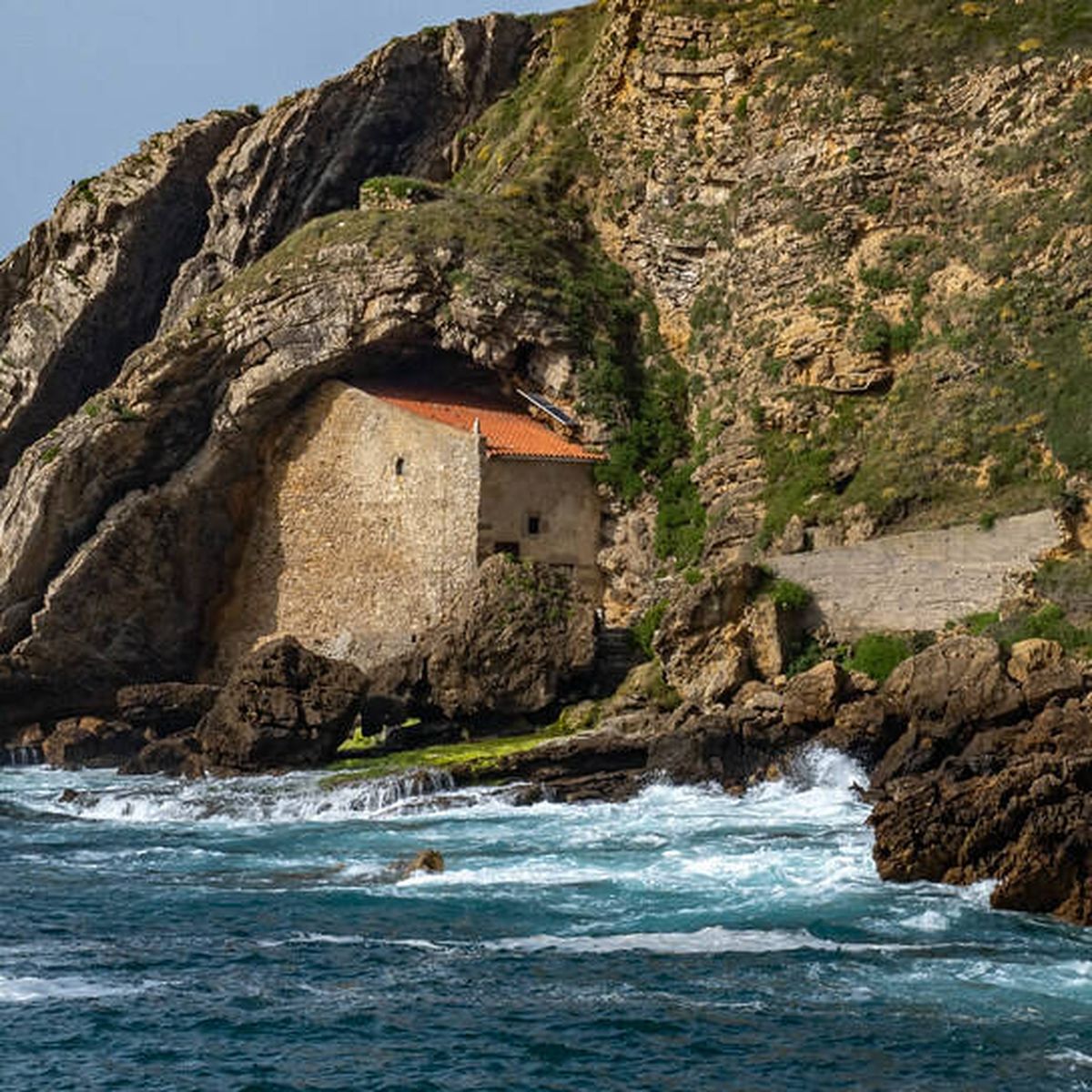
Ermita de Santa Justa (Ubiarco, Santillana del Mar)
The Ermita de Santa Justa is carved half into the cliff face on Ubiarco beach, just outside Santillana del Mar: only two of its walls are built masonry, the rest is the bare rock of the cliff itself. The current building dates from the 16th century, though devotion at the site is documented as far back as the 12th century. You reach it via a roughly 260-metre path restored by the Government of Cantabria in 2022, and it's only accessible at low tide, since the waves cover the path when the sea comes in. It opens this list because, more than any other site here, it captures the bond between faith and the sea on this coast.
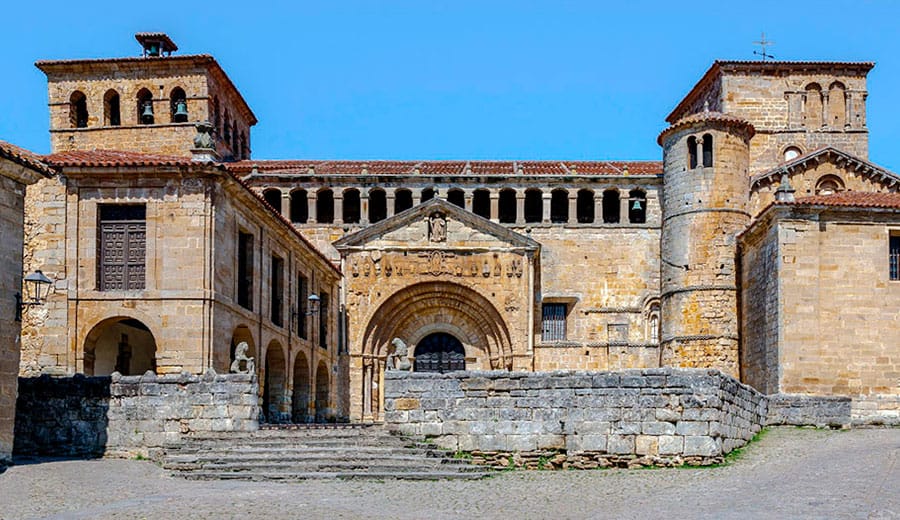
Colegiata de Santa Juliana (Santillana del Mar)
In Santillana del Mar itself, just minutes from Santa Justa, stands the Colegiata de Santa Juliana, the Romanesque church that gave the town its name (Sant Illana, from Santa Juliana). Its cloister, with 12th-century historiated capitals, is considered one of the finest examples of Cantabrian Romanesque art. The visit, which includes the cloister and the church interior, costs 3 euros and takes about 45 minutes; it's open from 10:00 to 13:30 and 16:00 to 18:30, with extended summer hours, closed Mondays. It takes second place for its proximity to Santa Justa: you can visit both in a single morning.
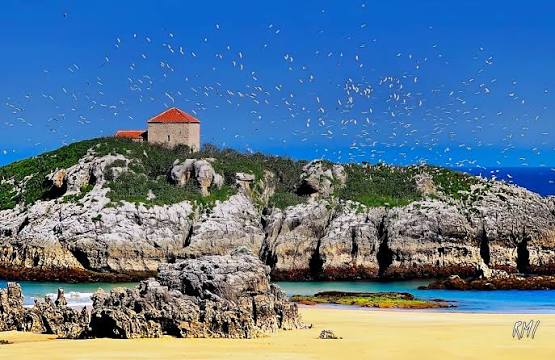
Ermita de San Pedruco (Noja)
On the island of San Pedruco, just off Ris beach in Noja, lie the remains of the ermita de San Pedro ad Víncula, ringed by centuries-old fig trees that made access nearly impossible for decades. For centuries it was the destination of seaborne pilgrimages: locals from Noja would carry the saint out in procession by boat to pray for rain during droughts. A recent restoration project has reopened part of the access route, though it's still the most demanding visit on this list. It takes third place because, of the nine, it's the closest to Bareyo and the least known outside Noja.
Santuario de la Virgen de la Barquera (San Vicente de la Barquera)
The Santuario de la Virgen de la Barquera crowns a headland above the estuary at San Vicente de la Barquera, with clear views over the harbor entrance and, on a clear day, the Picos de Europa in the distance. It shares the spotlight with the town's castle and is a regular stop for anyone touring Cantabria's western coast. It sits at the midpoint of this list because it marks the western edge of the route: from here on, the rest heads inland.
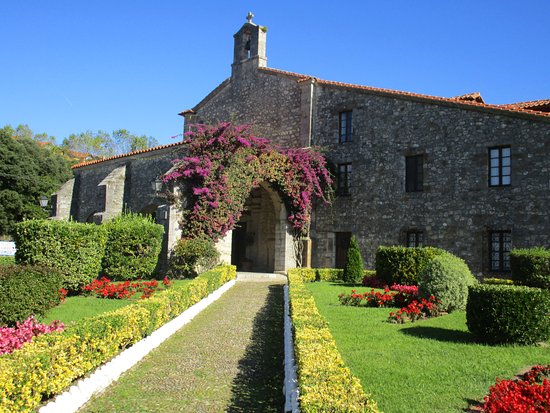
Ermita de Santa Ana (Castro-Urdiales)
At the eastern end, the ermita de Santa Ana sits atop a rocky outcrop in Castro-Urdiales, with the sea breaking almost at its base. It's one of six hermitages National Geographic España singled out for their views of the Cantabrian Sea, and it closes out the coastal section of this list before the route turns inland. Its small size and its near-inaccessibility at high tide make it the eastern counterpart to Santa Justa, which opened this list.
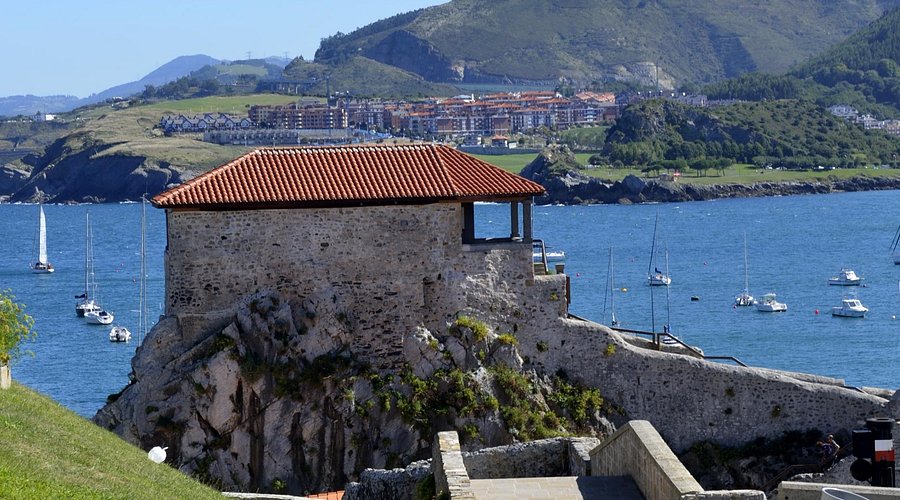
Colegiata de San Pedro de Cervatos (Campoo)
The Colegiata de San Pedro de Cervatos, in Campoo, is known among Romanesque specialists as "the cathedral of erotic Romanesque": its corbels, 24 on each wall, include explicit figures that come as a surprise on a 12th-century religious building. To see the interior, you need to call ahead, either the parish contact numbers or the Museo Diocesano (942 84 03 17). It opens the inland section of this list because it marks the start of the so-called Ruta del Románico de Campoo y Valderredible, the densest concentration of temples anywhere in Cantabria.
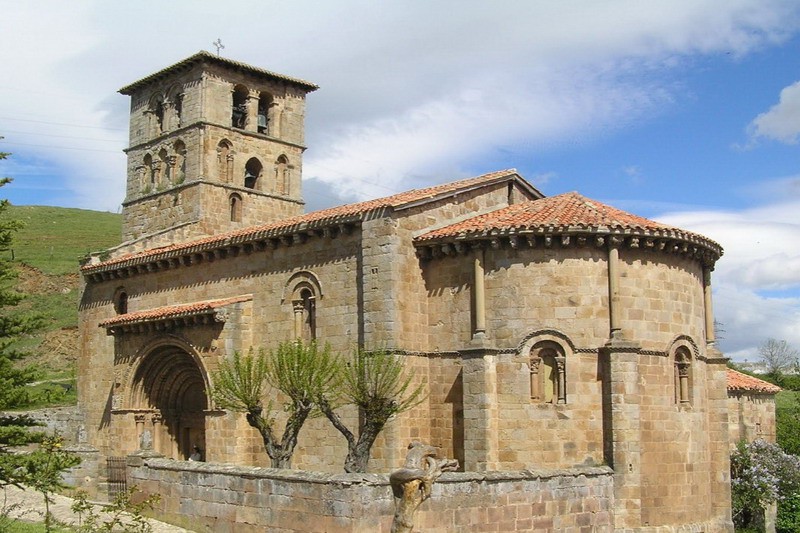
Colegiata de San Martín de Elines (Valderredible)
The Colegiata de San Martín de Elines, in Valderredible, is regarded as the Romanesque jewel of the area and was declared a National Monument in 1931. It stands out for its circular tower, unusual in Cantabrian Romanesque architecture, and for the carved corbels running along the nave and transept. Guided visits are concentrated in July and August (every day), Easter week, June and September weekends, and December long weekends, running from 10:00 to 13:30 and 16:00 to 19:30, closed Mondays. It takes seventh place for having the most reliable, structured visiting hours of the nine.
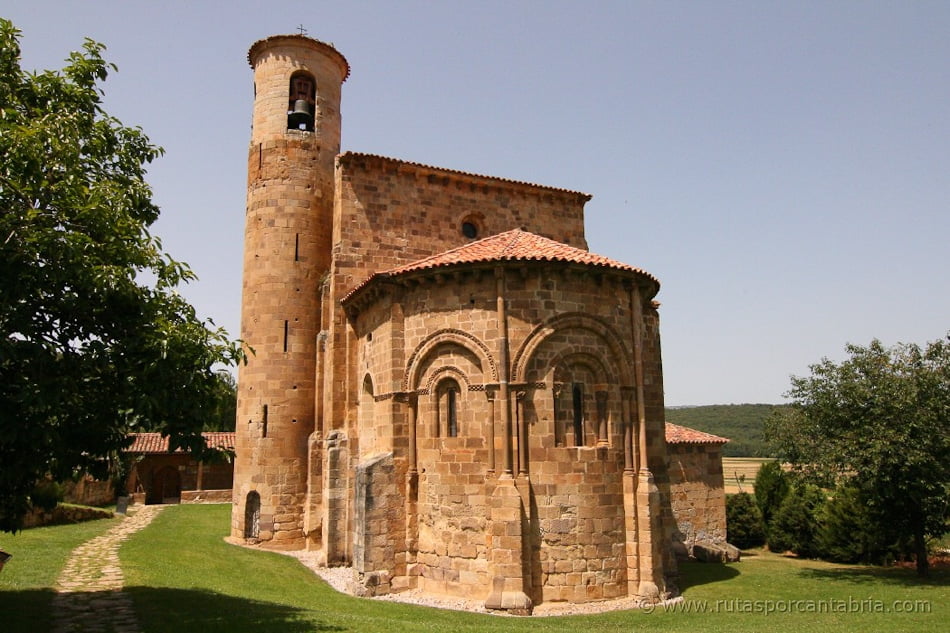
Santa María de Valverde (Valderredible)
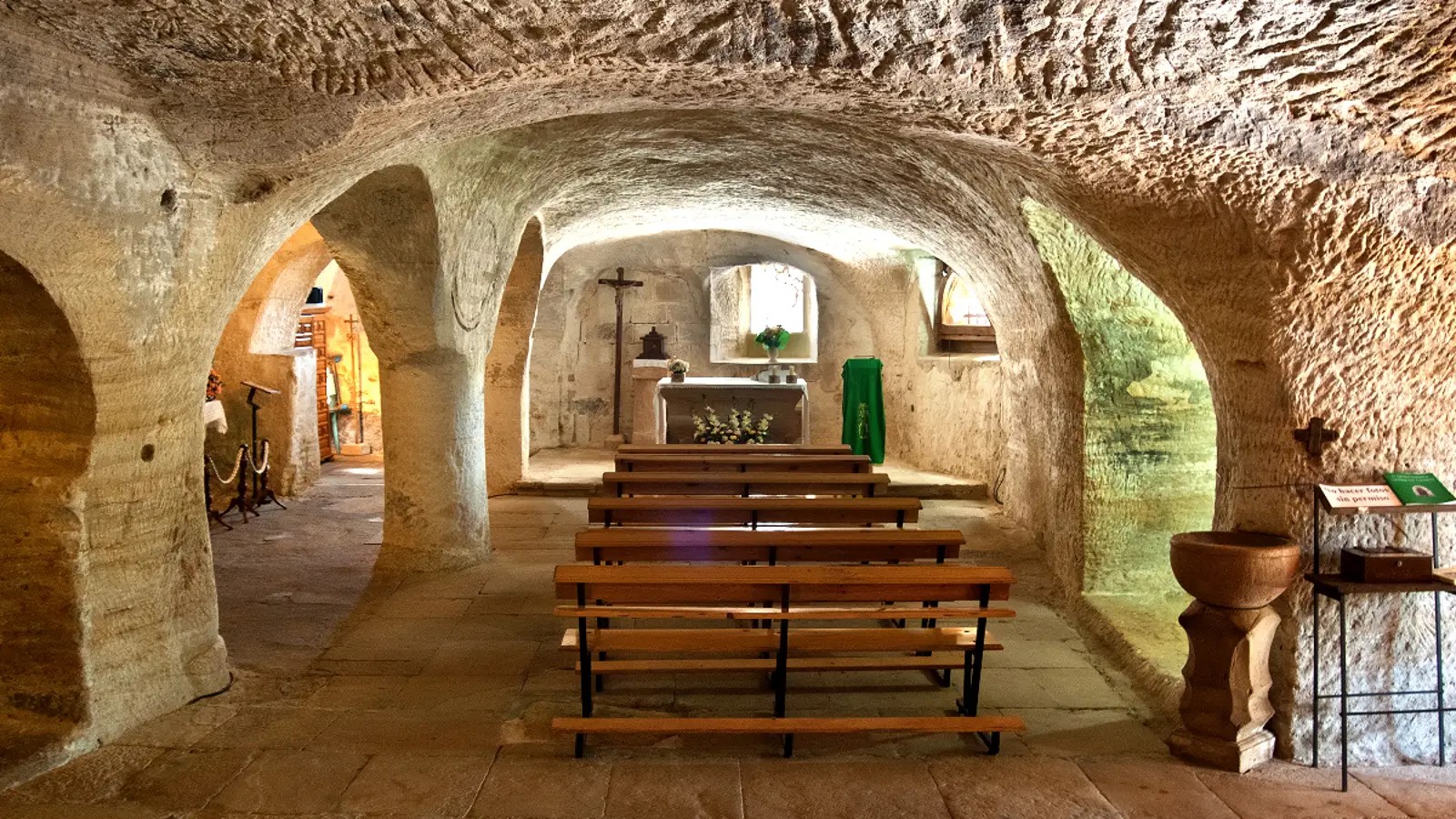
Santa María de Valverde, also in Valderredible, is one of three rock-cut hermitages in the area carved directly into the stone between the 6th and 10th centuries, and the only one still used for worship. It shares its grounds with a small interpretation center on rock-cut art, and nearby you'll find the equally rock-cut hermitages of Campo de Ebro and Arroyuelos, a short distance away. It takes second-to-last place because, of the nine, it connects most directly with a past that predates the Romanesque itself: here the stone wasn't carved into shape, it was hollowed out.
Santa María de Piasca (Liébana)
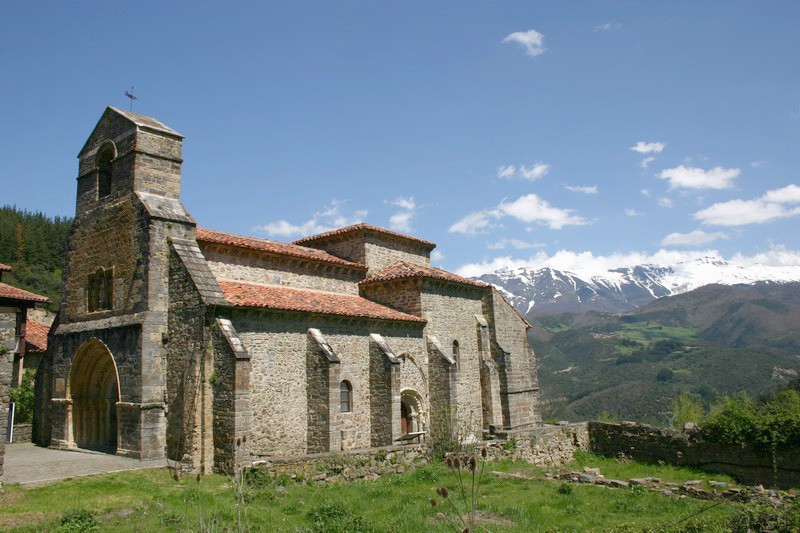
Santa María de Piasca, in Cabezón de Liébana, closes out this list with what many specialists consider the finest Romanesque doorway in Cantabria: five archivolts carved with warriors, musicians, dragons, and a Saint Michael defeating evil, the work of master Covaterio, consecrated in 1172. It was once part of a double monastery of monks and nuns governed by the Rule of Saint Fructuosus, of which only the church survives today. You can find more details from the Potes tourist office, the municipality it falls under. It closes the route because it's a stone's throw from the Picos de Europa: if you liked our guide to a day in the Picos de Europa, add this stop along the way.
What You Need to Know
Before you plan a route around these churches and hermitages of Cantabria, a few things to keep in mind. Most of these rural temples don't have fixed year-round hours: at Cervatos you need to call ahead, and at San Martín de Elines guided visits are concentrated in high season and specific weekends. The coastal hermitages — Santa Justa and San Pedruco — depend on the tide, so check the tide tables before you go. The Colegiata de Santa Juliana is the only one with stable commercial hours and a paid entry (3 euros); the rest are free or run on voluntary donations. If you're heading to Valderredible, plan for a full day: it's nearly two hours' drive from Bareyo, and it's worth combining several stops.
In Cantabria, Romanesque art isn't in a museum: it's still standing in the same village, in the same stone, right where it was left eight hundred years ago.
Nine temples, two hours' drive between the first and the last, and one idea running through all of them: the stone in this region ages well and holds small communities together for centuries. It's the same commitment to permanence we build into Bareyo Residences, designing villas meant to stay with their owners for generations. Units will be available starting September 2027.