Cantabria has its own mythology, with creatures tied to specific mountains, caves, and coastline: the protective Anjana, the giant Ojáncanu, the dragon Culebre, the imp Trasgu, and the Ventolines that help fishermen. These are the nine best-documented legends of Cantabria, each with a real place you can visit, from Anievas to Castro-Urdiales.
Long before the roads that now lead to Bareyo existed, this corner of the Cantabrian coast already had its own way of explaining what made no sense: why the sea swallowed boats without warning, why a flock would vanish in the mountain fog, or why a storm could break suddenly over the Picos de Europa. For centuries, these creatures were the answer. Cantabrian mythology gets less attention than its Asturian or Galician counterparts, but it's just as rich, and it's still alive today: in festivals declared of regional tourist interest, in waymarked mountain trails, and in sculptures you can photograph alongside their subjects.
For this list, we prioritized the nine best-documented creatures — the ones backed by serious ethnographic sources and, above all, tied to a real place you can visit: a mountain, a cave, a stretch of coast. We left out minor variants or overly local versions of the same figures. The order runs from the most benevolent to the most feared, closing with a legend tied to a specific village and cliff, just off the eastern coast.
The Anjana
The Anjana is, by far, the best-loved figure in Cantabrian mythology. She's described as a beautiful young woman, dressed in white or green depending on the season, who lives in caves beside natural springs and carries a magic wand to heal the sick, protect the forest's animals, and guide anyone lost in the mountains. Unlike other European fairies, the Anjana asks for nothing in return: she punishes those who mistreat nature but rewards generously those who respect it. She opens this list because she sums up the spirit of all Cantabrian mythology — half warning, half care: the forest gives back as much as it's given.
The Ventolín
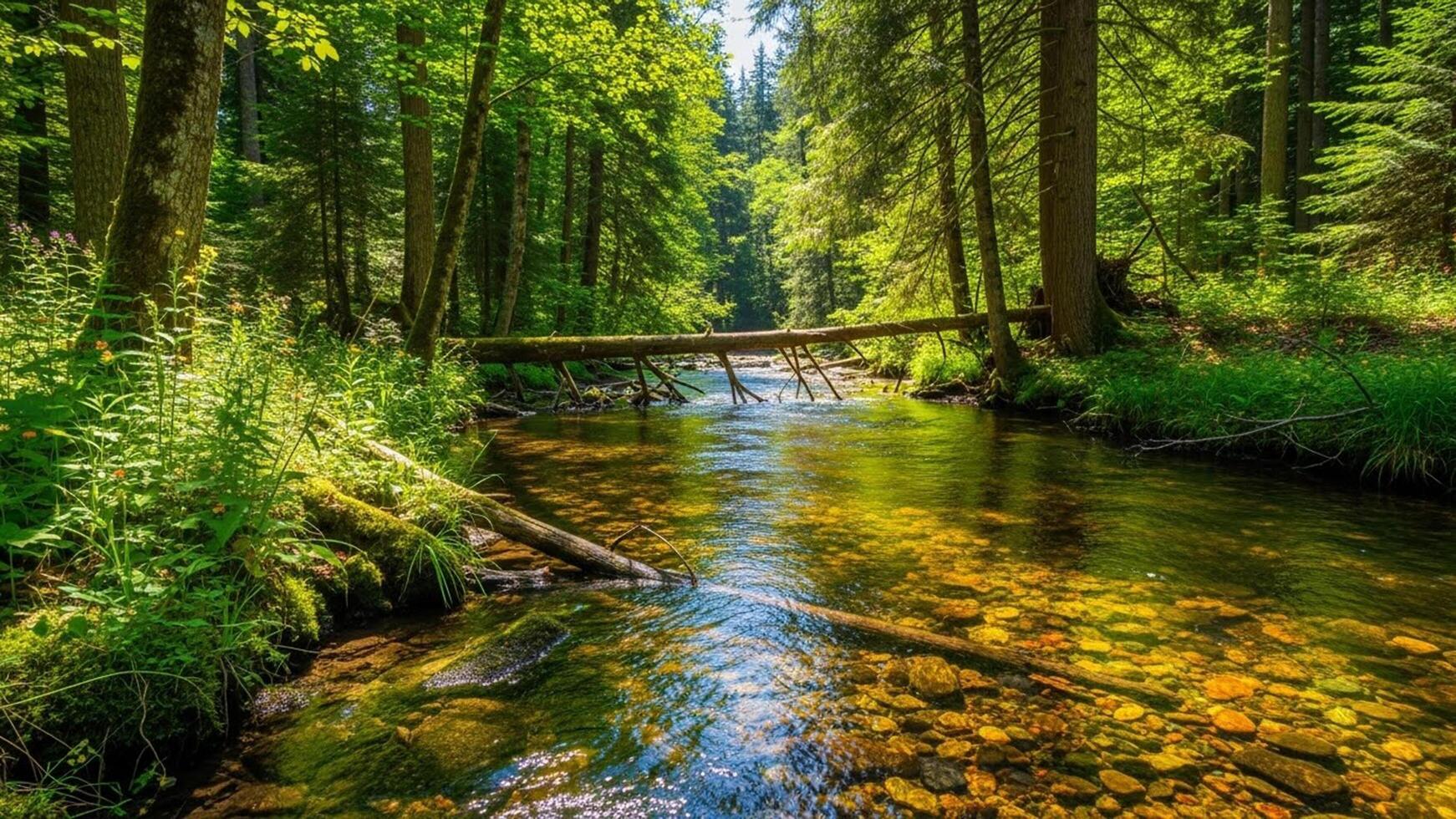
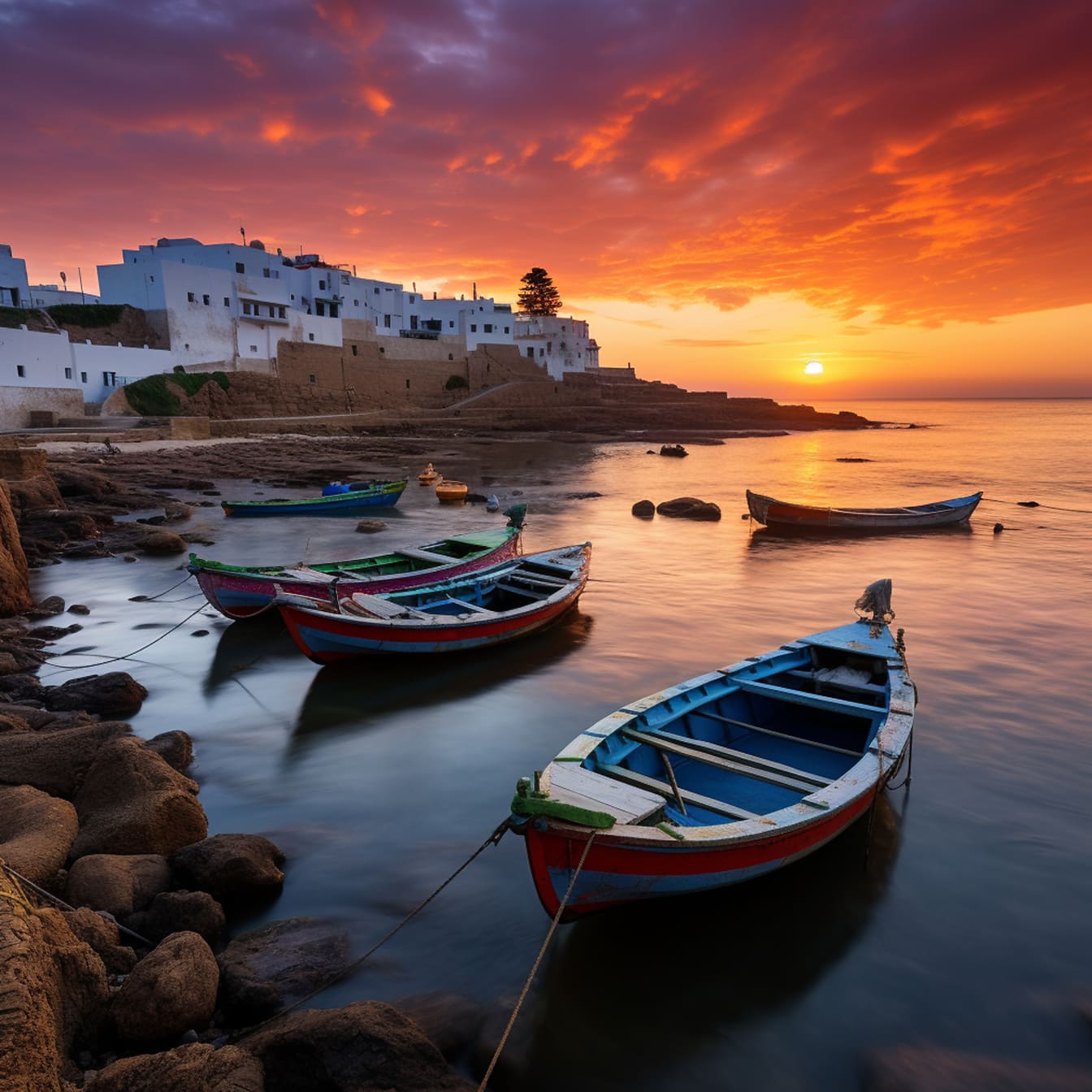
The Ventolines are tiny winged creatures with eyes the color of sea waves that help veteran fishermen haul in their nets and wrap them in their wings when the cold bites at sea. It's the legend most directly tied to the Trasmiera coast, where small-scale fishing shaped life for generations in villages like Ajo and Galizano. It takes second place for that reason: in spirit, it's the creature closest to the coastline around Bareyo, and it explains why, in fishing villages, a good catch is still quietly credited to something unseen.
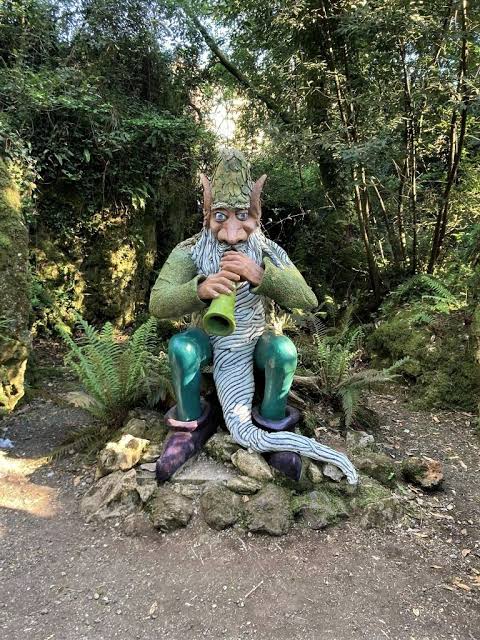
The Musgosu
The Musgosu is a tall, silent man who wanders mountain pastures wrapped in a cloak of moss, wearing a hat of leaves and shoes made of wolf hide. He plays a mournful tune on a flute to guide lost shepherds and acts as the forest's protector: he punishes careless logging or excessive hunting, and rewards those who treat the mountain with respect. He comes in third because, like the Anjana, he belongs to the group of benevolent guardians — though his presence feels more unsettling, given his silence and near-plant-like appearance.
The Trasgu
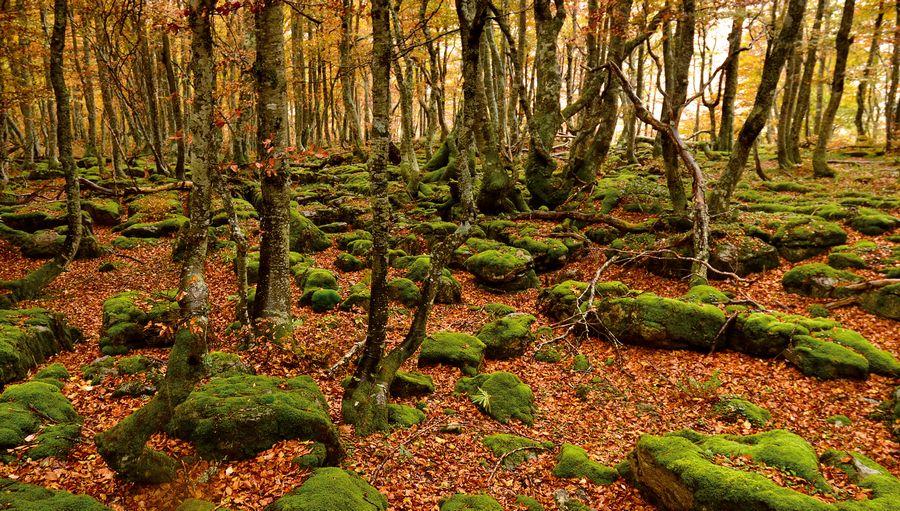
The Trasgu is a small, mischievous imp known for hiding tools, tangling the hair of sleepers, and making noise at night in the hay barns and kitchens of stone farmhouses. He isn't evil, just a nuisance: many rural Cantabrian households used to leave out food for him or avoid sweeping after dark so as not to disturb him. He marks the turning point of this list: the first figure who, without being dangerous, starts to bring in the unease of the nighttime legends that follow.
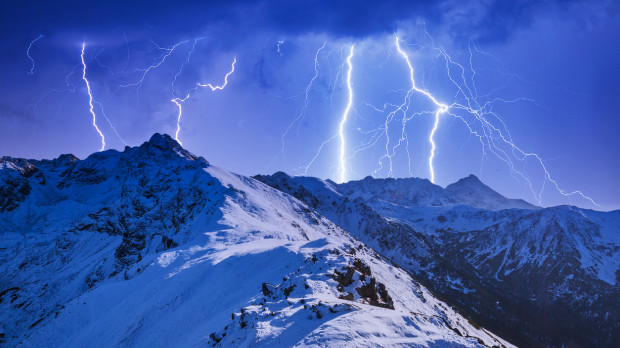
The Nuberu
The Nuberu is the storm personified: a being capable of unleashing lightning, hail, and hurricane-force winds from the peaks. His shape shifts from one telling to the next, but his role stays constant — explaining why Cantabrian weather turns without warning, and why a clear afternoon on the coast can become a full storm inland within minutes. He sits at the midpoint of this list because he marks the shift toward the more feared creatures: no longer protecting or entertaining, just a warning of nature's force.
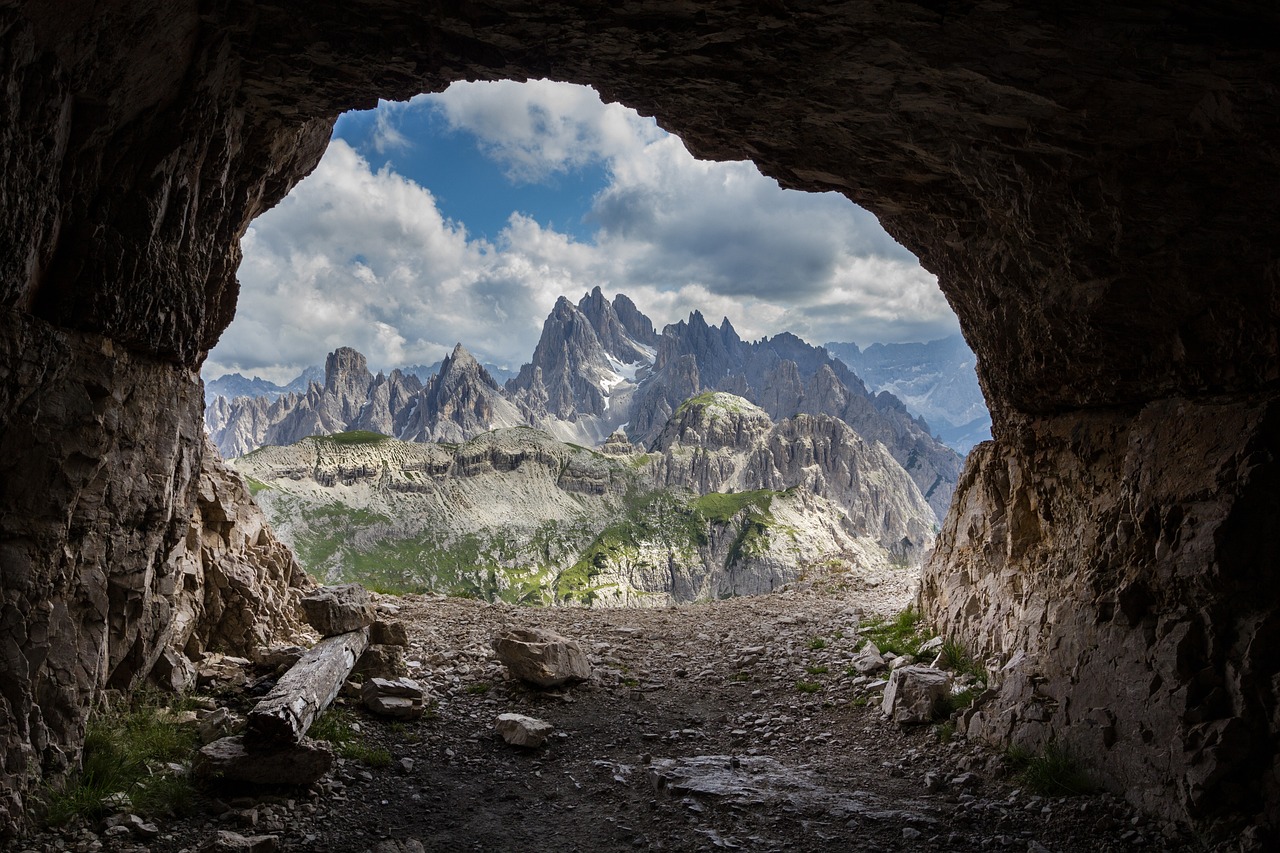
The Culebre
The Culebre is a dragon with sharp teeth, fire-and-sulfur breath, and eyes like embers, who lives hidden in caves guarding treasures no one has ever managed to recover. It's the creature that claims more of Cantabria's caves and grottoes than any other in oral tradition, from the interior to the coast. If its hiding spots have piqued your curiosity, our guide to caves in Cantabria covers six real caves you can actually visit, with opening hours and prices. It takes seventh place because, frightening as it is, its motive is hoarding treasure, not doing harm for its own sake — something that changes with the two legends that close out the list.
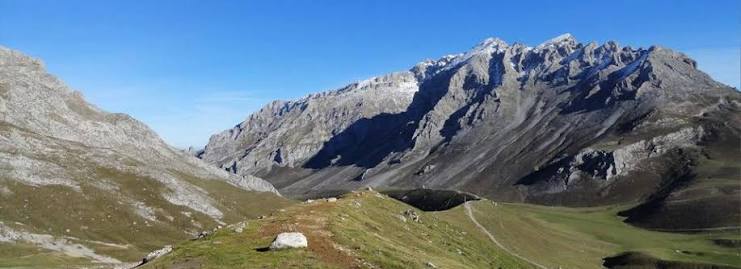
The Ojáncanu
The Ojáncanu is the most feared figure in Cantabrian mythology: a one-eyed giant of tremendous strength, clumsy but brutal, who lives in caves and inhospitable mountain terrain. Legend has it he can only be defeated by tearing out his single eye, almost always thanks to the cunning of the Anjana, who appears in several versions facing him down to protect travelers and shepherds. He takes second-to-last place because he represents, without nuance, the mountain's brute force: the necessary counterpart to the Anjana who opens this list.
The Guajona
The Guajona is a thin old woman dressed in black, with a single long, sharp tooth she uses to bite the necks of sleeping children and young people and drink their blood as they sleep. She only comes out at night and enters homes where there's health and youth, leaving her victims weak on waking. Of the nine, it's the legend with the closest kinship to classic European horror, which is why it takes eighth place: there's no ambiguity with the Guajona, unlike with the Ojáncanu or the Culebre.
The Sirenuca
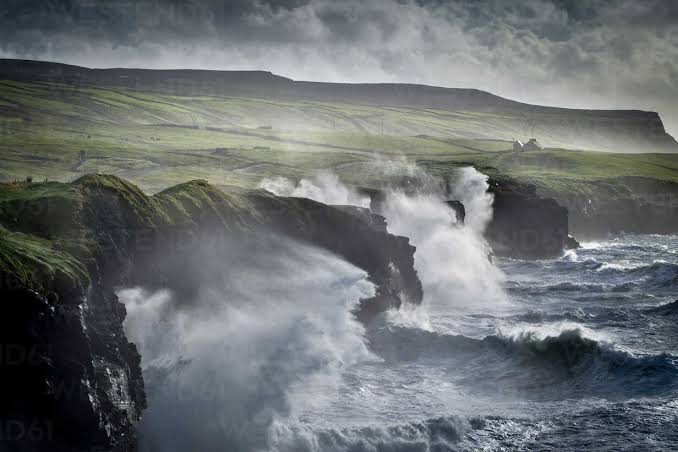
The Sirenuca closes this list with a place name attached: she was a disobedient, willful young woman who loved climbing the most dangerous cliffs of Castro-Urdiales to sing along with the waves, until she was transformed into a sea nymph as punishment. Unlike the eight legends before it, hers is anchored to a specific, visitable stretch of coast — the same one now walked by those chasing sunsets on the eastern shore. It closes the list because, like the Ventolín that opened the coastal block, it brings Cantabrian mythology back to a real place: the sea you can see from Bareyo.
What to know
These Cantabrian legends don't stay in the books — there are several ways to experience them on the ground. In Barriopalacio de Anievas, the Museo Mitocasuca explains the origin of these creatures year-round, and on the weekend before August 15, the town hosts "Un Pueblo de Leyendas" ("A Village of Legends"), a reenactment declared of regional tourist interest. In Solares, the Mina Pepita park brings together sculptures of the best-known characters in a free public space. There are also themed hiking routes, like the Monte Tejas trail in San Felices de Buelna or the Monte Hozarco trail in Peñarrubia, designed for families. To plan any of these visits, the official Turismo de Cantabria website lists the routes and activities running each season.
Every creature in Cantabrian mythology answers the same question: what to do with a land of mountains and sea that has never been fully tamed.
Many of these legends share something with the Bareyo coastline itself: they were born from a direct relationship with nature, with nothing in between. At Bareyo Residences, we've tried to keep that same closeness; our villas are built without crowding the land, letting the landscape — the same one that inspired the Ventolines and the Sirenuca — remain the main character. Units will be available starting September 2027.