Samuín is Cantabria's version of Halloween: a tradition of Celtic origin, tied to Samhain, celebrated on the night of 31 October into 1 November. It involves carving pumpkins or turnips into skull shapes, lighting them with candles, and walking through villages in nighttime processions like the Güeste.
Long before plastic pumpkins and horror films reached Spain, villages in northern Cantabria were already hollowing out turnips and pumpkins to ward off spirits. This is Samuín, the Cantabrian name for the Celtic Samhain, the new year of the peoples who settled the Atlantic Arc — from Scotland to Portugal, taking in Ireland and the Cantabrian coast — marking the end of the harvest and the start of the dark season.

The tradition survived in the memory of the older generations in valleys like Valderredible, and in recent years several villages and venues across Cantabria have revived it as a celebration of their own, with lit pumpkins at crossroads, in cemeteries and on doorsteps. You don't need to travel far from Bareyo to experience it: between late October and 1 November, the area fills with details that are a reminder that the Halloween we know today actually has Cantabrian roots.
The Celtic Samhain that crossed the Cantabrian Sea
The origin of Samuín lies in Samhain, a Gaelic word meaning "end of summer". For the Celtic peoples, this night marked the passage from the season of light to the season of darkness, and it was believed the boundary between the world of the living and the dead grew thinner. Cantabria shares that Atlantic heritage with Ireland, Scotland, Wales, southwest England, Brittany and northern Portugal. As the official Cantabria Tourism portal points out, Samuín is proof that this special night didn't arrive from the United States — it was already being lived here centuries ago, under a different name and a different accent.
Warty pumpkins and the Güeste: how Samuín is celebrated
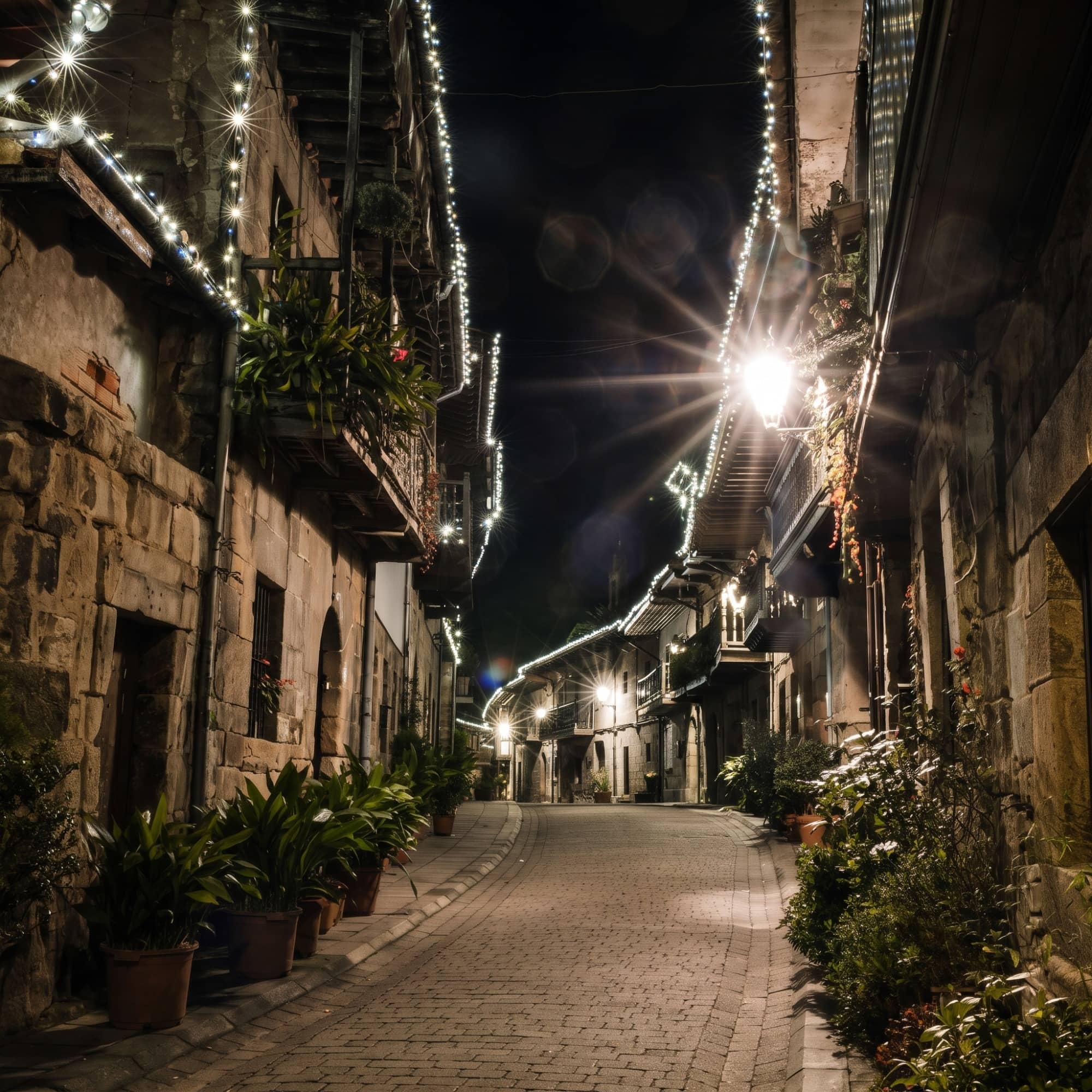
The central act of the celebration is hollowing out and carving pumpkins of the warty variety — or turnips, in the older version — shaping them like skulls and placing a candle inside. They were traditionally set at crossroads, in vegetable gardens and on doorsteps, both to guide and to ward off spirits. After the magosta, the roasted-chestnut gathering for the dead, some villages held the Güeste: a nighttime procession of locals covered in white sheets and carved skulls who walked through the streets smearing façades and sowing a bit of ritual fear, very similar in spirit to what we now call "trick-or-treating".
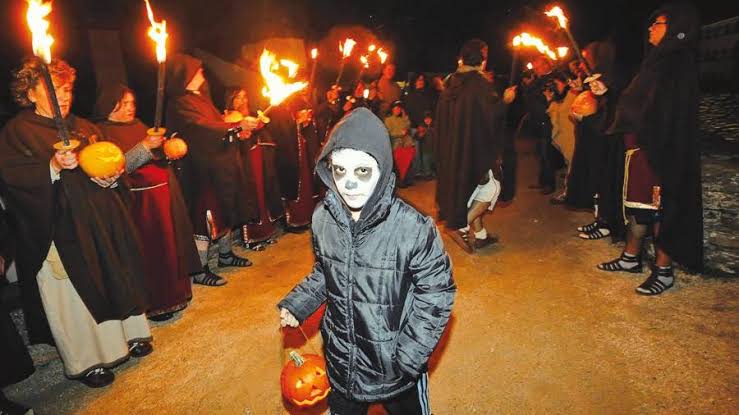
Where to experience Samuín in 2026 near Bareyo
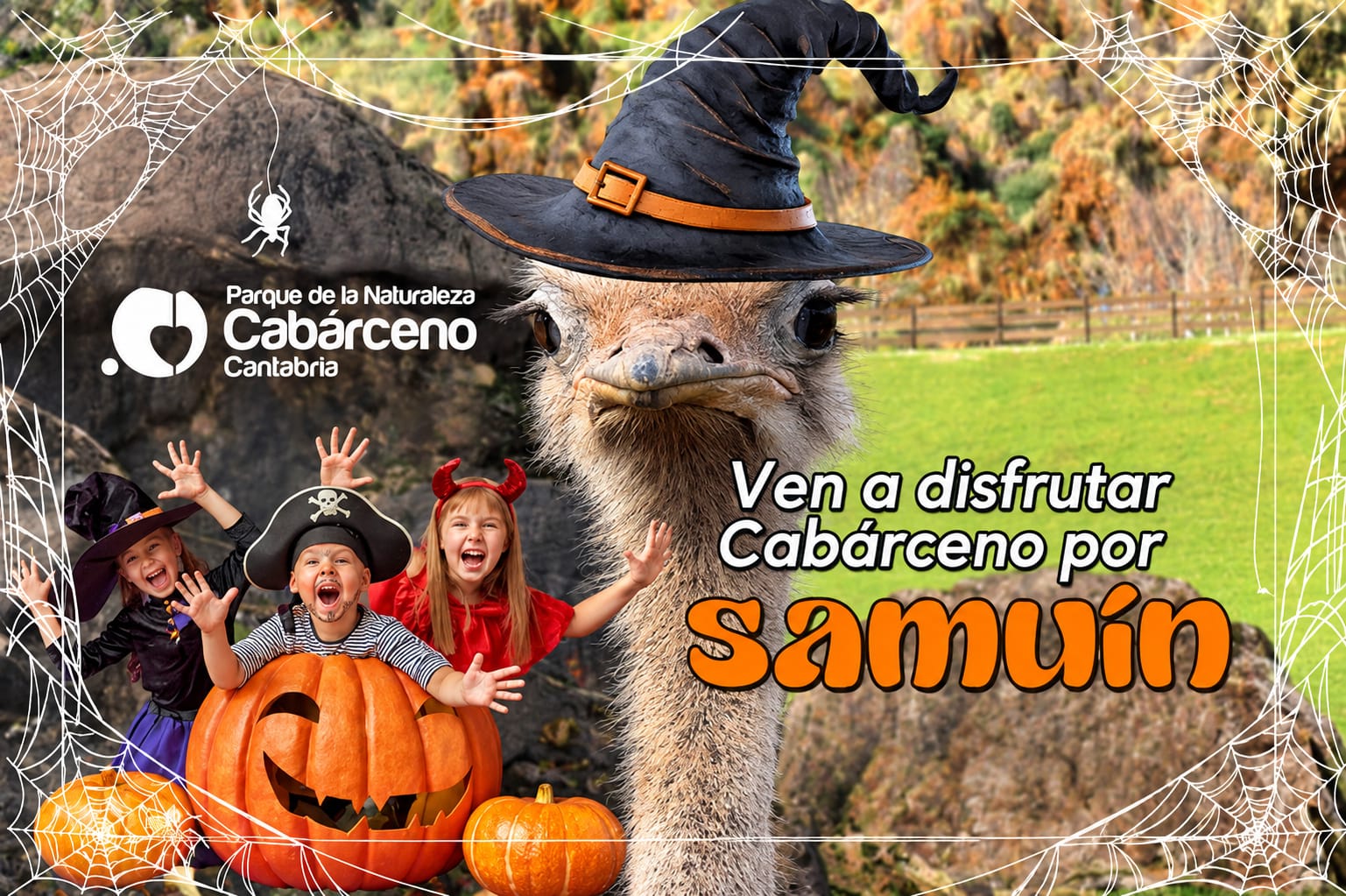
Cabárceno Nature Park, a little over half an hour from Bareyo, puts on its own version of the celebration with nighttime activities, puzzles and a spooky atmosphere throughout its grounds — a safe and highly visual way to introduce the tradition to younger children. Further south, Valderredible — one of the valleys where the memory of the festival stayed most alive across generations — also usually schedules activities around 31 October. Other towns in the region, such as Santa María de Cayón, have revived the celebration with pumpkin-carving workshops and street parades for all ages. If you enjoyed this tradition, don't miss our guide to the magostas, the chestnut festival that announces autumn, another essential date on the Cantabrian calendar around this time of year. It's worth checking each town council's programme in advance, since dates and times vary from year to year.
What you need to know
The key date for Samuín is the night of 31 October into 1 November, coinciding with the All Saints' weekend. If you're bringing children, pumpkins can be carved at home with a small knife under adult supervision: the warty variety, rougher-skinned and more elongated than the American pumpkin, is the most traditional but also harder to hollow out, so a regular pumpkin works just as well. For the Güeste and other nighttime processions, dress younger children warmly, since late October evenings already turn cool in Cantabria, especially inland.
«Long before plastic masks, Cantabria already had a magical night that celebrated the mystery between life and death»
An autumn night to remember on the Trasmiera coast
October and November are months of contrasts on the Trasmiera coast: rougher seas, short afternoons and that golden light only a Cantabrian autumn gives. After walking through a village lit with carved pumpkins or visiting the Cabárceno celebration, returning to somewhere quiet by the sea is the best way to end the day.