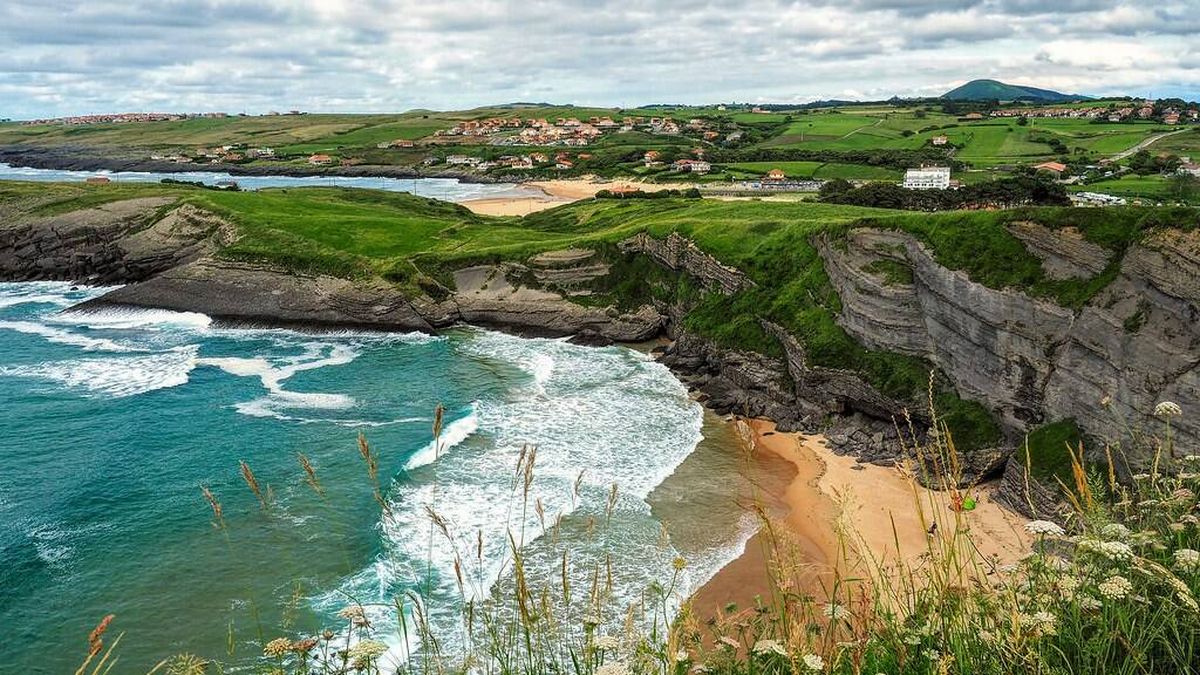
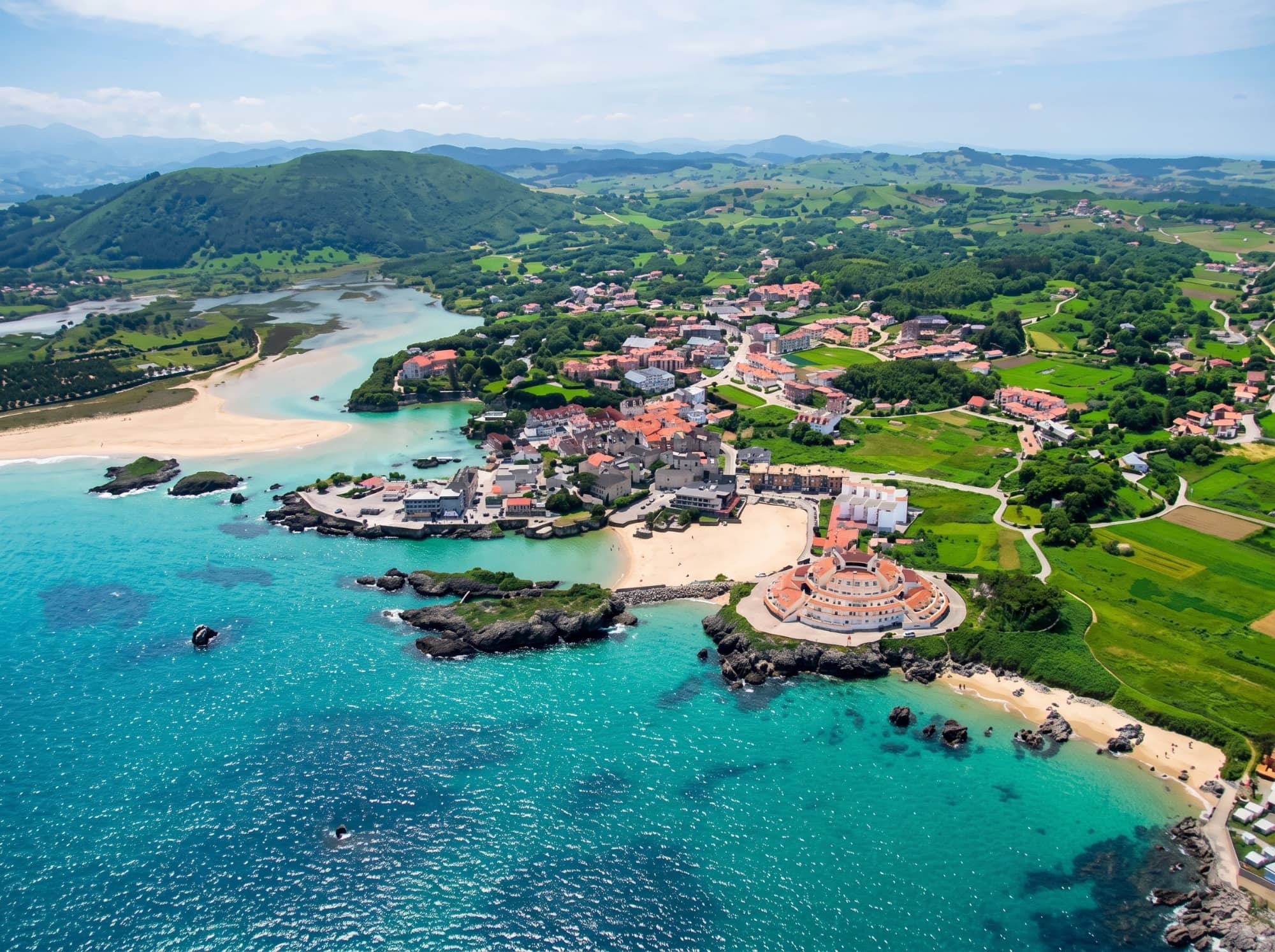
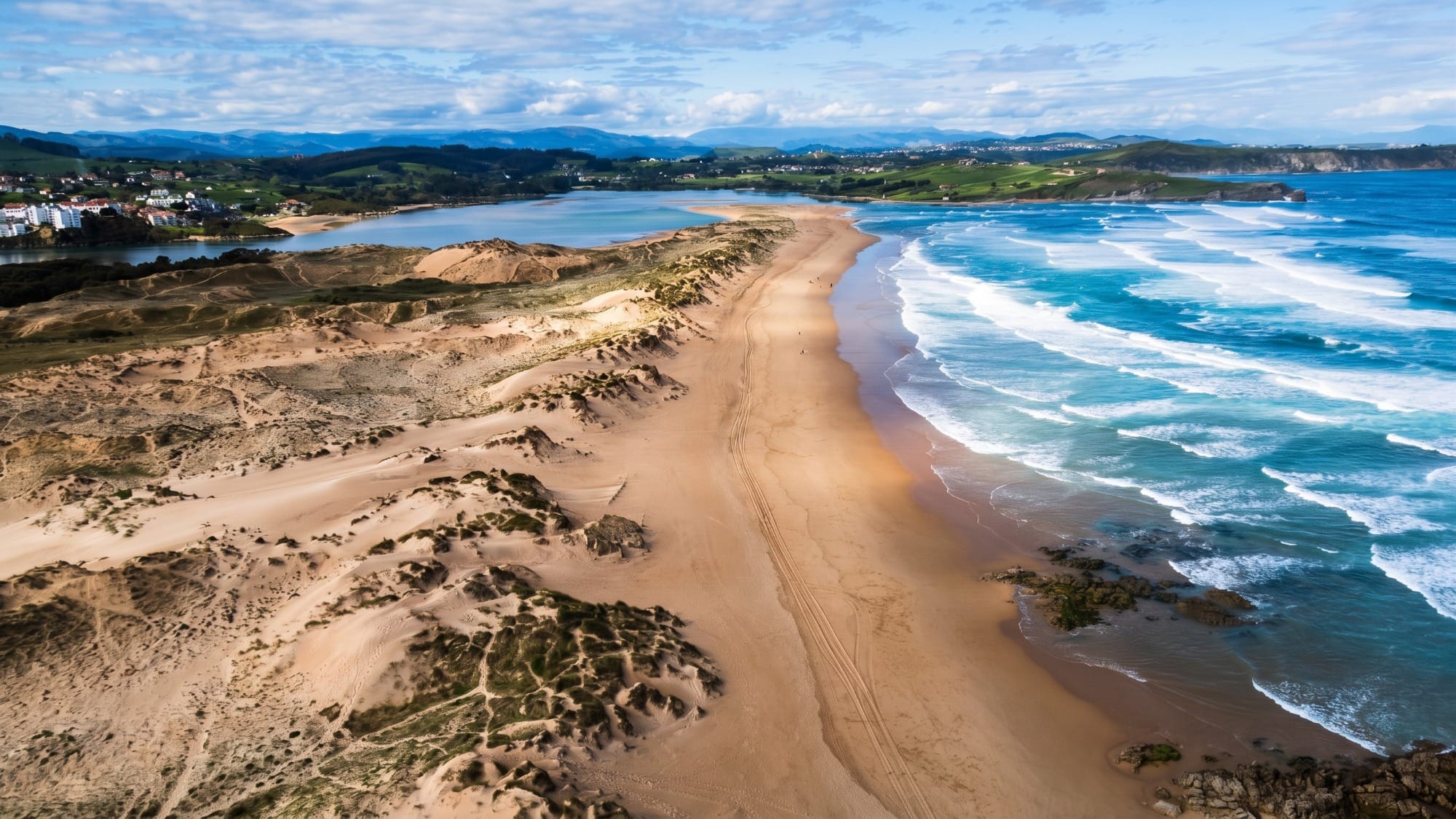
Playa de Ajo, also known as Playa de Cuberris, is the nearly one-kilometre stretch of golden sand that gives Bareyo's main town its name. It has protected dunes, parking right by the shore, showers and lifeguards in high season, and by September it's usually almost empty.
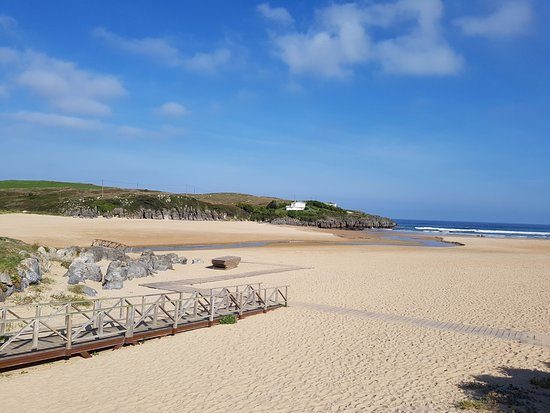
When someone mentions “the beach at Bareyo”, they almost always mean this one. It's less than three kilometres from the centre of Ajo and shares its shoreline with the Ría de Ajo, the marsh that separates the beach from the headland where the lighthouse stands. It isn't Cantabria's most photographed beach, nor the one that draws the most tourists in August, and that's precisely its advantage: especially outside July and August, it's still a place where you can park without circling around and lay out a towel without treading on anyone else's. It also doesn't have the swell that surfers are after, so it tends to stay off the routes followed by the surf schools clustered around Langre or Galizano — another reason it keeps more the feel of a locals' beach than a guidebook stop.
Direct vehicle access right down to the shoreline, unusual for Cantabrian beaches, also makes it a comfortable option for anyone who'd rather not carry sunshades and coolers on foot. In return, the surrounding area keeps a dune system that the town council actively protects, so it's worth sticking to the marked paths.
Where Playa de Ajo is and how to get there from Bareyo
The beach is in the municipality of Bareyo, right on the Trasmiera coast, about 3 km from the centre of Ajo and just over ten minutes by car from Bareyo Residences. It's listed in the official Cantabria Tourism beach guide under the name Playa de Ajo o Cuberris. The most direct way to get there from the Cantabrian motorway (A-8) is to take exit 185 (Beranga) or exit 182 (Gama) and follow the signs for Isla and Playa de Cuberris along well-marked local roads. The car park sits right next to the sand, so there's no need to walk long stretches with children or beach gear.
Golden sand, dunes and a ría that separates two worlds
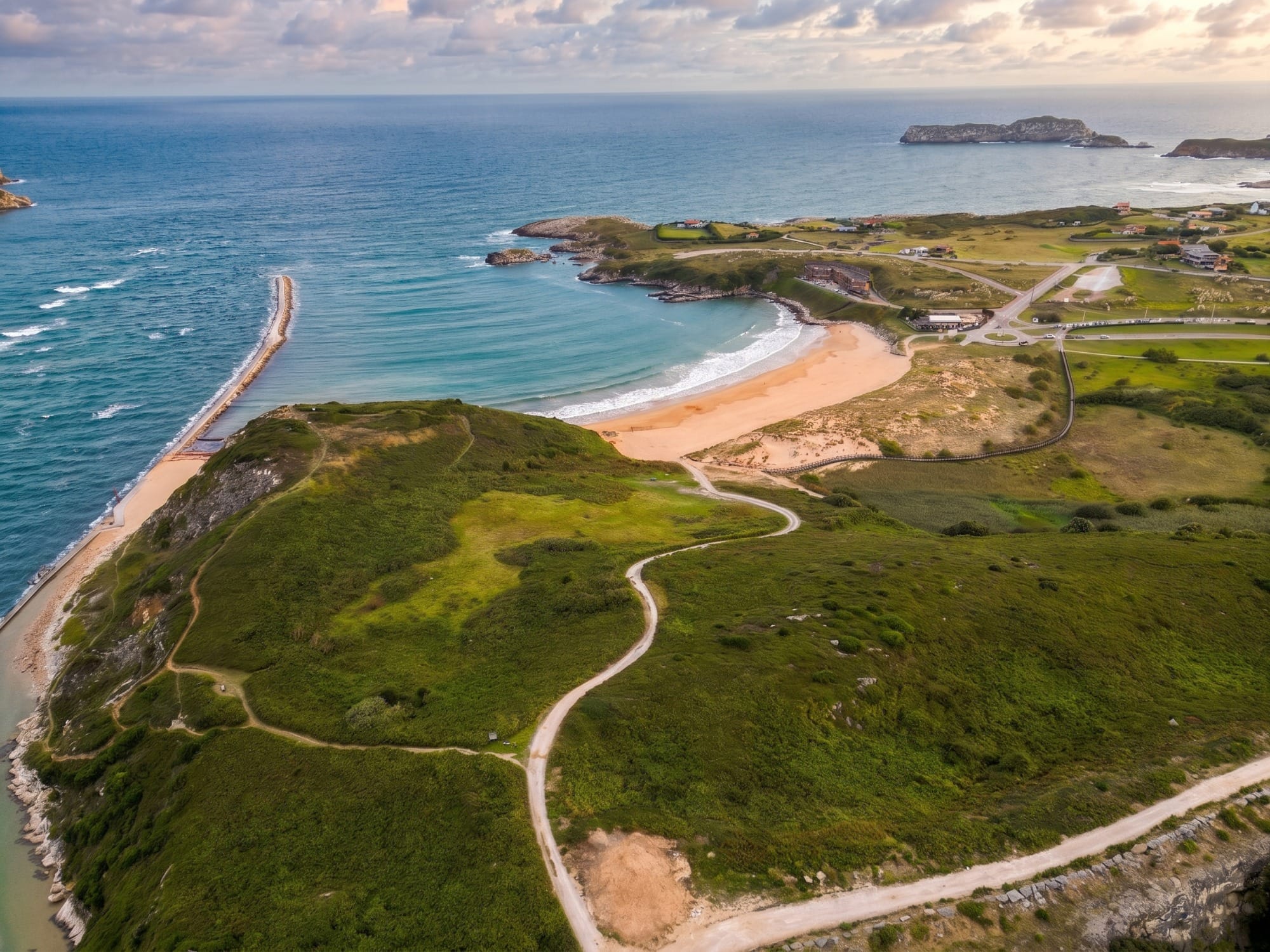
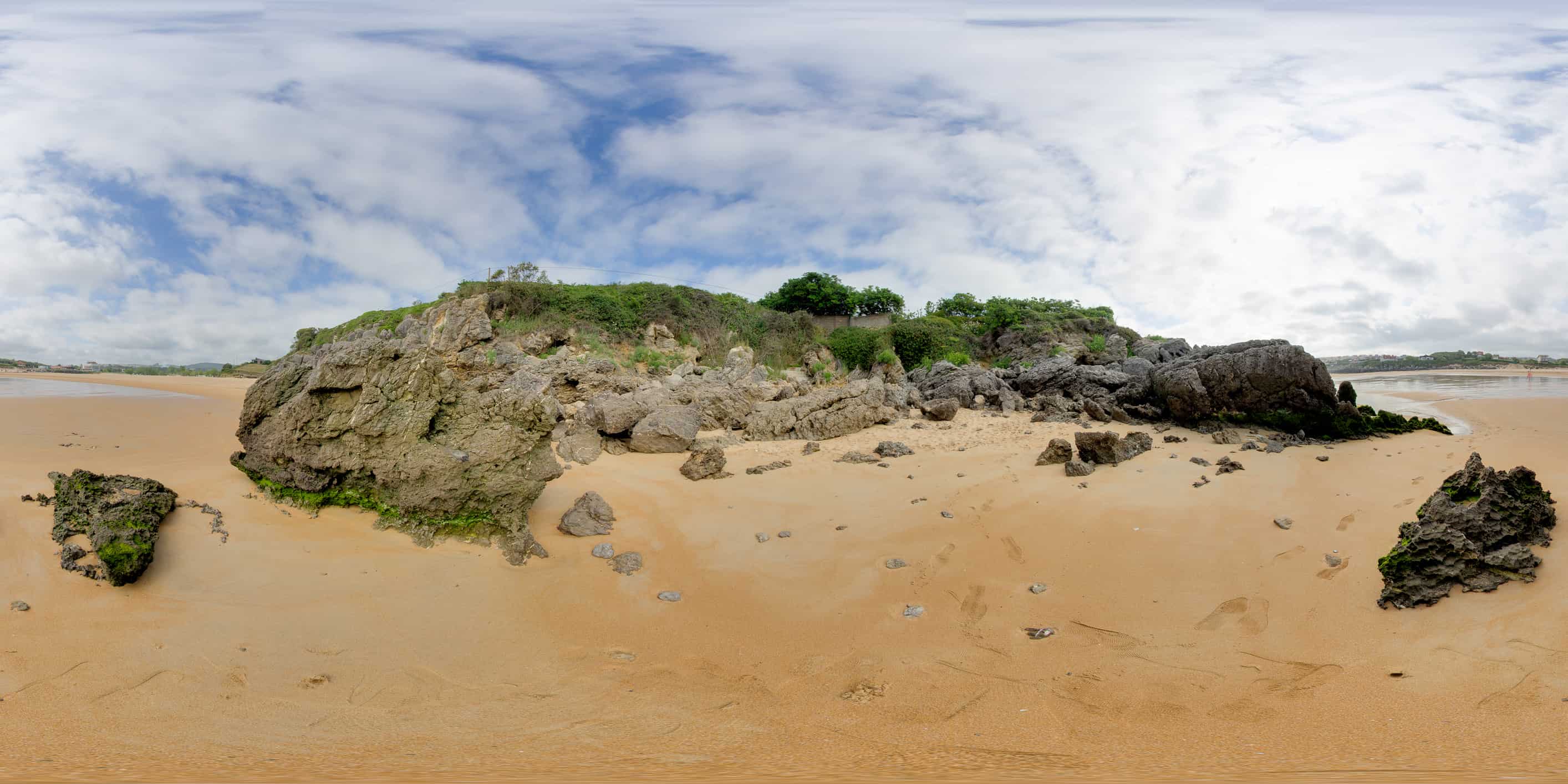
The colour of the sand, more golden than the usual grey of other beaches in the area, is the first thing that catches the eye. Behind the beach stretches a line of dunes with native vegetation that acts as a natural barrier and forms part of the protected areas along the Trasmiera coast. At its eastern end, the beach borders the mouth of the Ría de Ajo, a marsh of great ecological value that separates Cuberris from the headland where the Ajo Lighthouse stands, visible from the sand itself on clear days. Walking along the shore towards that end at low tide, you can easily reach the point where the ría opens out to the sea, a good spot to watch wading birds feeding in the mud as the water drops.
Facilities: showers, a beach bar and lifeguards in season
Despite still being fairly uncrowded, the beach has basic facilities: showers, toilets and a seasonal beach bar that opens during the busiest months. Lifeguard cover runs during the official high season, usually until mid-September, so it's worth checking the flag before swimming outside those dates. The swell tends to be gentler than at open beaches like Langre or Berria, making it comfortable for family swimming, though it's worth watching the tide, which changes the width of the sand quite a bit at Cuberris. Direct vehicle access to the shore also makes it easy to leave chairs and a sunshade without carrying them, which is especially welcome if you're travelling with young children or older relatives.

The best time to go in September
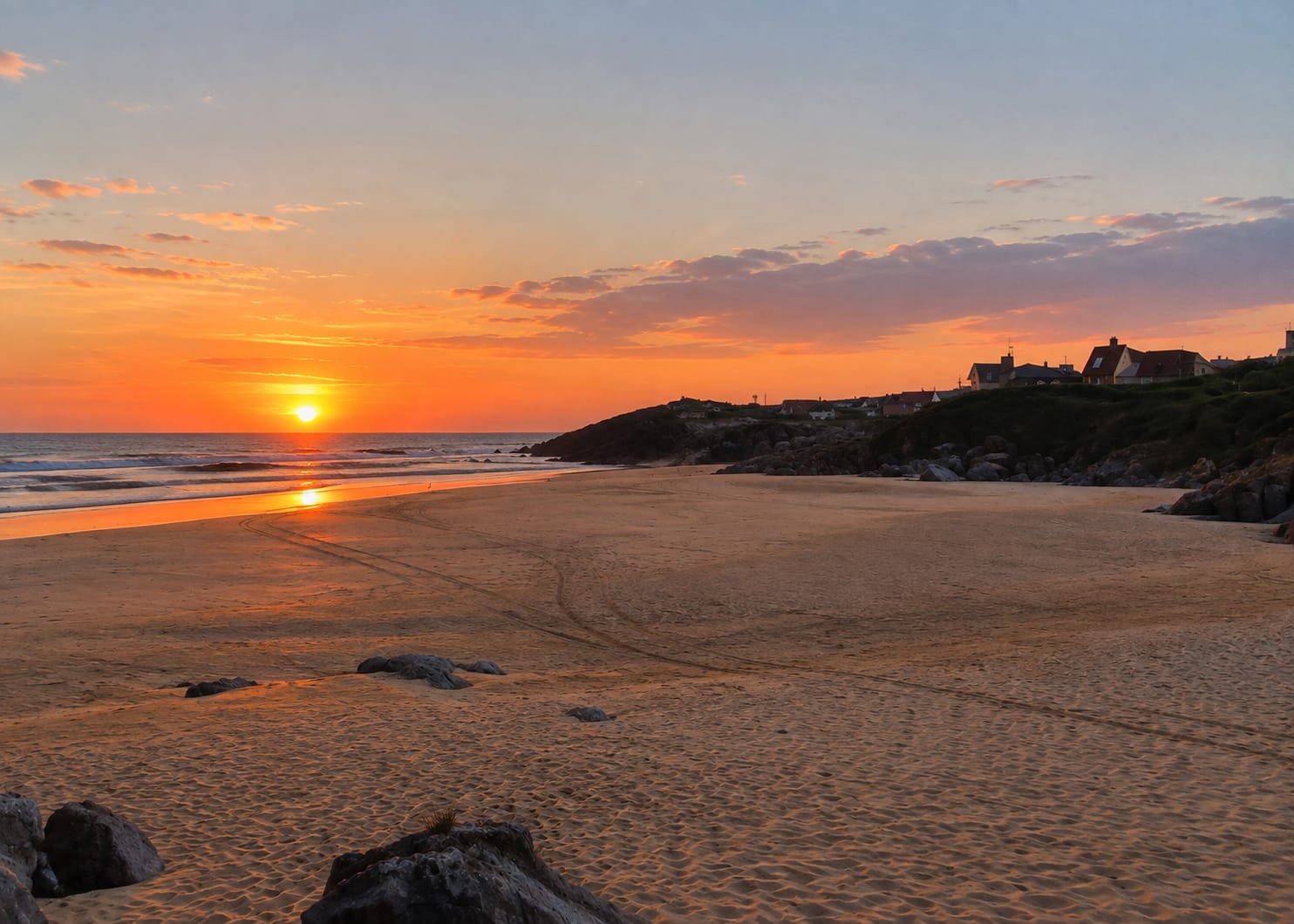
With September temperatures between 18 and 25 degrees and most of August's bookings already wrapped up, Playa de Ajo hits its best moment of the year. Low-tide mornings leave a wide stretch of sand that's practically yours alone on weekdays, and afternoons, without the height of summer heat, are perfect for walking to the ría or sitting down to watch the sun set over the Cantabrian Sea. September is also a month when it's still worth checking the beach bar's opening hours before heading over, since some seasonal businesses start cutting back days as the month goes on.
What you need to know
- Access: A-8 exit 185 (Beranga) or 182 (Gama), then a signposted local road to Isla/Cuberris.
- Parking: free, right by the shore.
- Facilities: showers, toilets, seasonal beach bar.
- Lifeguards: on duty in high season, usually until mid-September.
- Sand type: golden, with protected dunes at the back of the beach.
- Distance from Bareyo Residences: about 10-12 minutes by car.
“At Cuberris, the tide calls the shots: when it goes out, the sand multiplies; when it comes in, the beach draws back against the dunes.”
Having a beach like this ten minutes away is one of those details you only fully appreciate when you live close by, without depending on seasonal hours or finding a parking spot. If you liked Cuberris, don't miss our guide to the Ría de Ajo, the protected marsh right next door. At Bareyo Residences, we designed the villas with exactly this in mind: so that the Trasmiera coast — its beaches, its ría, its dunes — becomes part of everyday life rather than a one-off getaway.