The north and the Mediterranean offer very different holidays: in Cantabria, August temperatures hover around 22ºC, compared to 29-30ºC in Málaga or Alicante, and there's much less crowding on beaches and in villages. According to a 2026 survey, 38% of Spaniards now choose the north as their first choice for summer holidays.
Every July, thousands of Spanish families ask themselves the same question: the usual Mediterranean, or try the north this time? The answer has been shifting in recent years. Cantabria and the rest of the Cantabrian coast have stopped being the fallback for people who can't stand the heat and have become the first choice for a growing number of families, and the 2026 figures confirm it.
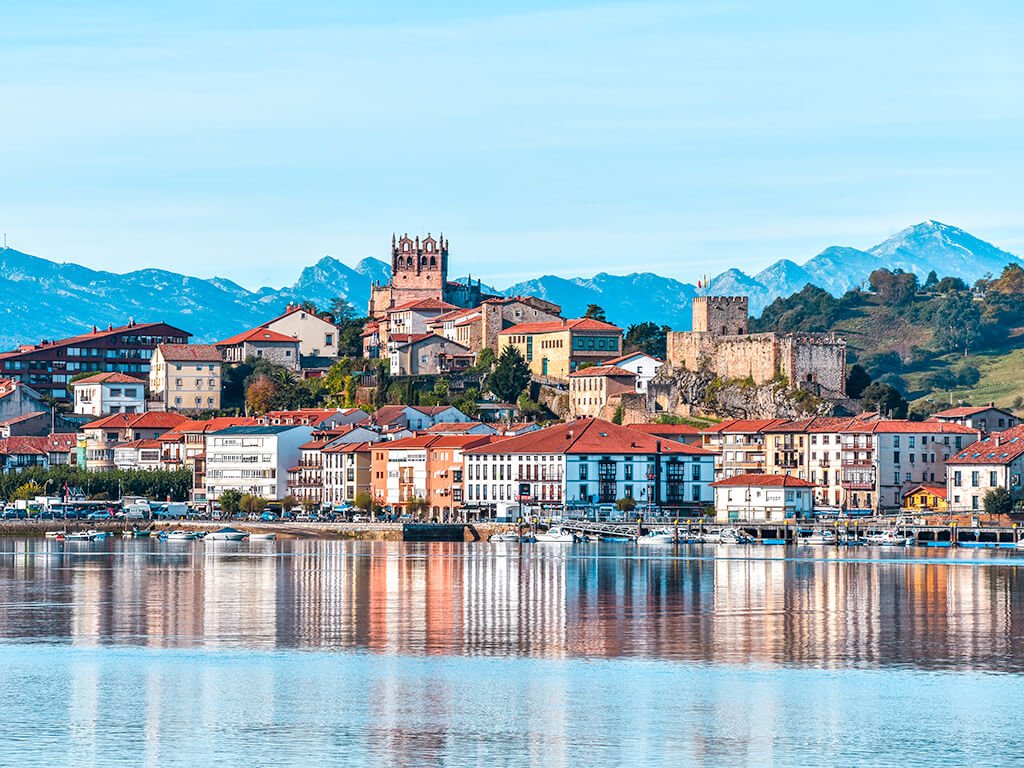
It isn't a passing trend. Compared calmly (climate, beach capacity, nature on offer and real experience with children) the Cantabrian coast beats the Mediterranean on several fronts, especially in the middle of August, when the difference is most noticeable. Here we go through that comparison point by point, without skipping over where the Mediterranean still wins.
The conclusion, we'll say it upfront, leans towards the north for families, but it's worth seeing why, with the data, before booking anything.
Climate: why the Cantabrian coast feels different from the Mediterranean in August
In August, Santander averages around 22ºC for a high and 18ºC for a low, compared to the usual 30ºC highs in Málaga or 29ºC in Alicante. The difference is especially noticeable with young children: less risk of overheating during the middle of the day, easier naps, and nights where you don't need air conditioning to sleep well. The water on the Cantabrian coast, however, is cooler and rarely goes above 19-21ºC in summer, so it's worth warning anyone expecting a bathtub-warm swim.
Less crowding, more room for the kids
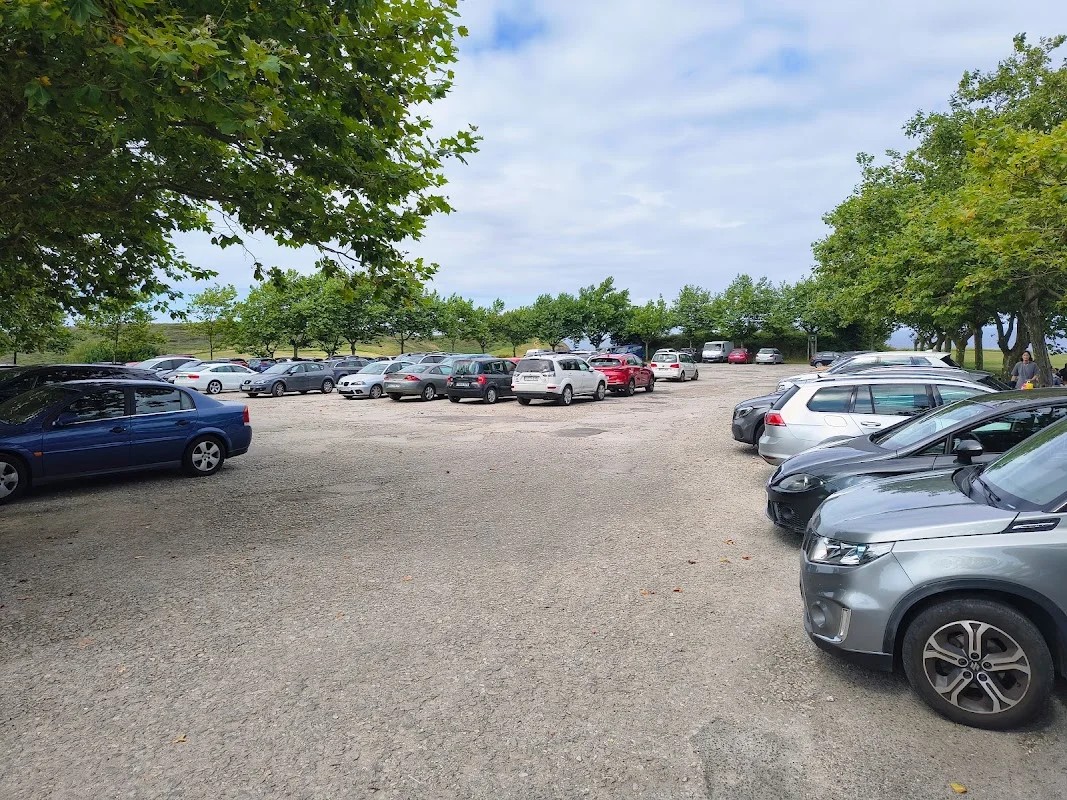
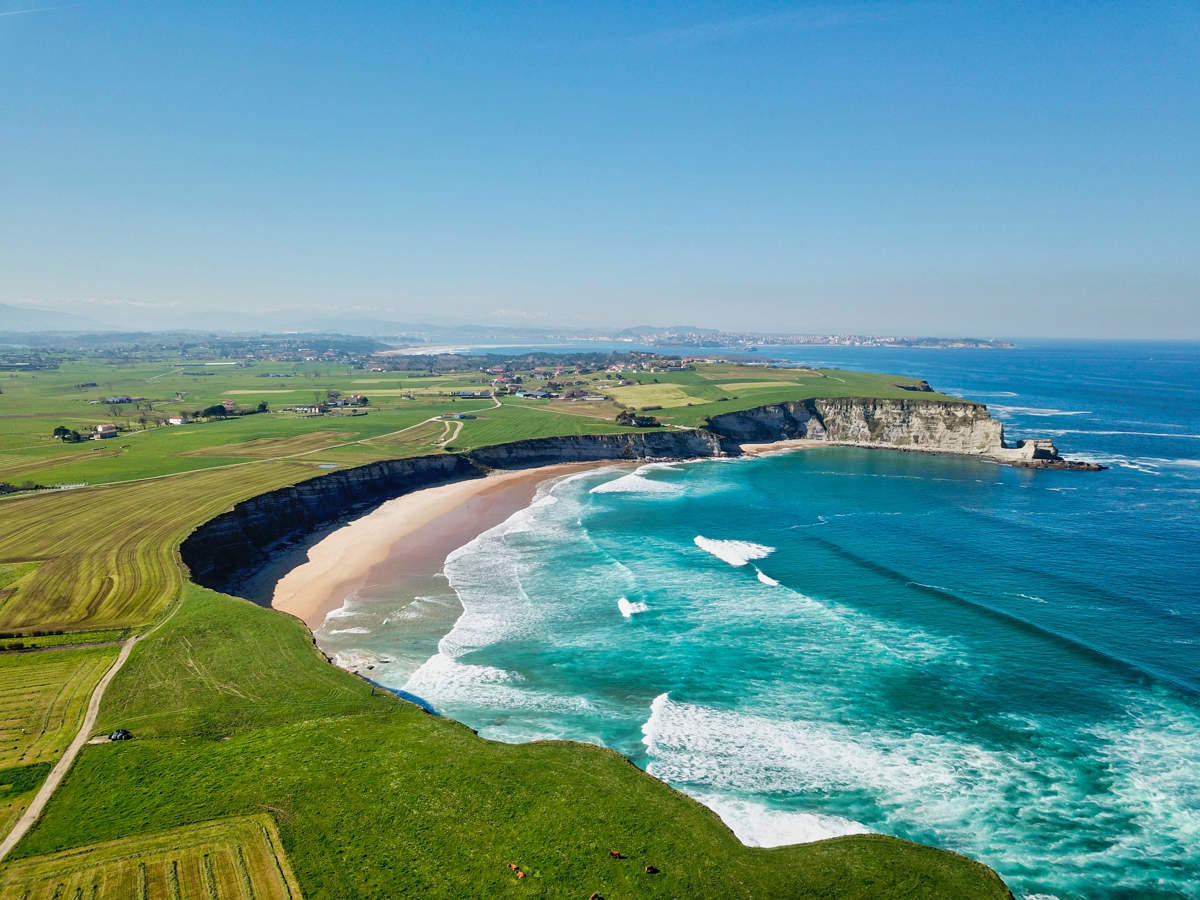
According to a 2026 survey of more than 2,000 Spaniards, 67% will spend their summer holidays within Spain, and 38% already rank Galicia, Asturias, Cantabria and the Basque Country as their first choice, a figure that keeps growing each year. Even so, tourist pressure on the Cantabrian coast remains much lower than on the Mediterranean in the middle of August: it's easier to find space on the sand, a table at a seafront restaurant, or parking near the beach without arriving before nine in the morning. For a family with young children, that means fewer queues, less waiting around, and fewer meltdowns over heat or a lack of space under the neighbouring parasol.
Nature and plans that don't depend only on the beach
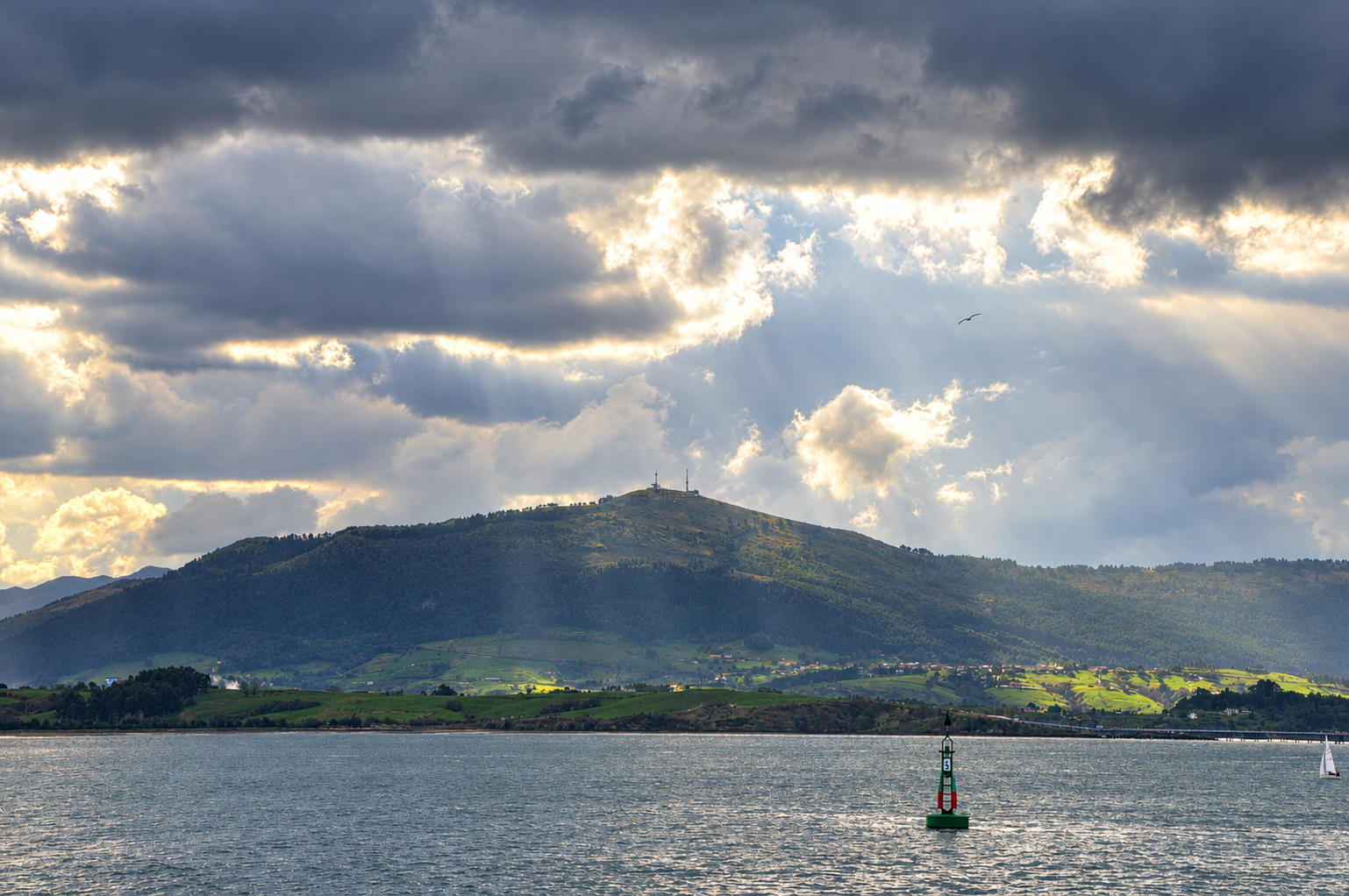
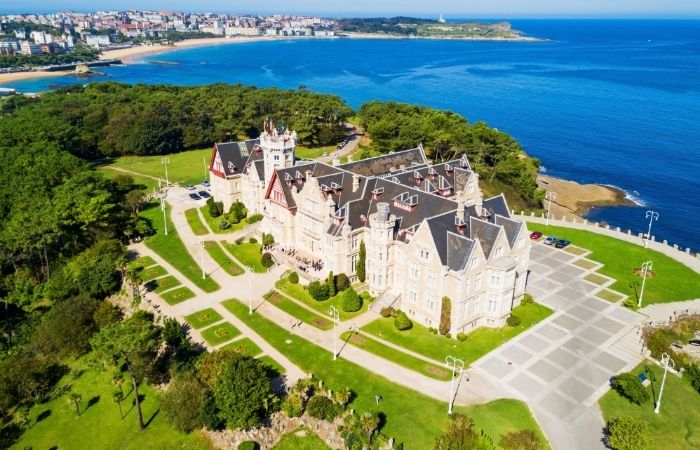
On the Mediterranean, the plan almost always revolves around the beach. In Cantabria, the beach is just one piece of the puzzle: within under an hour you can reach the Picos de Europa, villages like Potes with the Camino de Santiago del Norte passing nearby, prehistoric caves, waterfalls and hiking routes with sea views. The official Cantabria Tourism website covers much of this offering by district. For families with slightly older children, that variety of plans within a short radius avoids the "we still don't know what to do today" feeling of a holiday built purely around sun and sand.
Authenticity: villages that don't live off tourism alone
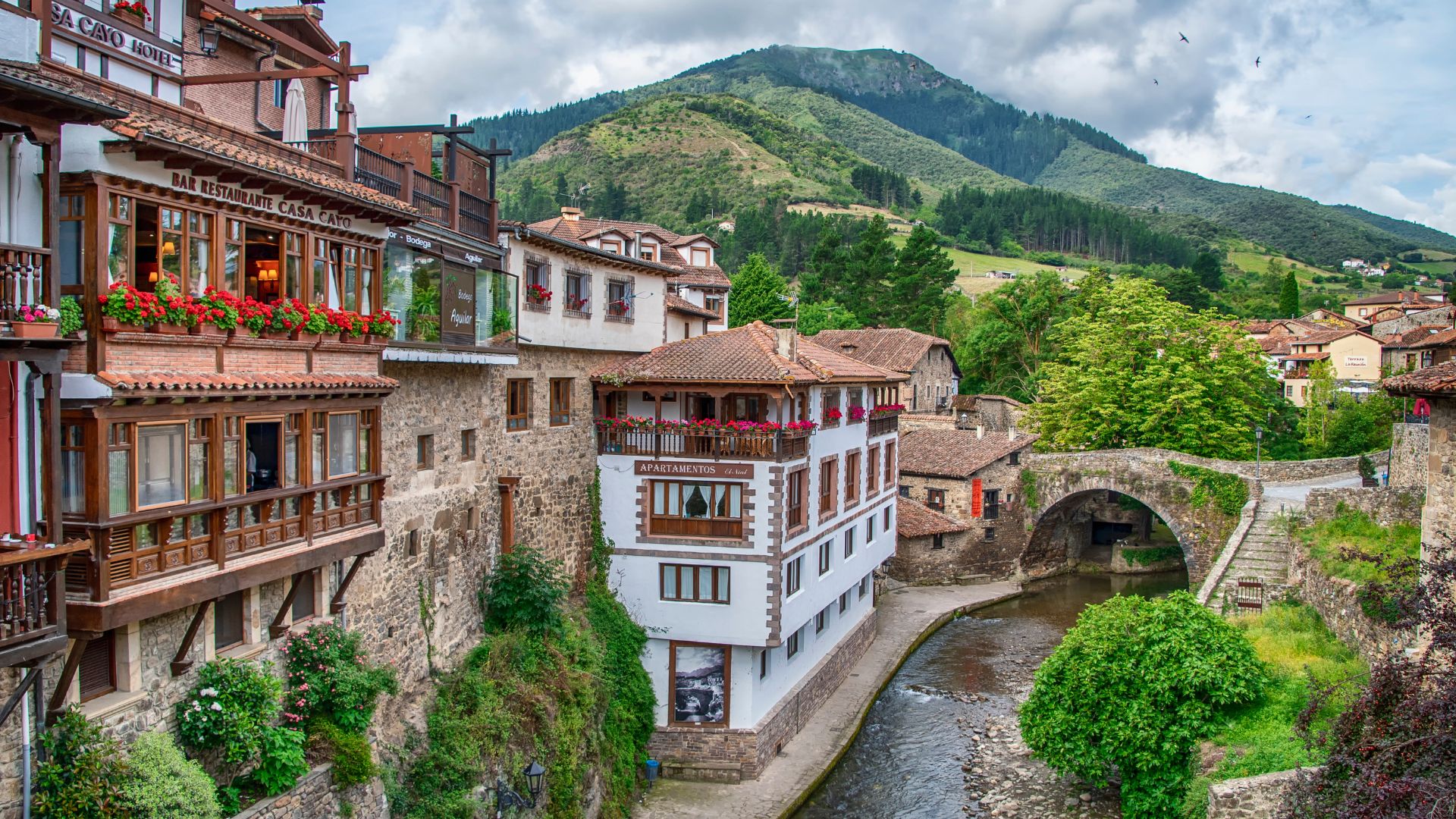
Villages along the Cantabrian coast, like Santoña, Comillas, Santillana del Mar or Bareyo itself, haven't grown up catering only to seasonal tourists. That means restaurants where locals eat alongside visitors, markets that keep running through winter, and a pace of life that doesn't stop or spike depending on the month. It's an authenticity that more and more families value as much as the scenery, and it shows in small details: the baker who knows their customers, the bar where you don't need to book, and a coast that keeps its own rhythm outside of July and August.
What you need to know
- August in Cantabria: 22ºC average high compared to 29-30ºC on the Mediterranean.
- The water on the Cantabrian coast rarely goes above 19-21ºC in summer.
- Less crowding: easier to find beach space, a table and parking in high season.
- A good base for combining beach with nature: Picos de Europa, Camino de Santiago del Norte and charming villages within under an hour.
- The north is now the first choice for summer holidays for 38% of Spaniards, according to 2026 data.
It isn't that the Mediterranean is worse. It's that, for a family looking for space, nature and a few degrees less on the thermometer, the Cantabrian coast is no longer the alternative: it's the option.
In the end, the choice depends on what each family is looking for, but if what you want is beach without the crowds, nature close at hand and a bit of relief from the heat in the middle of August, the north wins this comparison by a clear margin. If this has convinced you and you're looking for somewhere to stay, our guide to where to stay in Cantabria with children covers the best areas depending on what your family needs. Bareyo Residences was designed exactly for this: villas with private pools five minutes from Ajo beach and the area's nature activities, with availability expected from September 2027.