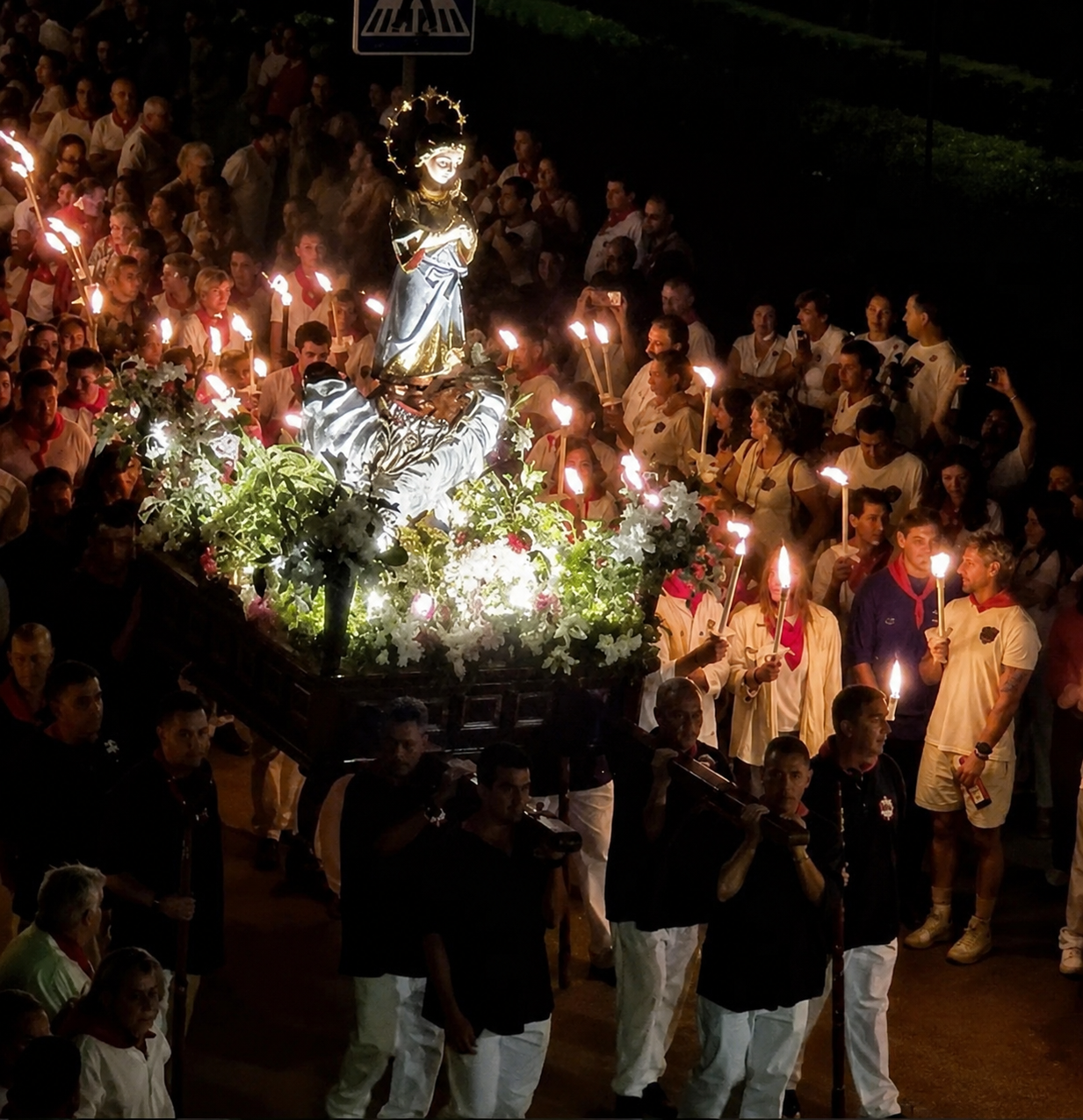
The Santoña Bird Migration Festival 2026 runs from 18 to 20 September in the Santoña, Victoria and Joyel Marshes Natural Park, less than 20 minutes from Bareyo. The programme includes guided walking and boat routes, workshops, a photography contest and a birdwatching marathon, all free with prior registration.
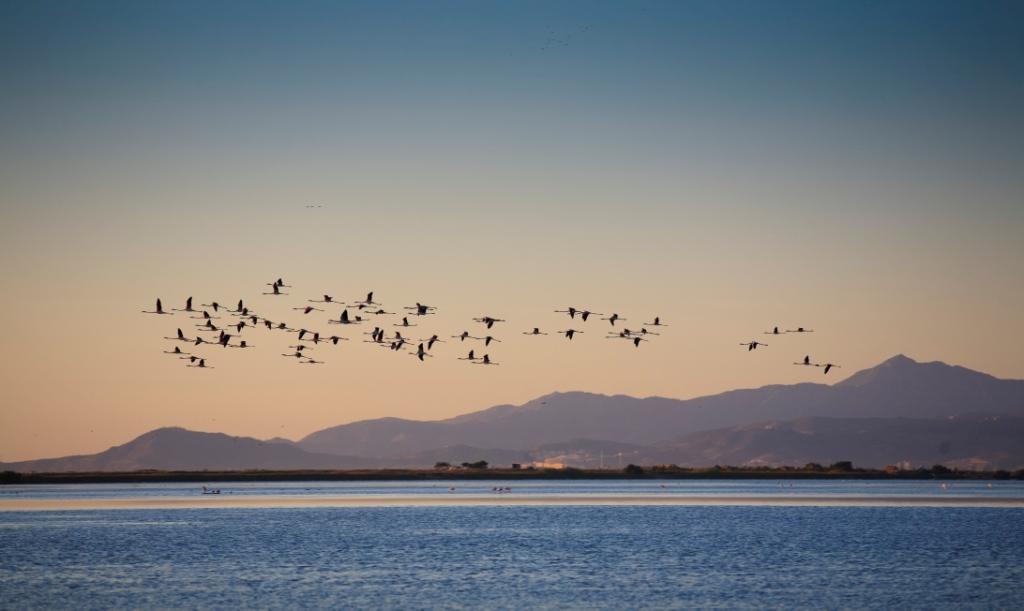
Every September, as summer starts to loosen its grip on the Cantabrian coast, the Santoña marshes fill up with a different kind of traffic than the beach crowds: thousands of birds heading down from northern Europe make their first long stopover here before continuing on to Africa. It's the post-breeding migration, and for more than a decade the area has marked it with a festival open to anyone who turns up, binoculars or not.
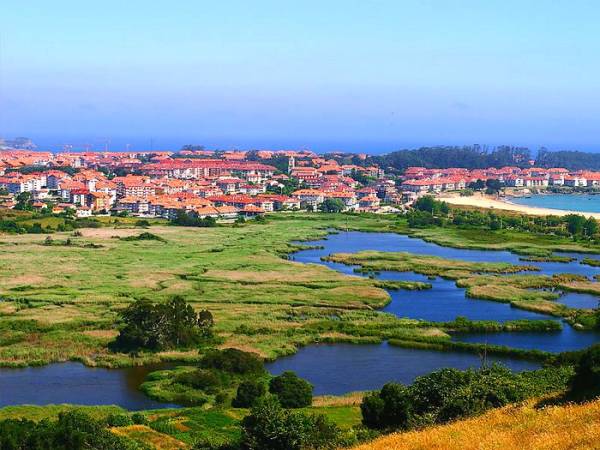
The 2026 edition keeps the format that has made this event grow year after year: activities spread across different points of the natural park, aimed as much at lifelong bird-ringers as at people who've never told a heron from a spoonbill. Coming from Bareyo, the marsh is a short hop away on the AP-8, so the festival works well as a single day out, with no need to rearrange the rest of your stay.
When and where: the festival's dates and venues
The festival runs from 18 to 20 September 2026 across several venues in the Santoña, Victoria and Joyel Marshes Natural Park, which covers 6,678 hectares between the mouth of the Asón river and the Bay of Santoña, according to the events calendar from Turismo de Cantabria. The Visitor Centre, in the El Mirador de las Marismas building at the port of Santoña, serves as the information point throughout the event and opens in September from Tuesday to Sunday, 10:00 to 19:00, with free admission. Most of the guided walking routes and boat trips along the estuary set off from there, usually concentrated in the mid-morning hours, when the tide uncovers the mudflats where the birds feed.
What you can do: guided routes, scientific ringing and live observation
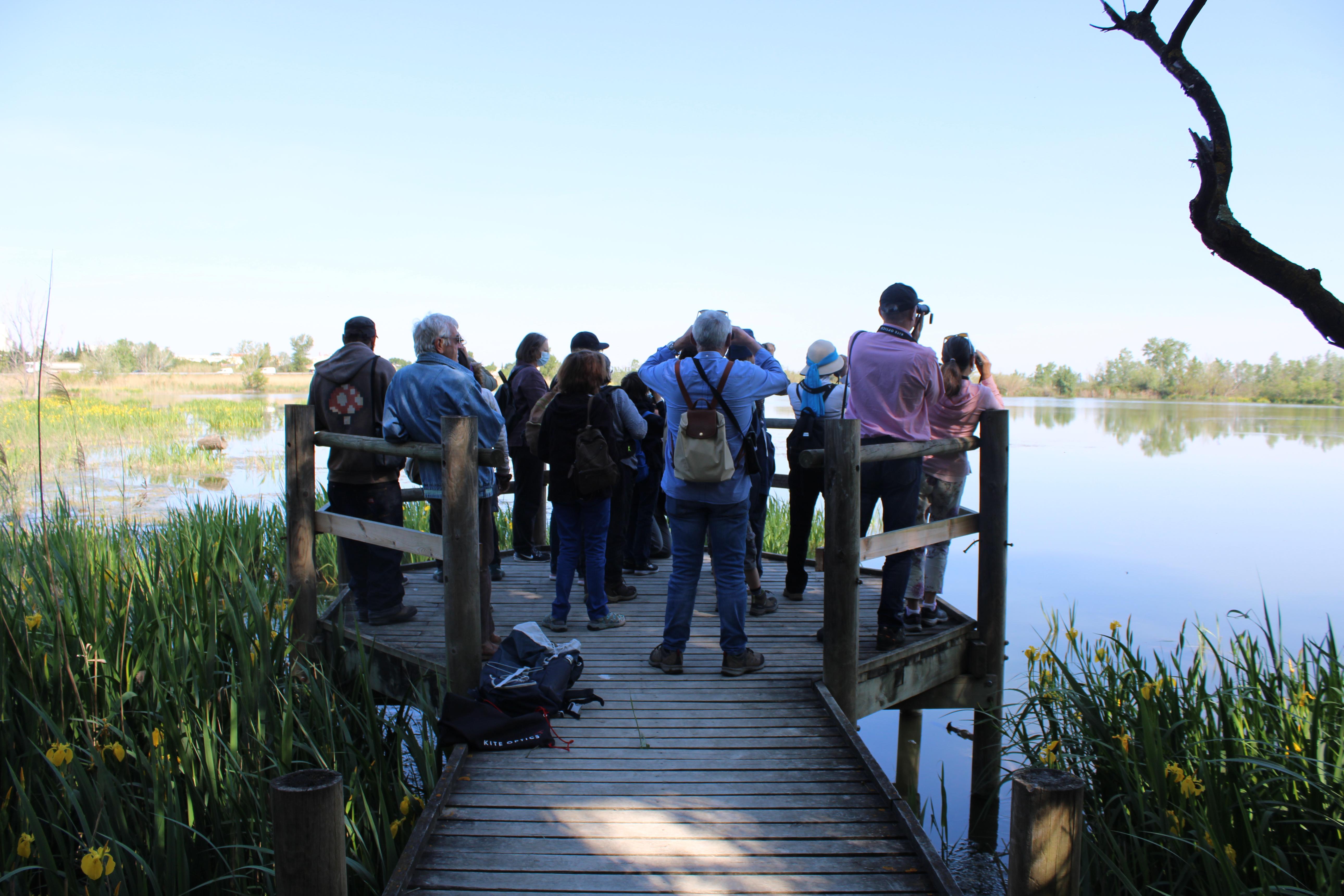
The programme mixes activities for every level. There are guided walking routes to the marsh's main observation points, boat trips to see from the water the mudflats where waders and ducks gather, and a scientific bird-ringing demonstration where a team of ornithologists explains how birds are caught, measured and released to track their migratory routes. Talks and lectures round out the more educational side, with specialists covering which species pass through Cantabria at this time of year — plovers, sandpipers, egrets, spoonbills and the first ducks starting to arrive from the north — and why this particular marsh is one of the most important stopovers on the Cantabrian coast for the post-breeding migration.
Contests and workshops: from the birdwatching marathon to the photography contest
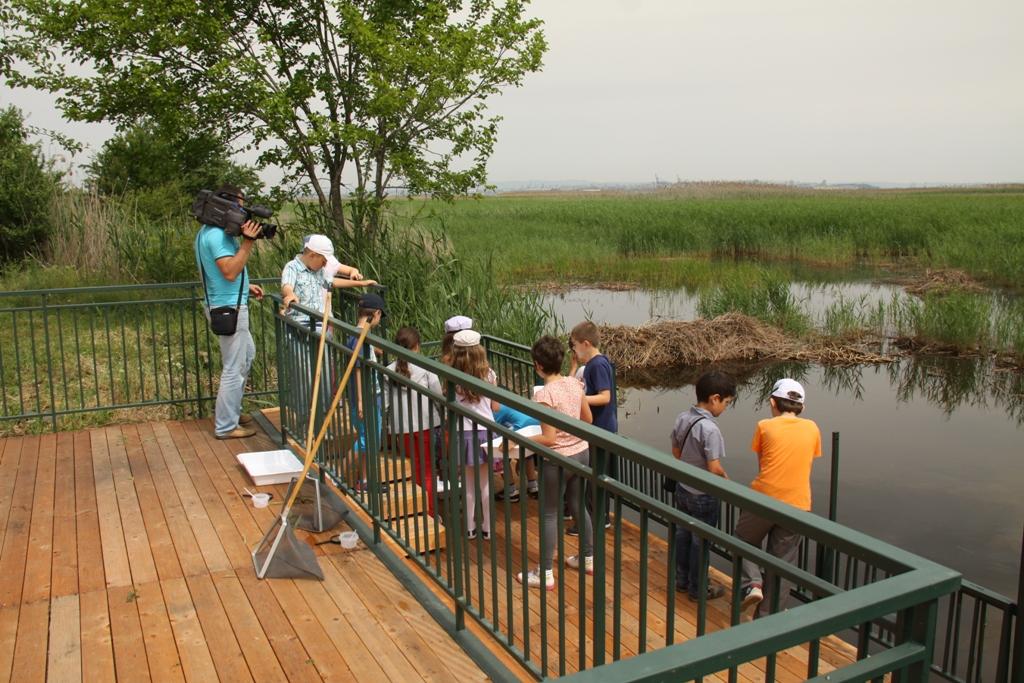
For anyone after a bit of competition, the festival organises a birdwatching marathon — an intensive team census day covering different points of the marsh to count species — and a photography contest open to participants. Younger visitors have their own space with children's workshops designed to introduce them to the marsh's wildlife without needing to know anything about birds beforehand: identification games, bird-themed crafts and, depending on the year, a falconry session. All activities with limited spaces (boat routes, the marathon, the contest) require prior registration by email or through the festival's contact phone number; the rest — talks, fixed observation points, the ringing demonstration — can be joined without booking and with open capacity.
What you need to know
Access to all festival activities is free, although the boat routes, the birdwatching marathon and the photography contest require prior registration by email or on 647 225 234. Bring comfortable footwear and your own binoculars if you have them — they're welcome, though the festival also has equipment to lend at the observation points. September in the marsh can bring low morning fog that lifts by mid-morning, so it's worth not writing off an activity just because the sky looks overcast early on. The most convenient parking for the port venues is around El Puntal, and from Bareyo the drive takes under 20 minutes on the AP-8, which makes it easy to combine the festival with lunch in Santoña itself without losing the rest of the day.
“In September, the Santoña marsh welcomes more different bird species in a single weekend than most of us see in an entire year.”
If you're staying at Bareyo Residences on those dates, the festival is one of those plans that doesn't require rearranging your whole day: a morning at the marsh and in the afternoon you carry on with your plans at the villa at your own pace. For anyone who'd like to go deeper into birdwatching outside the festival dates, we also have our guide on how to watch birds in the Santoña Marshes for the rest of the year. And if September 2026 wasn't enough, we're already taking bookings for September 2027, when the marsh will mark its annual appointment with autumn again.