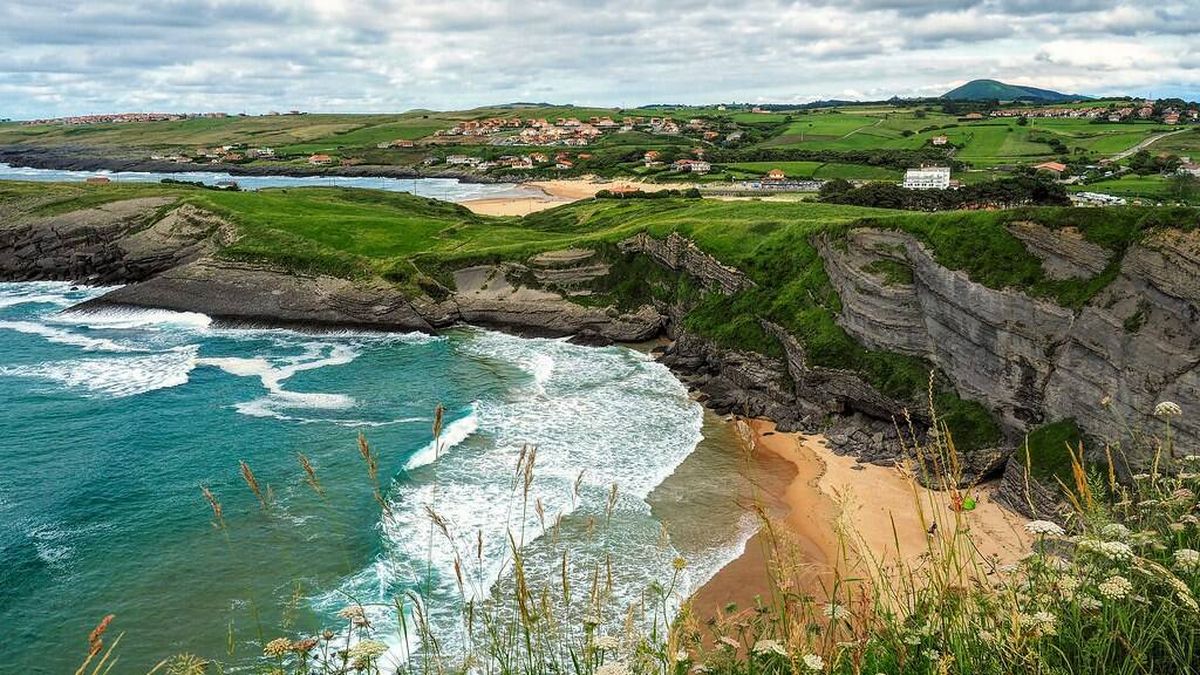
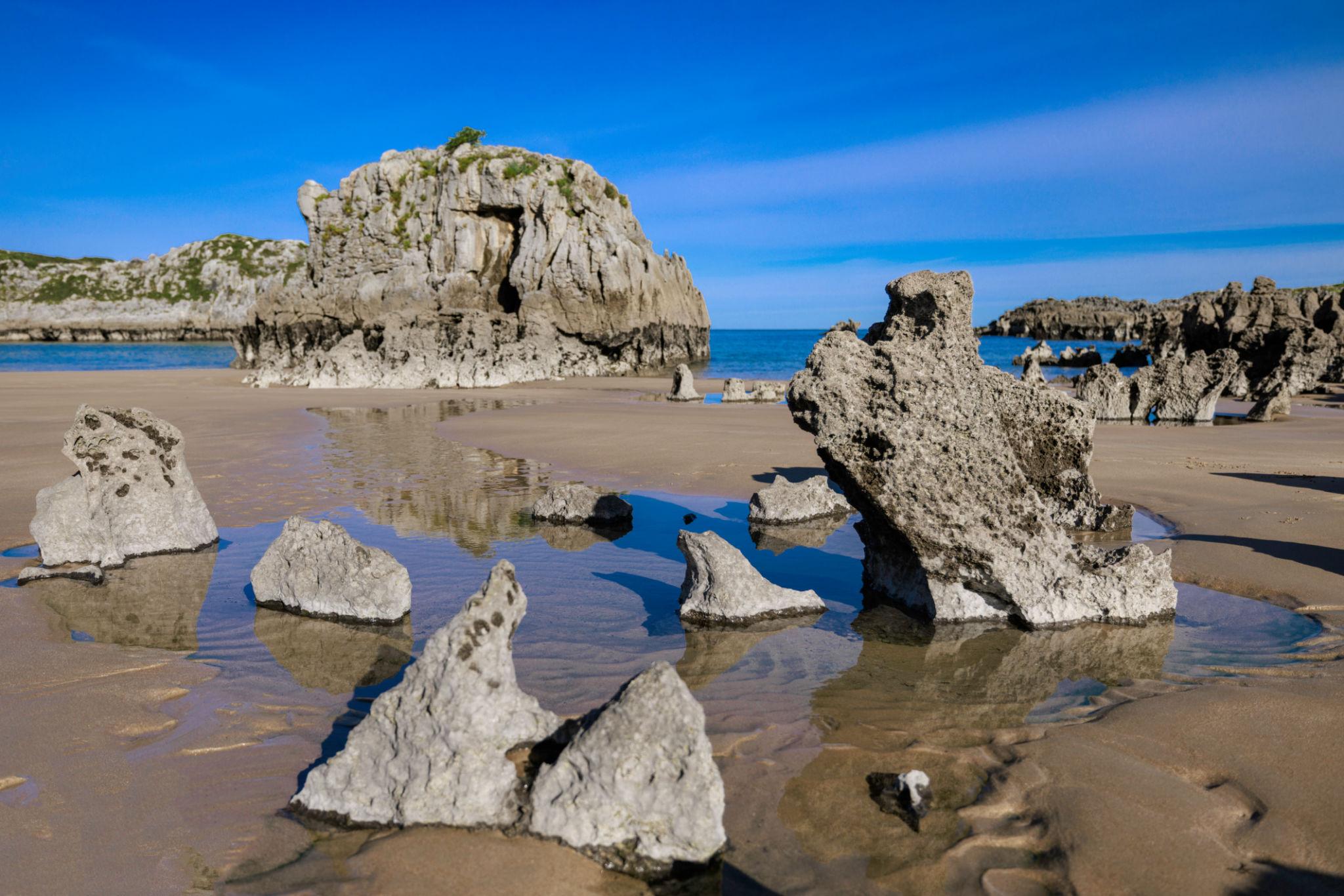
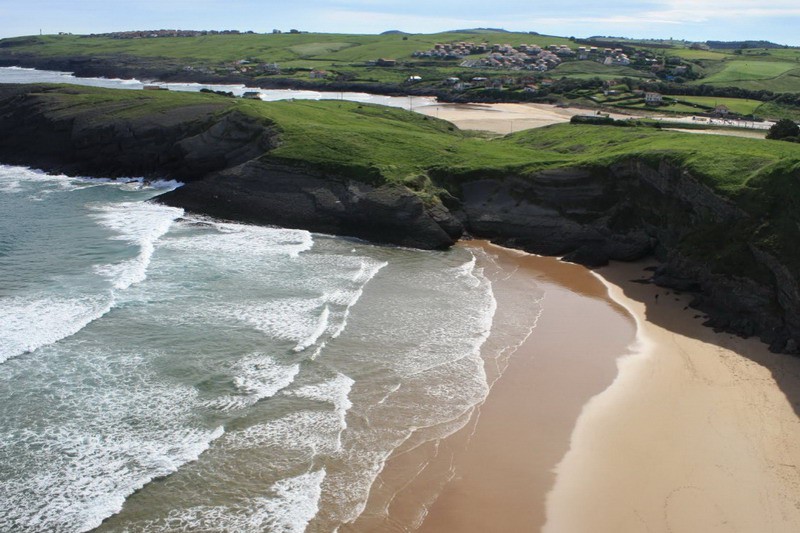
The best spots for snorkelling in Cantabria are the Costa Quebrada (Covachos and La Arnía beaches), Isla de Mouro off Santander, Playa del Brusco in Noja and the Laredo area. The good season runs from June to September, with water temperatures of 17-20°C and the best visibility at low tide on calm sea days.
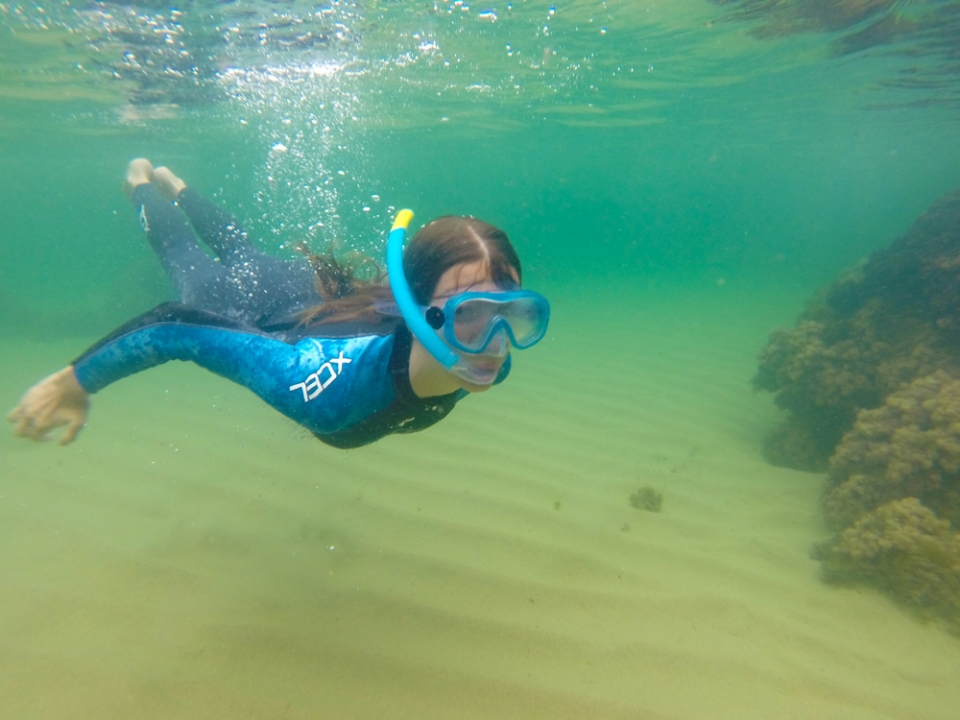
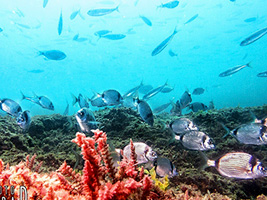
The Cantabrian Sea isn't the Mediterranean: the water is colder, there's more swell, and visibility depends on the day. But anyone willing to put their head under the water with a snorkel and mask finds a seabed that surprises most swimmers who only ever see the surface: seaweed meadows, shoals of bream and seabream, colourful sea urchins and, in protected areas, starfish just a couple of metres down.
Near Bareyo there are several spots to try it without signing up for a diving course: semi-urban beaches with easy access, coves within protected natural areas and, for those who'd rather go with company, a diving centre less than 20 minutes away by car. You don't need much experience to get started, but you do need a thick wetsuit and some patience to find the calm-sea day that makes the difference between spotting two blurry fish and truly enjoying the underwater scenery.
Playa del Brusco and Playa de Ris, in Noja
Less than 20 minutes from Bareyo, Noja is home to two of the most recommended snorkelling spots in the eastern part of the region. Playa del Brusco, below the village church, has rocky seabeds accessible right from the shore, with no need to swim far. Both beaches fall within the influence of the Marismas de Santoña, Victoria y Joyel Natural Park, which explains the amount of marine life preserved on the seabed there. For anyone who'd rather go with a guide or rent equipment instead of bringing their own, the Sirenia diving centre runs snorkelling trips and taster dives within the natural park.
Isla de Mouro, off the Bay of Santander
Isla de Mouro, right at the entrance to the Bay of Santander, is one of the best-documented spots along the Cantabrian coast: more than 40 fish species have been catalogued in its waters. Access is by boat, usually with a guided trip from El Puntal or the port of Santander, and it's often combined with a swim stop by the lighthouse. It's not the closest spot to Bareyo — about 30 minutes by car to the jetty — but the water clarity on calm sea days makes the trip worthwhile.
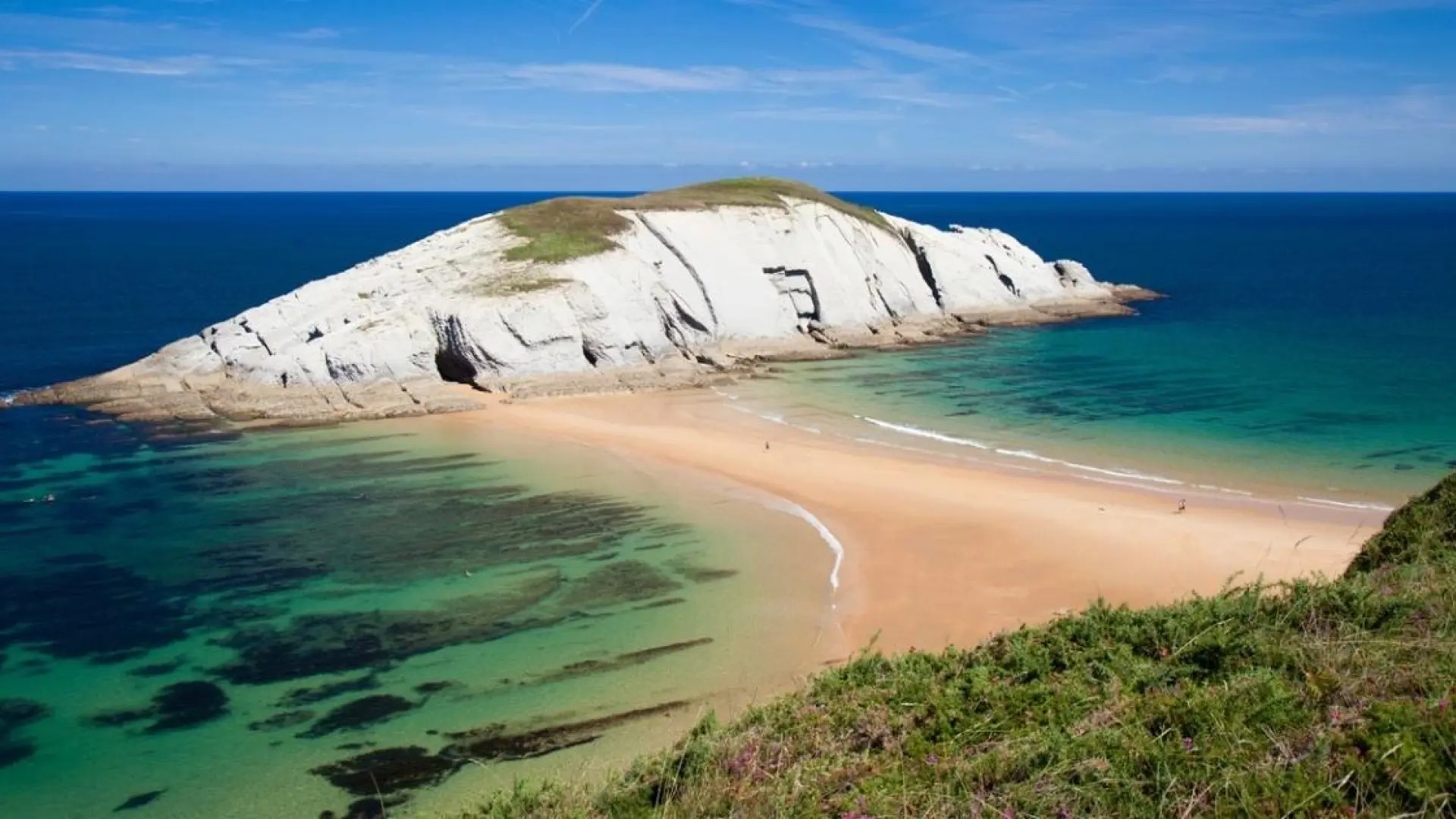
Playa de Covachos, on the Costa Quebrada
The Costa Quebrada, between Liencres and Soto de la Marina, is the stretch of Cantabrian coast with the most striking geology, and Covachos is its most photographed beach: an islet that turns into a peninsula when the tide goes out. Underwater, the mix of rock and sand shelters octopus, crabs and shoals of small fish. It's best to go in and out around low tide, when the path to the islet is exposed and the currents are gentler.
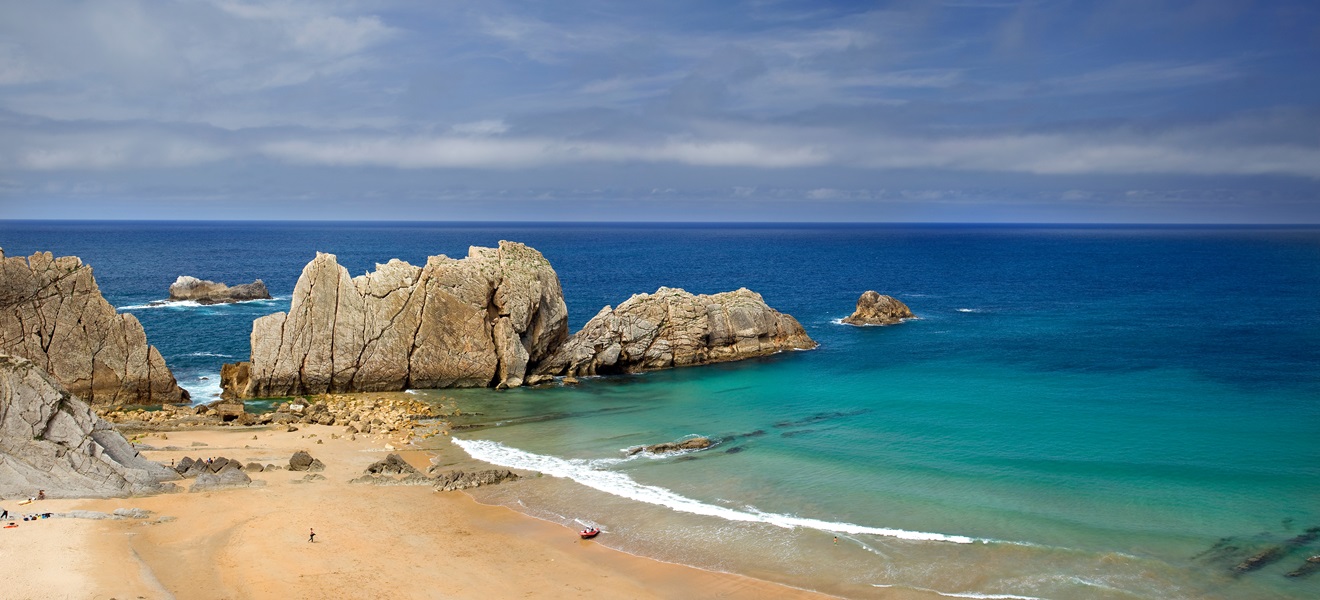
Playa de la Arnía, the jewel of the Costa Quebrada
A few minutes from Covachos, La Arnía is famous for its rock formations and, on calm sea days between June and September, for water that borders on turquoise. The seabed is trickier than at a sandy beach — you need to move carefully among the rocks — but it's also richer in life: sea urchins, anemones and colourful seaweed that you won't find on more sheltered beaches are common here.
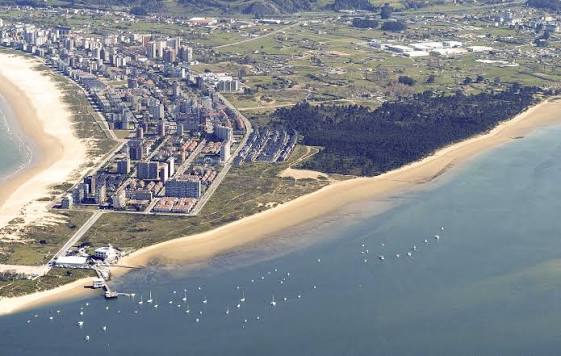
Laredo: where to go snorkelling for the first time
Laredo offers a simpler option for beginners: Playa de Regatón, with golden sand and a semi-urban setting, has a rocky area at one end that you can explore without straying far from the shore. It's a good choice if you're travelling with teenagers or with someone trying snorkelling for the first time, since access is easy and there are beach facilities nearby if you need a break.
What you need to know
The Cantabrian Sea ranges from 13°C in winter to 20°C in August, so a 5-7mm wetsuit is recommended almost all year round, even in high summer if you plan to stay in the water for more than half an hour. Visibility is best between June and September, at low tide and with a calm sea; it's worth checking the tide tables before heading out, especially in rocky areas like Covachos or La Arnía. Spearfishing isn't allowed within the Marismas de Santoña Natural Park, and it's good practice not to touch or collect anything from the seabed anywhere along the coast. If you enjoyed our guide to kayaking and paddleboarding near Bareyo, this route of snorkelling coves is a different way to get into the same water.
The Cantabrian Sea doesn't have Caribbean-level clarity, but under those cold waves there's far more life than you'd guess from the sand.
Villa Camino and Villa Monte are a short drive from almost all of these spots, which turns a morning of snorkelling into a spontaneous plan rather than an excursion you need to plan ahead. The villas at Bareyo Residences will open their doors in September 2027, with the Costa Quebrada, Noja and the Bay of Santander just as close as they are today.