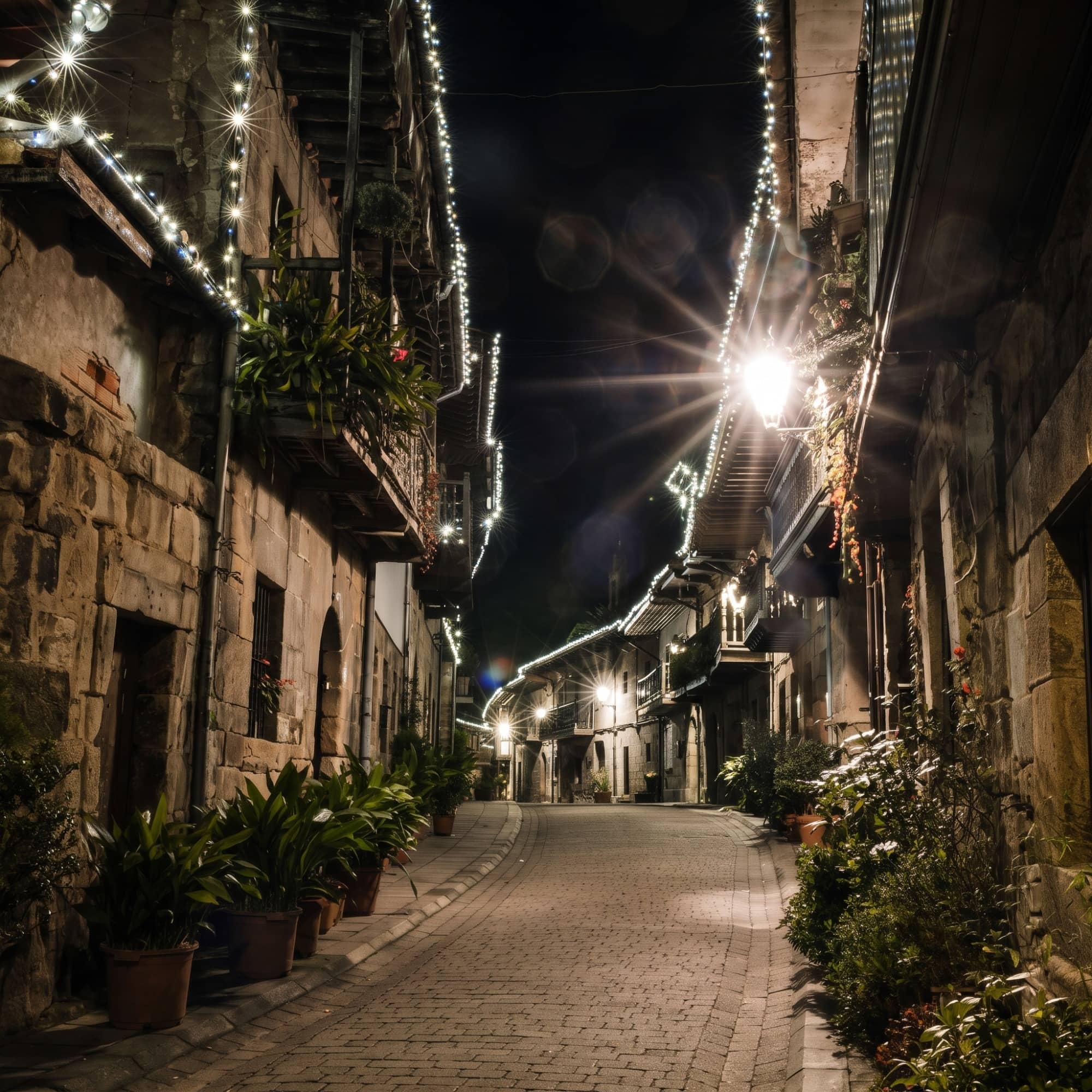
La Vijanera de Silió is a winter masquerade held on the first Sunday of January in Silió, in the Cantabrian municipality of Molledo. In 2027 it falls on Sunday 3 January. It is a Festival of National Tourist Interest and brings together more than 150 performers and about 80 characters. From Bareyo, it's a little over an hour by car.
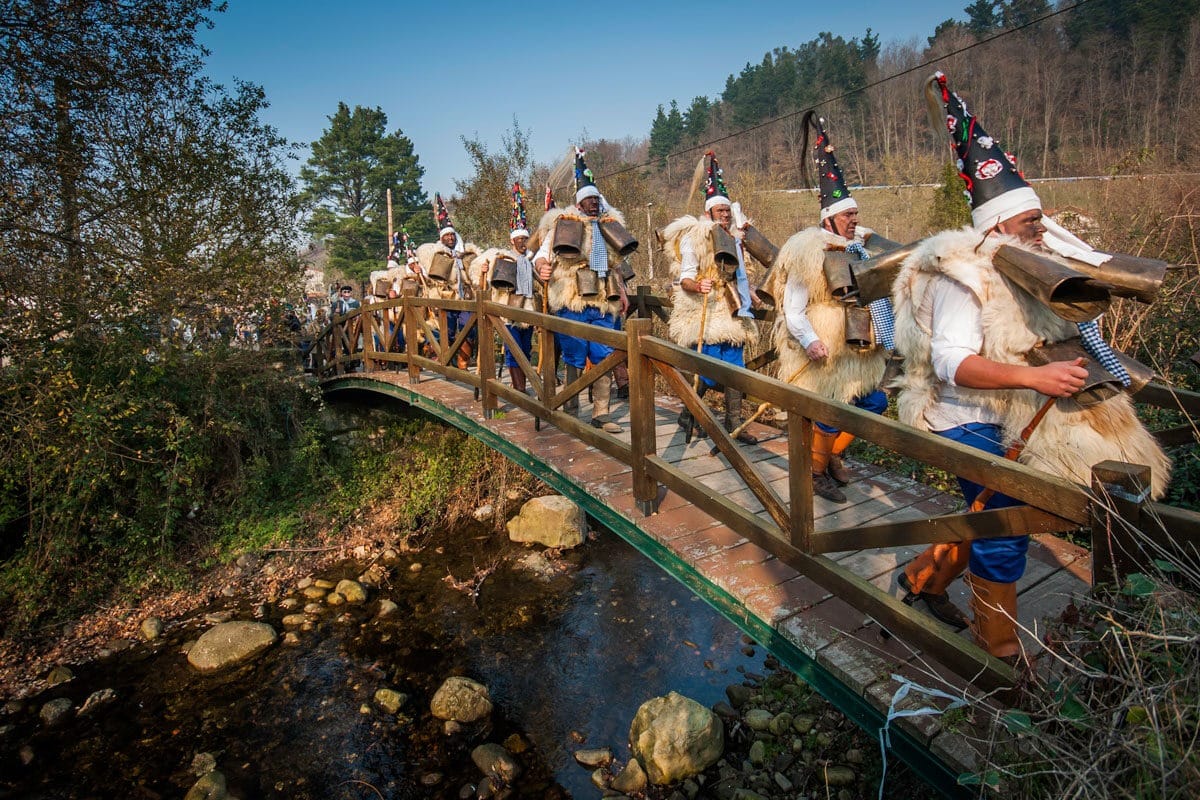
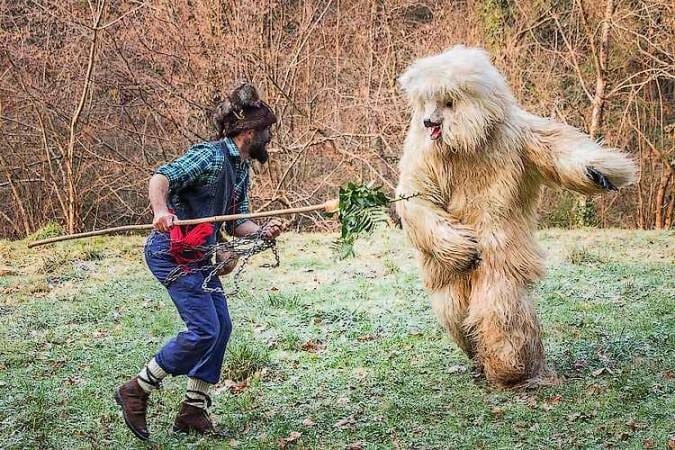
Zarramacos with cowbells on their backs, a bear with his keeper, the madama: the Vijanera is one of those festivals that is hard to explain and better seen. It takes place in Silió, a small village in the Besaya valley, and mixes humour, noise and a ritual the villagers have kept going for generations.
For anyone staying in Bareyo it's a full-day excursion worth planning. This guide explains what is celebrated, who is who, how to get there and what to know. 3 January 2027 is the first Sunday of the year, as listed in the Spain.info calendar, but times and route are published closer to the date. If you're putting the trip together, our guide to Cantabria in January covers weather, prices and other winter plans.
Origin and meaning of the Vijanera de Silió
The Vijanera is described as a winter transition ritual: the farewell to the old year and the arrival of the new, with a symbolic fight between good and evil. Its origin is considered ancestral, although concrete facts about its beginnings are scarce and mix with oral tradition. Today it is kept alive by the Asociación Cultural Amigos de la Vijanera, with the villagers as protagonists, and it is recognised as a Festival of National Tourist Interest. That mix of ancient rite and neighbours' festival is what sets it apart from a conventional carnival: here each character has a role within the scene and the stars are the villagers.
Characters: zarramacos, bear, madama and traperos
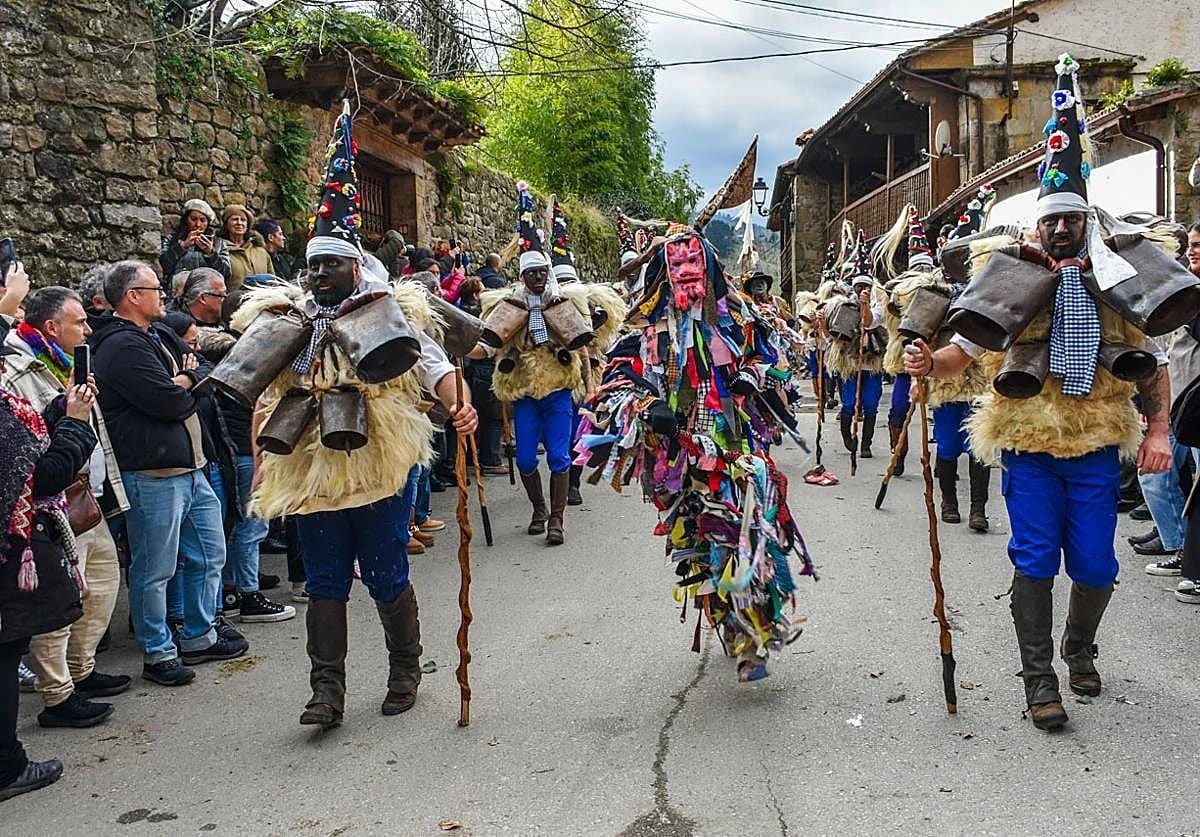
The most recognisable are the zarramacos, villagers covered in skins and hung with cowbells who open the procession to the sound of the bells. They are joined by the bear and his keeper, the madama, the pasiego, the gentleman, the traperos, La Pepa, the doctor and the tamer, among others: about 80 characters in all, according to the festival's information. Many have a humorous tone, of popular mockery, which contrasts with the solemnity of the ritual.
Programme and route of the festival
The festival unfolds throughout Sunday in the village streets, with a parade of characters and scenes at different points in Silió. The detailed programme, with times and events, is published by the organisers close to the date (2027 programme to be confirmed). In recent editions there was a children's Vijanera on the Saturday before; it's worth checking whether it is repeated. Think of the day as an unhurried visit, not a show with a start and end time: the best moments usually happen when the procession goes through the streets and stops to perform its scenes, with the audience pressed against the façades. If you want to understand what you're seeing, it's worth asking the villagers: almost all of them know the meaning of each character and are happy to explain it.
How to get there from Bareyo and where to park
From Bareyo, the usual route is the A-8 towards Torrelavega and then the A-67 towards the Besaya valley and Molledo: about 80-90 km and a little over an hour without traffic, although on the day of the festival it's best to leave early. Silió is small and parking fills up early: follow the organisers' instructions and expect a walk. Check the day's route in your navigator in case of road closures.
Where to eat and what to try
In such a small village the offer is limited and fills up on the day of the festival. The usual thing is to eat in neighbouring Besaya towns such as Molledo or Los Corrales de Buelna, or to bring a reserved table. It's the season for spoon-dish cooking, and to choose well you have our guide to where to eat the best cocido montañés in Cantabria. Call ahead: many places close for holidays in January.
Practical tips for watching the Vijanera
Bring a coat and a waterproof jacket: in the Besaya valley January is cold and damp. The noise is part of the festival, with cowbells, music and rockets that can frighten small children and pets. Respect the performers and avoid blocking their way; people stand at the sides of streets and squares. For photos, arrive early and find a spot on a corner of the main streets.
Good to know
Date: Sunday 3 January 2027 (first Sunday of the year). Place: Silió, municipality of Molledo, about 80-90 km from Bareyo. Programme: to be confirmed with the organisers and the town council; more information at Turismo de Cantabria. Parking: limited, arrive early. Weather: cold and damp, bring a coat. Food: book or eat in neighbouring towns.
«In Silió, winter says goodbye with a proper racket of cowbells.»
Going up to Silió in January means seeing a Cantabria that doesn't appear in the beach guides. After the festival, going back down to the Trasmiera coast, with Bareyo Residences as your base, helps turn the noise down and pick up the quiet winter rhythm again.