The Santoña Carnival, the most important in Cantabria, takes up most of February and is a Festival of National Tourist Interest. In 2027 Shrove Tuesday falls on 9 February (programme dates to be confirmed). It's about a 25-minute drive from Bareyo, and the Entierro del Besugo (Burial of the Sea Bream) closes the festival.
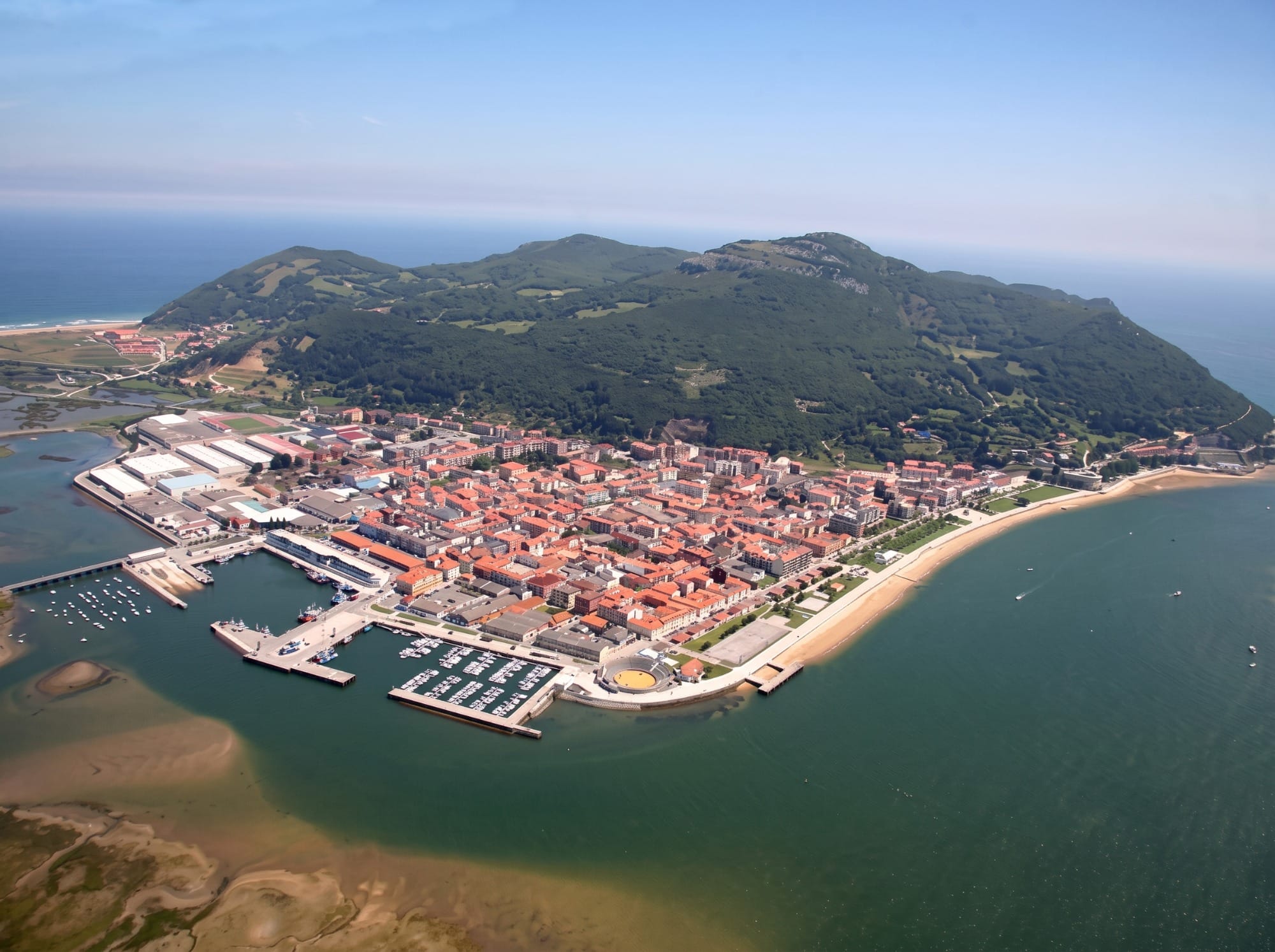
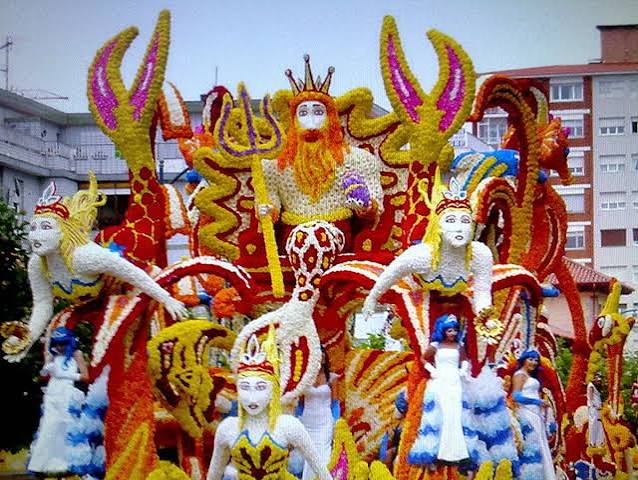
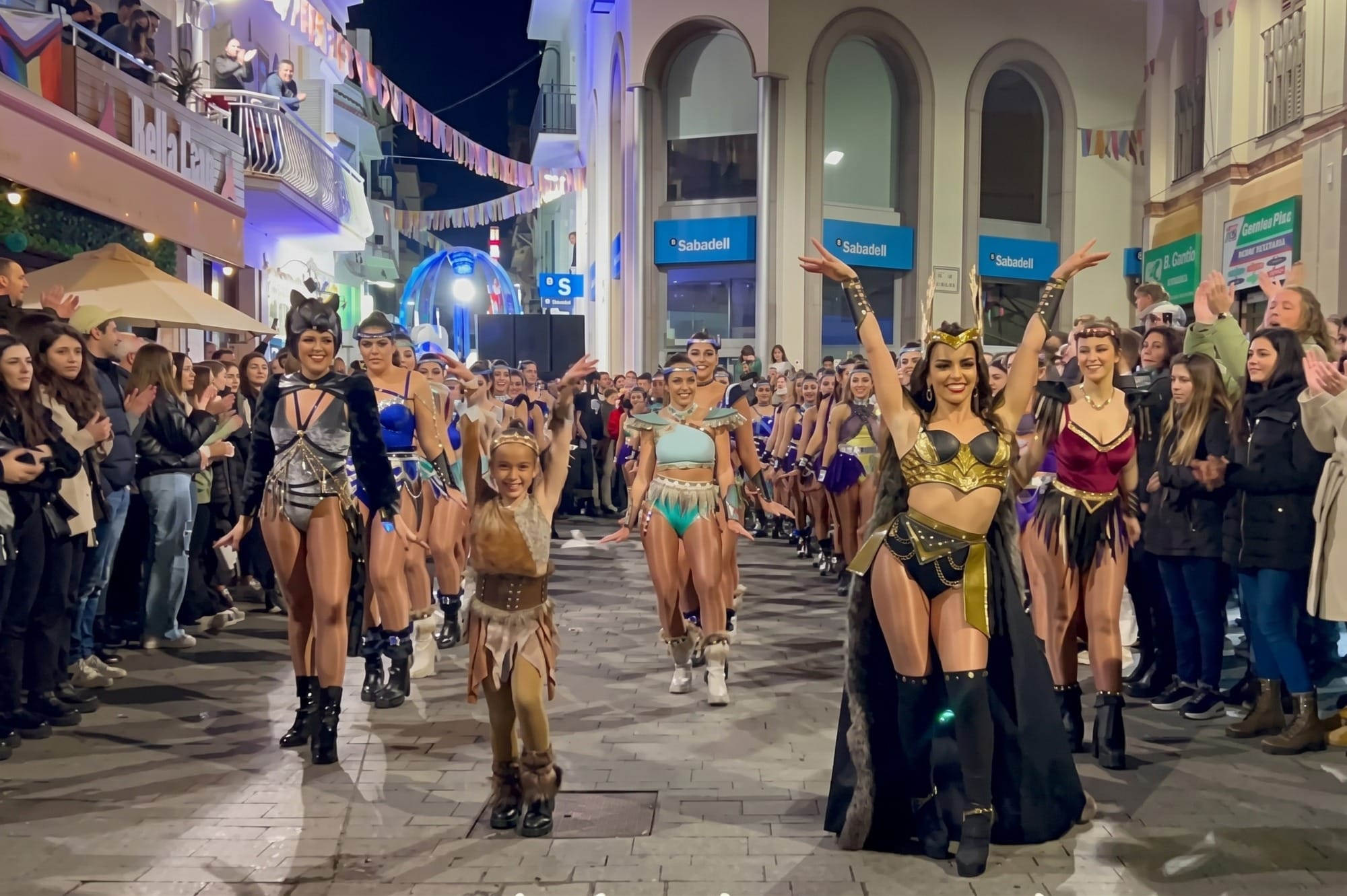
Costumes of fishermen, mermaids and fish filling the streets of a seafaring town: that's what Carnival in Cantabria looks like when it's done right. Santoña has made it its trademark, with a character of its own that mixes murgas (satirical singing groups), parades and a theatrical staging that surprises anyone who doesn't know it.
For guests staying in Bareyo it's a short outing, for an afternoon or a whole day, that fits right into midwinter. This guide explains what is celebrated, when it falls in 2027, how to get there and what to know before you go. If you're planning your trip, our guide to Cantabria in February covers the weather and other plans for the month.
Carnival in Cantabria: what is celebrated and when
Although many towns in the region hold carnivals, Santoña's is the biggest and one of the few with the Festival of National Tourist Interest designation, which the Ministry of Industry and Tourism granted it in 2025. It is known as the “Carnival of the North”. The date depends on Easter: in 2027 Easter falls on 28 March, so Shrove Tuesday is 9 February and Ash Wednesday the 10th. The programme for the 2027 edition has not been published yet (dates to be confirmed); for reference, in the 2026 edition the festival ran from 30 January to 28 February.
Origins and meaning of the Santoña Carnival
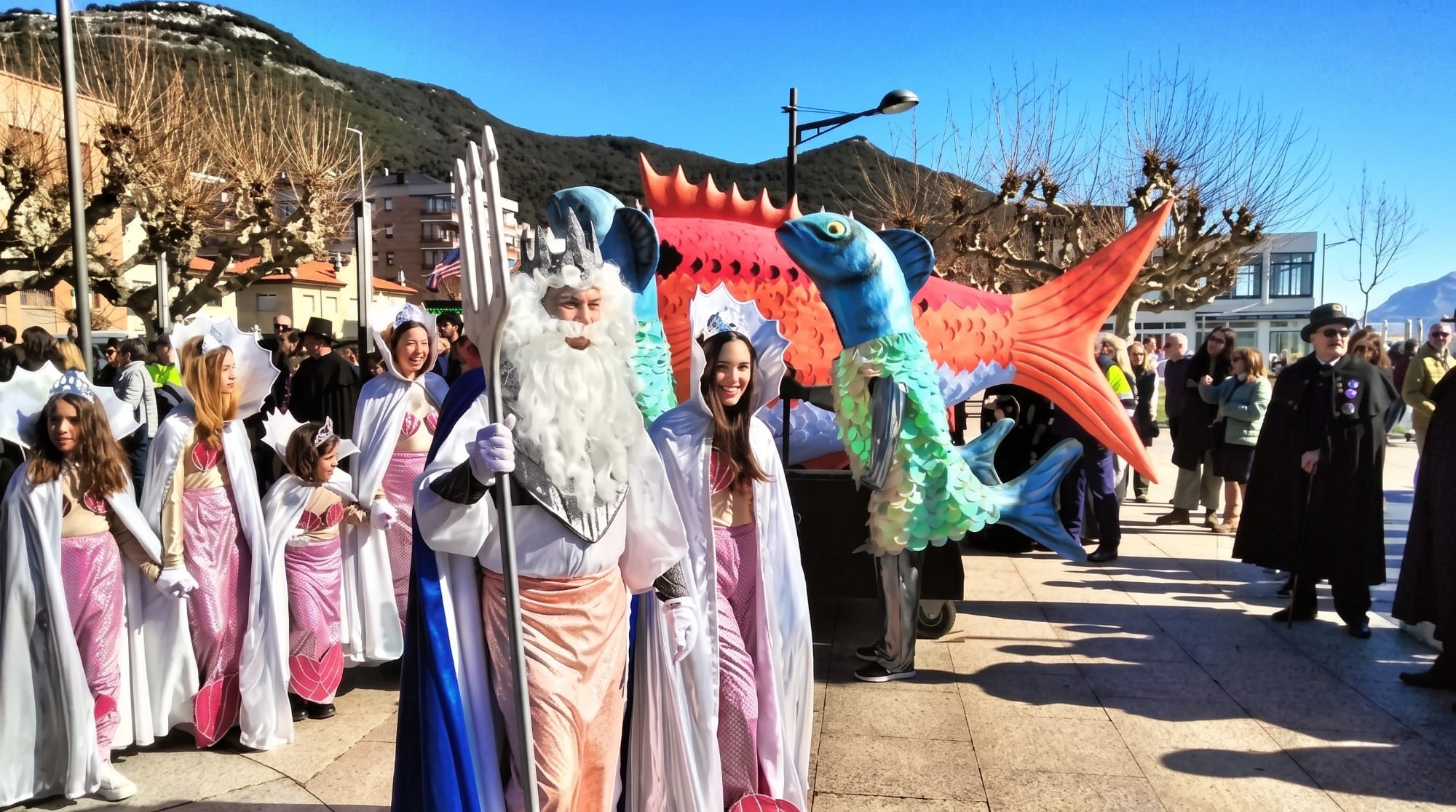
It is a seafaring carnival. Santoña has lived off fishing and anchovy canning for centuries, and the festival takes the sea as its common thread: the costumes, the floats and the very storyline of the festival revolve around fish, fishermen and mermaids. Saying goodbye to winter and to excess before Lent is the common ground of any carnival; what is distinctive here is that it is told in the vocabulary of the sea.
Programme and key moments
The calendar changes every year, but the structure repeats. First, the weeks of murga and comparsa competitions, with a final in the theatre. Then the children's day and the Gran Desfile (Grand Parade), the busiest Saturday, with floats and groups from other parts of Cantabria. And to close, the Juicio en el Fondo del Mar (Trial at the Bottom of the Sea), a theatrical performance in which sea creatures put a sea bream on trial for having abducted a mermaid, and the Entierro del Besugo, with the condemned fish burned in front of the crowd. In 2026 the Entierro was on 21 February and the Día Aldeano on the 28th. For 2027, wait for Santoña Town Council to publish the programme before finalising plans.
Getting there from Bareyo and where to park
From Bareyo, Santoña is about 25 minutes by car along the coast road, passing through Noja. On parade days the centre is closed to traffic and parking fills up early: the most practical option is to leave the car in the designated areas on the outskirts or near the port and walk in. Arriving at least an hour before the parade avoids most of the hassle. This isn't a festival to drive right up to the door.
Where to eat and what to try
Santoña is the anchovy capital of the Cantabrian coast, and any carnival here comes with them, along with seasonal fish and harbour-bar portions. On festival days the venues fill up and it's wise to book a table in advance if you want to eat seated. If you'd rather avoid queues, eat early or do so in the neighbouring towns of Trasmiera before heading over to watch the parade.
Practical tips for enjoying the Carnival
Bring warm clothes and a waterproof: February on the Cantabrian coast is damp and you can feel the wind off the harbour. If you're going with children, the children's day is calmer than the main parade. Dressing up is the norm and nobody will look at you oddly; you don't need an elaborate costume. Bring cash for bars and stalls, and comfortable shoes, because there's a lot of walking between closed-off streets.
What you need to know
Date: Shrove Tuesday on 9 February 2027; 2027 edition programme to be confirmed. Place: Santoña, about 25 minutes from Bareyo. Designation: Festival of National Tourist Interest. Tickets: the streets are free to enter; some murga finals are held in covered venues. Parking: limited, arrive early and walk in. More information from Santoña Town Council and at Spain.info.
«In Santoña, even the sea bream gets a trial.»
A carnival like this is best enjoyed without rushing and without a drive home at midnight. Going back to the Ajo estuary and the calm of Trasmiera, with Bareyo Residences as your base, is the way to end a day of noise and costumes with the tranquillity that the Cantabrian winter can also offer.